Hello my friends. I’m back with another report on my progress across the globe with my sweet and wonderful Adrienne. You may remember how last time I told you were embarking on a voyage by land, sea and air across nearly 15 countries and three different continents. Well, we’ve now made it to the first stop, New Zealand, and here’s a little taste of how the trip went and what we’ve experienced so far.
Like I mentioned previously, we left the States for Auckland, New Zealand, by way of Vancouver. The trip from Canada’s third-largest city to NZ’s first was scheduled to take nearly 15 hours, which represented a daunting prospect for two wizened oldies whose preferred mode of travel involves our feet and whose preferred length of travel is from our cozy living room to our well-stocked pantry.
Luckily, we had a secret weapon in our back pockets: lay flat seats. Prior to this journey, the best I had ever managed in terms of airplane seating was economy plus, and that was when work was ponying up the moolah. Walking into the plane armed with a business class ticket this time around felt like I had won the lottery. The first thing you notice is the (relatively) incredible amount of space you get. Your seat actually allows you to stretch out your leg and isn’t an inhumane torture device. Then there are other frills. The entertainment screen is far larger. You also get a pair of slippers for your tootsies, high-quality earphones and even an amenities bag.
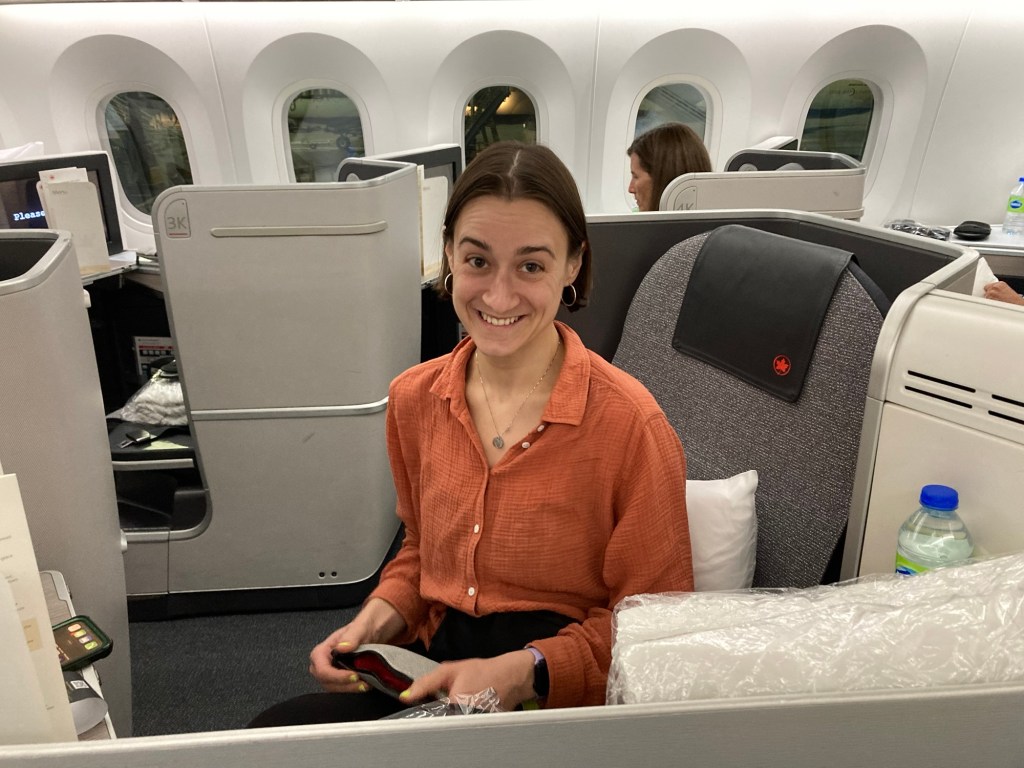
Now let’s chat about the menu. During 99% of my previous flights, I’ve felt like a hog getting slopped at a trough. But this time was different. Basically, there was every type of drink you might want, a variety of meals to choose between and, allegedly, snacks available at any time day or night. Of course, being a vegetarian, snafus still occurred. While during dinner service Adrienne and I received the quite decent veggie lasagna option on the menu, the breakfast service left something to be desired. There were some very fine-looking and very vegetarian pancakes on the menu already, but the good people of Air Canada felt the need to innovate because I had selected “vegetarian” while checking into the flight. Out comes a special meal that was basically a watery veggies and truly frightening egg substitute combo.
Bad meals aside, our lay flats paid off. Arriving in New Zealand on March 10, I felt strange. Normally after an international flight, the next day is a time of great adversity. I feel sick and woozy, drifting in and out of the liminal, twilight space between sleep and waking life. This time around, though, was different. I still felt bad, of course, but not that much worse than I do every day of my life as a man in his late-30s.
Anyway, once we scooped up our satchels, it was time to hit customs. Prior to embarking on this odyssey, we had heard stories of how arduous and exacting the New Zealand customs process is. The beauty of these islands is only equaled in their fragility. To their credit, the New Zealanders have acted accordingly to protect their amazing natural resources and prevent outsiders from disrupting it by bringing in fruit or meat or other weird stuff. Luckily, neither Adrienne nor I are a complete idiot, although I can come close sometimes. We got through the process fairly quickly and were soon on our way.
Or at least I thought we were. There was one more surprise on the way out. While winding through another stanchioned-flanked passageway, a uniformed cop asked us to put a small plastic baggie in our luggage. Without missing a beat, Adrienne cheerfully responded “No.” Adrienne told me later that she thought the cop was trying to test us. Anyone who has been in an airport before knows you often hear announcements about controlling your luggage and never accepting anything from anyone while in transit. Thankfully, the cop was asking us because she was training one of the airport’s biosecurity dogs. The dog in question ended up passing the test with flying colors. It was an adorable little black lab mix, and its ferocious olfactory senses immediately clocked the parcel tucked in our bag. “That’s a good dog!” I couldn’t help but excitedly blather, slack jawed with amazement as the pup snuffled our luggage. The cop holding the dog’s leash said absolutely nothing in response, and so I moved on.
Once outside the airport, we grabbed a cab and were soon on our way to the city. 30-40 minutes and many New Zealand dollars later we were finally smack-dab in the heart of New Zealand’s largest city. Founded in 1840 by Governor William Hobson due to its strategic ports and waterways, Auckland grew by fits and starts over the next few decades, eventually ballooning into the bustling metropolis we know it as today. Of course, the area was actually inhabited by the Māori people nearly 500 years before the arrival of the Europeans, a tale we know all too well in America.
Standing in downtown Auckland after our cab ride, it was hard to believe that it had ever been a land occupied solely by Māori settlers. The city today, at least the city center, is filled with soaring skyscrapers of glass and steel, insanely wide streets and tons of signs promoting recognizable brands. It felt very much like an extension of the west, plopped down in Polynesia. As my lovely Adrienne pointed out, the city has made an admirable attempt to at least make the Māori language visible across public spaces. It can be seen on public signage, streets, schools, media and other areas. Based on my limited understanding, this effort is to try to make up for how deeply damaged and marginalized the language and culture has become due to European colonization. This theme of disintegration and renewal would come to define the next few days. But more on that later.
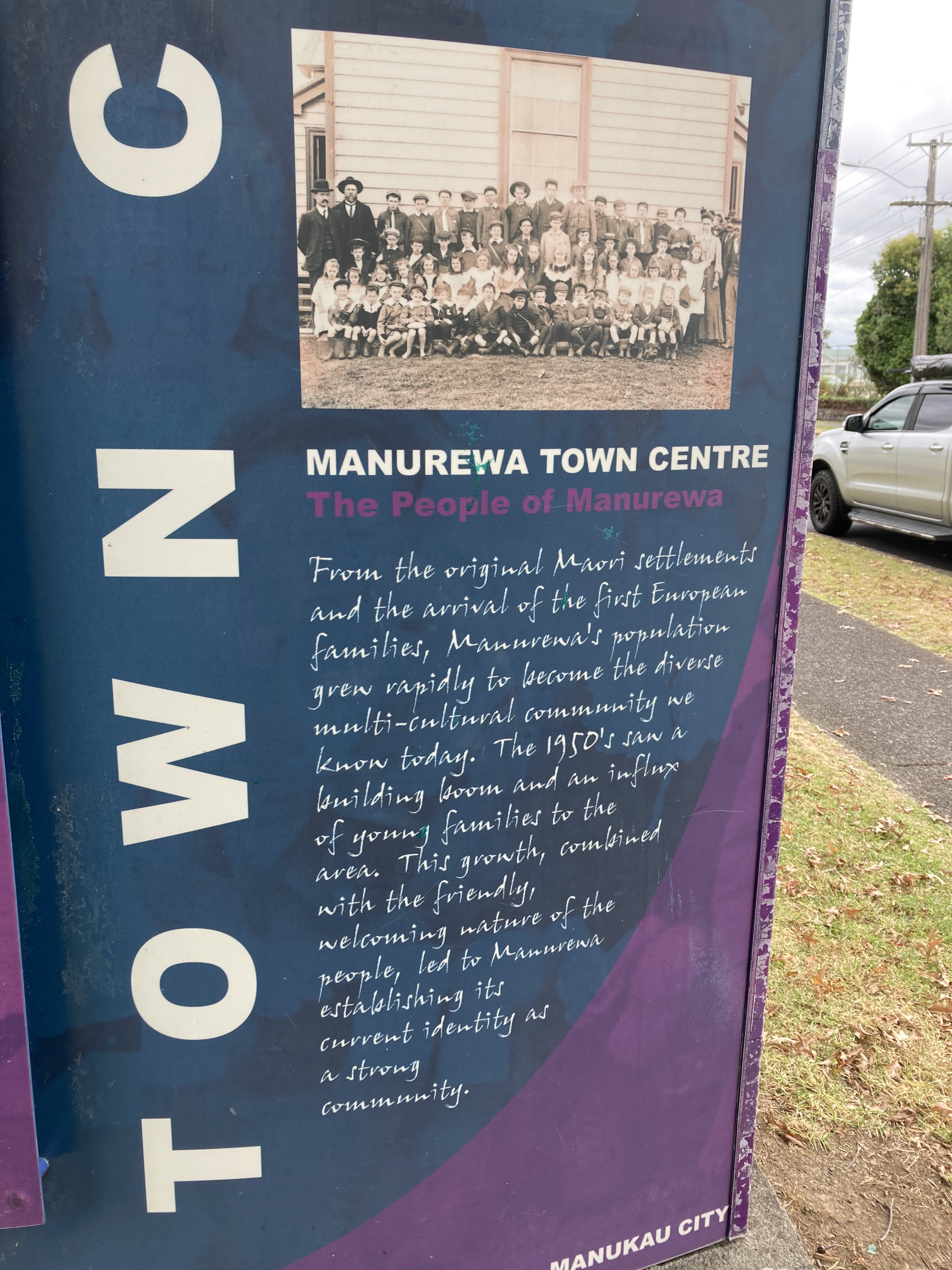
The next day, Adrienne and I got a semi-early start and took off for our first day of sight-seeing. We both have a deep affection for Como Conservatory in St. Paul and wanted to ensure we didn’t miss seeing Auckland’s Botanic Gardens. As it turns out, the name is a bit of a misnomer, as the gardens are not located in the city itself but in Manurewa, a small suburb nestled southwest of the city and accessible by rail. To get there, we took a southbound train through a heavily industrialized corridor. In a daze, we watched as gritty, corroded factories, tanks, train yards and warehouses whizzed by our window. After all that, it felt like whiplash when we finally reached the verdant oasis of the gardens. Spread out across 150 stunning acres of land and featuring over 10,000 plants, the Auckland Botanical Gardens are truly a sight to behold. I was not shocked at all to learn that it receives over 1,000,000 visitors per year.
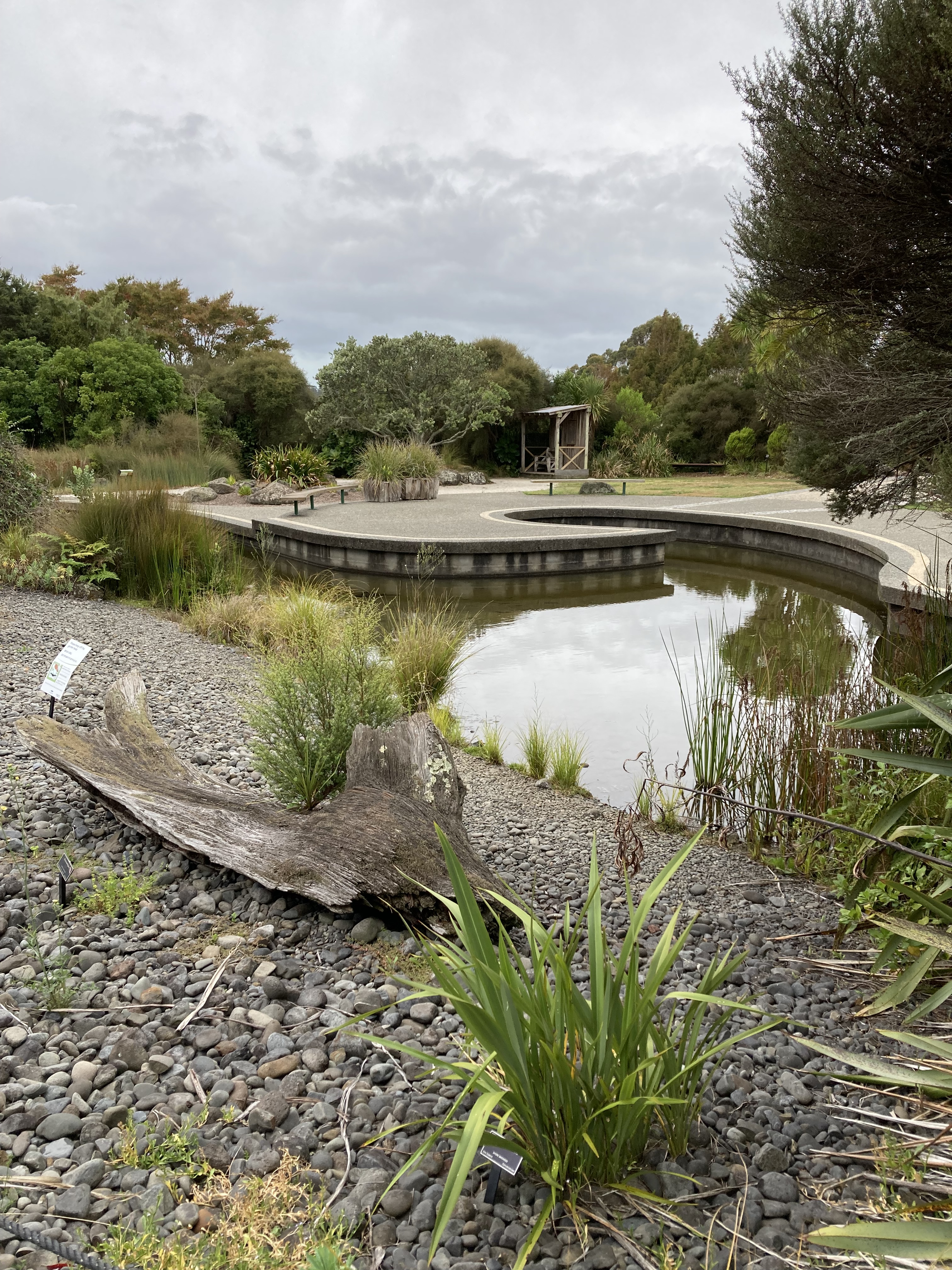
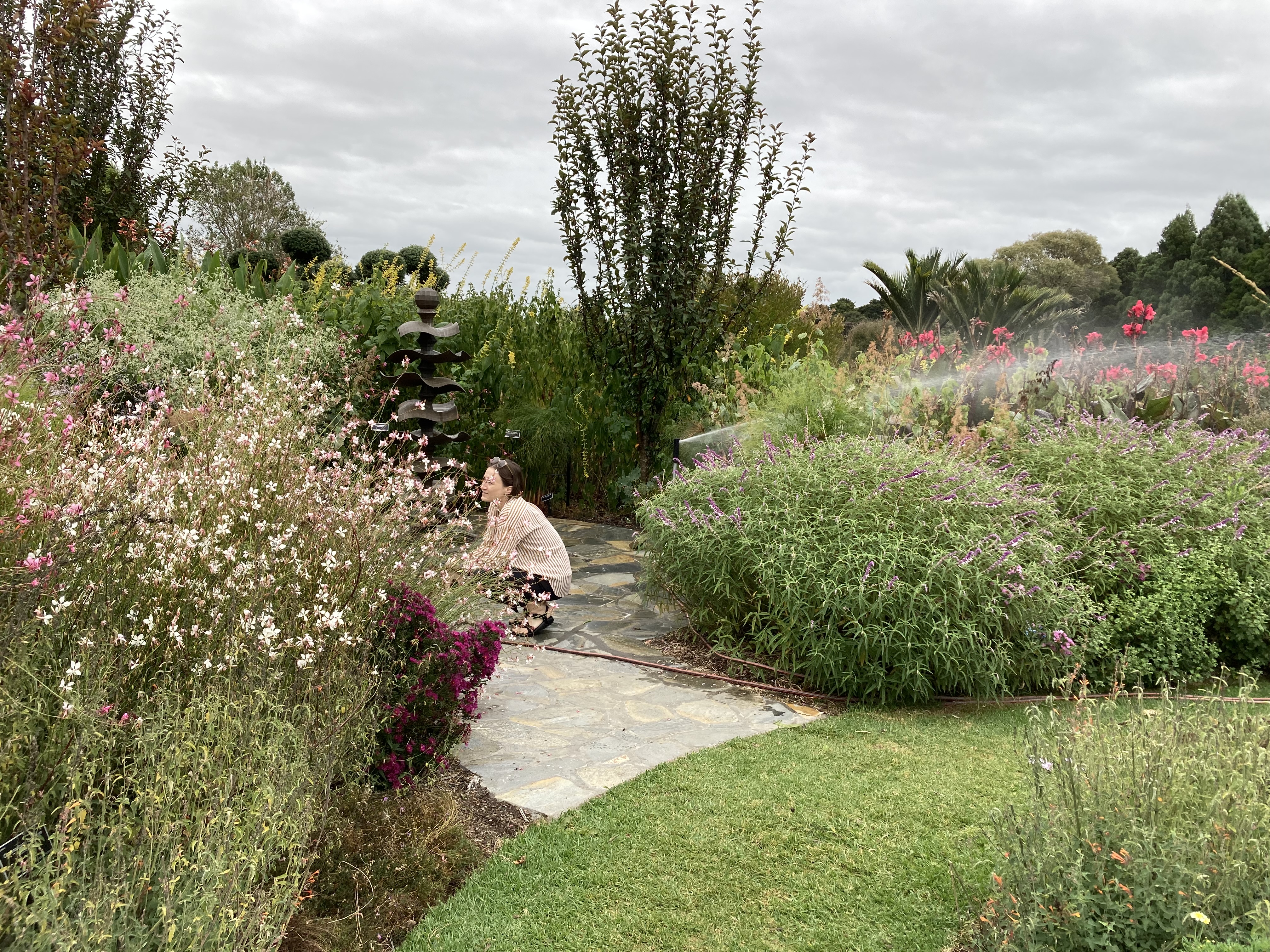
One of the most amazing things about this trip so far is that Adrienne and I have been able to take our time more. We made full use of this flexibility while at the gardens. For over four hours, we wandered the grounds and weaved our way through exhibits organized by themes like Endangered Plants, Edible Plants, Native Plants, the Rock Garden, Native Trees, African Plants and more.
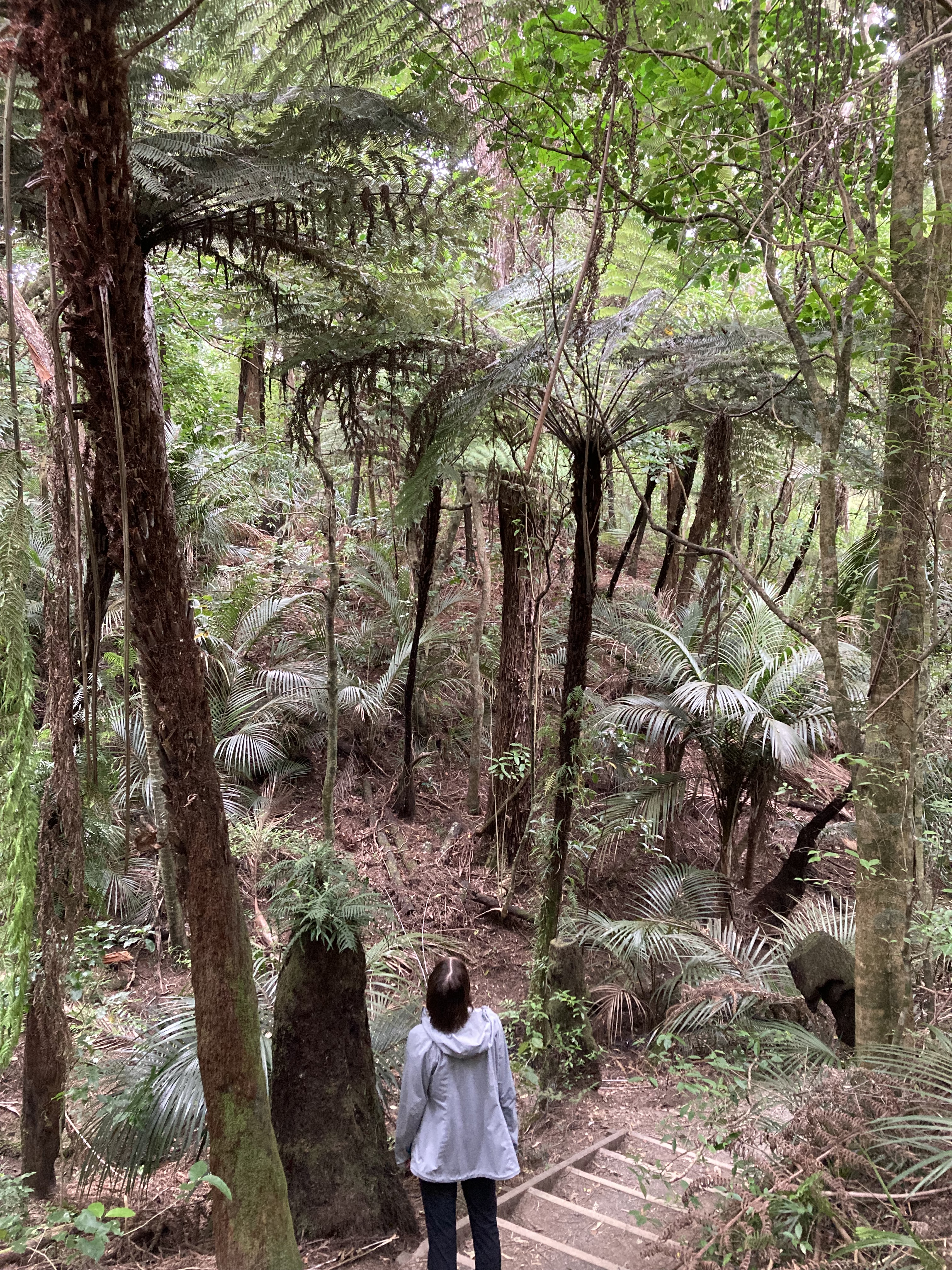
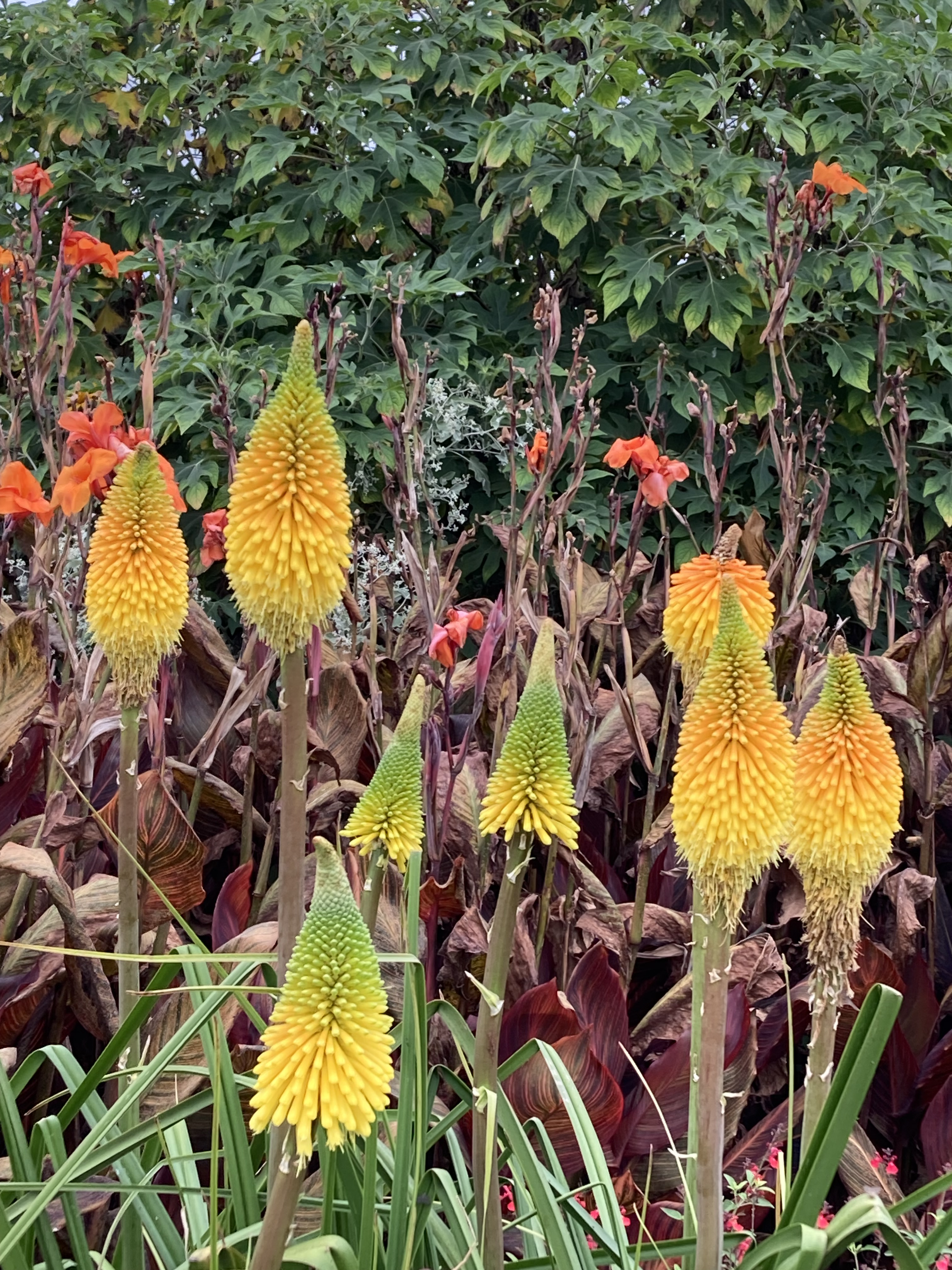
We lingered longest perhaps at the Perennials, a pretty dazzling collection of flowers. The exhibit, along with others, emphasized how endangered various plants are, as well as how fragile the New Zealand ecosystem is as a whole. Signage dove into what people can do to create more resilient gardens, how serious we must all take the ever-escalating destruction of the natural world and efforts that are underway to protect what remains. I walked away from the experience amazed at how delicate our world is, how glad I am that places like the Auckland Botanic Gardens exist and pensive about how much people like my dead mom would have enjoyed it.
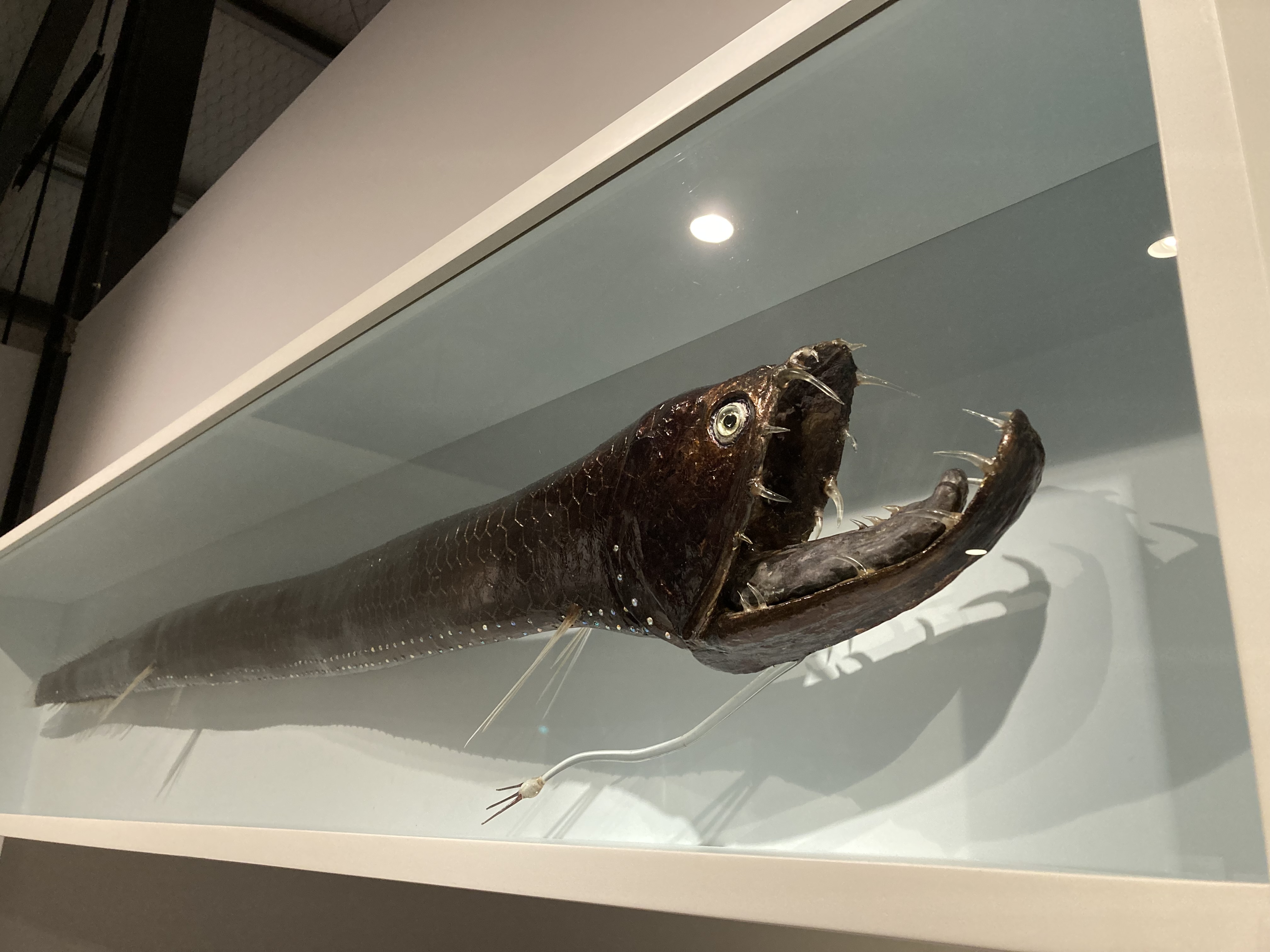
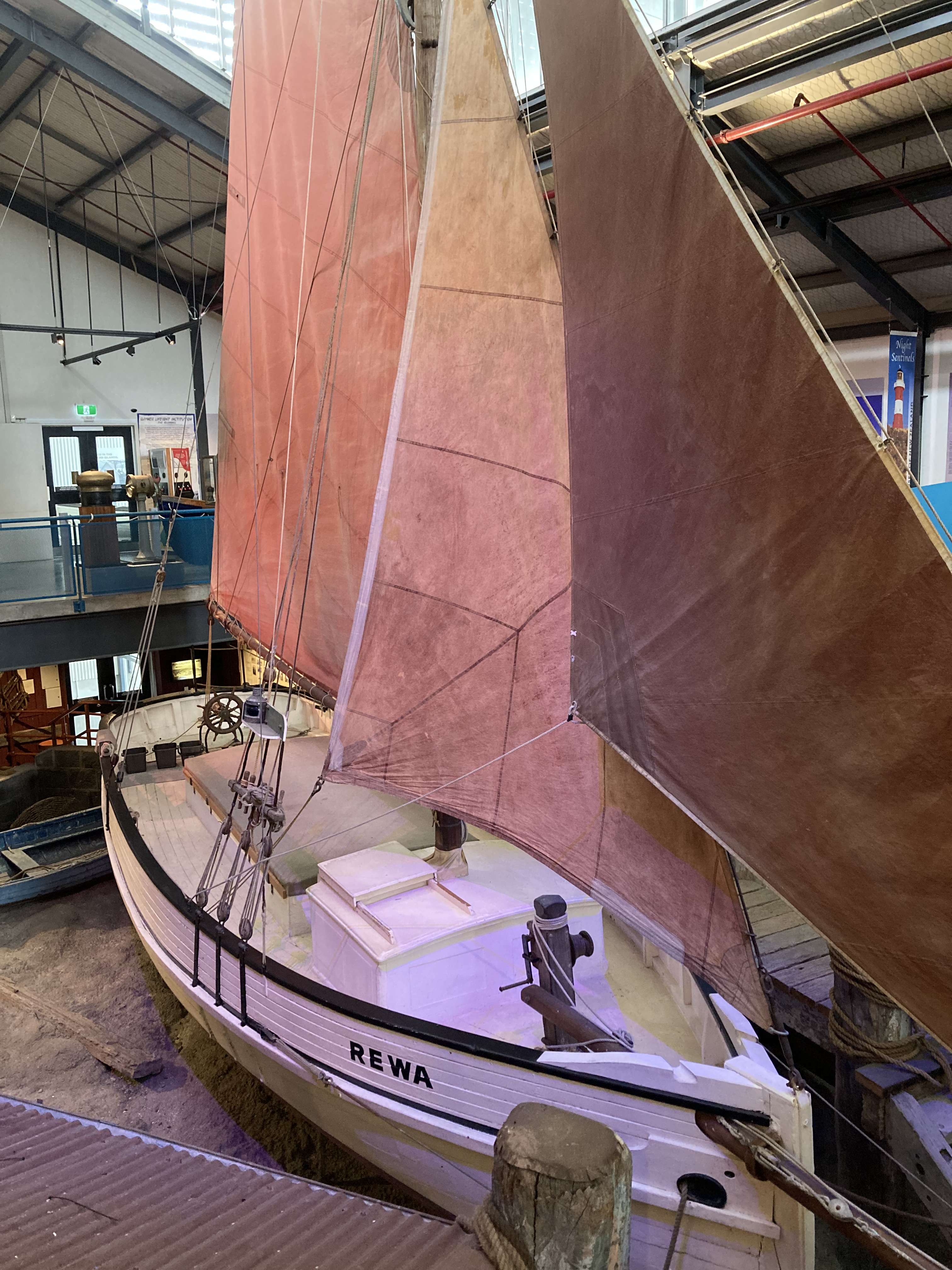
The next day, Adrienne and I were off again, this time to the Auckland Maritime Museum. Located on the Viaduct Harbour waterfront in Auckland’s city center, the museum traces the entire maritime history of the region. It begins by covering how the Māori and other Polynesian peoples first migrated into the area and then tracks their methods for sailing, fishing and navigation. The long history of European colonization during the Age of Discovery is also profiled, as is the development of New Zealand’s more modern sailing culture.
There were special exhibitions on as well, such as Ngā Huhua: Abundance. This exhibit explores the wonderous biodiversity of Hauraki Gulf Marine Park as well as the various ecological threats its plant and animal life now face due to human activity like overfishing, dredging and climate change. It also covered the Herculean struggle various people are now undertaking to head off these disasters that are at risk of spiraling out of control.
Perhaps my favorite part of the museum was all the scale models it had in its collection of various ships and its displays about New Zealand lighthouses. As you maybe can tell from these interests, I am somewhere in the ballpark of 65-75-years-old mentally based on these interests. My 37-year-old body is merely a facade for a decrepit pensioner.
As mentioned, there was a common theme woven throughout these disparate experiences. The Botanic Gardens, the Maritime Museum or even the presence of the Māori language and culture in New Zealand in general all emphasize how everything is impermanent and perhaps nothing really lasts. Yet at the same time, they also emphasized how perhaps some things can, at least if they receive enough concentrated compassion and care. And for someone currently obsessed with the fleeting nature of life, that is indeed an encouraging thought.
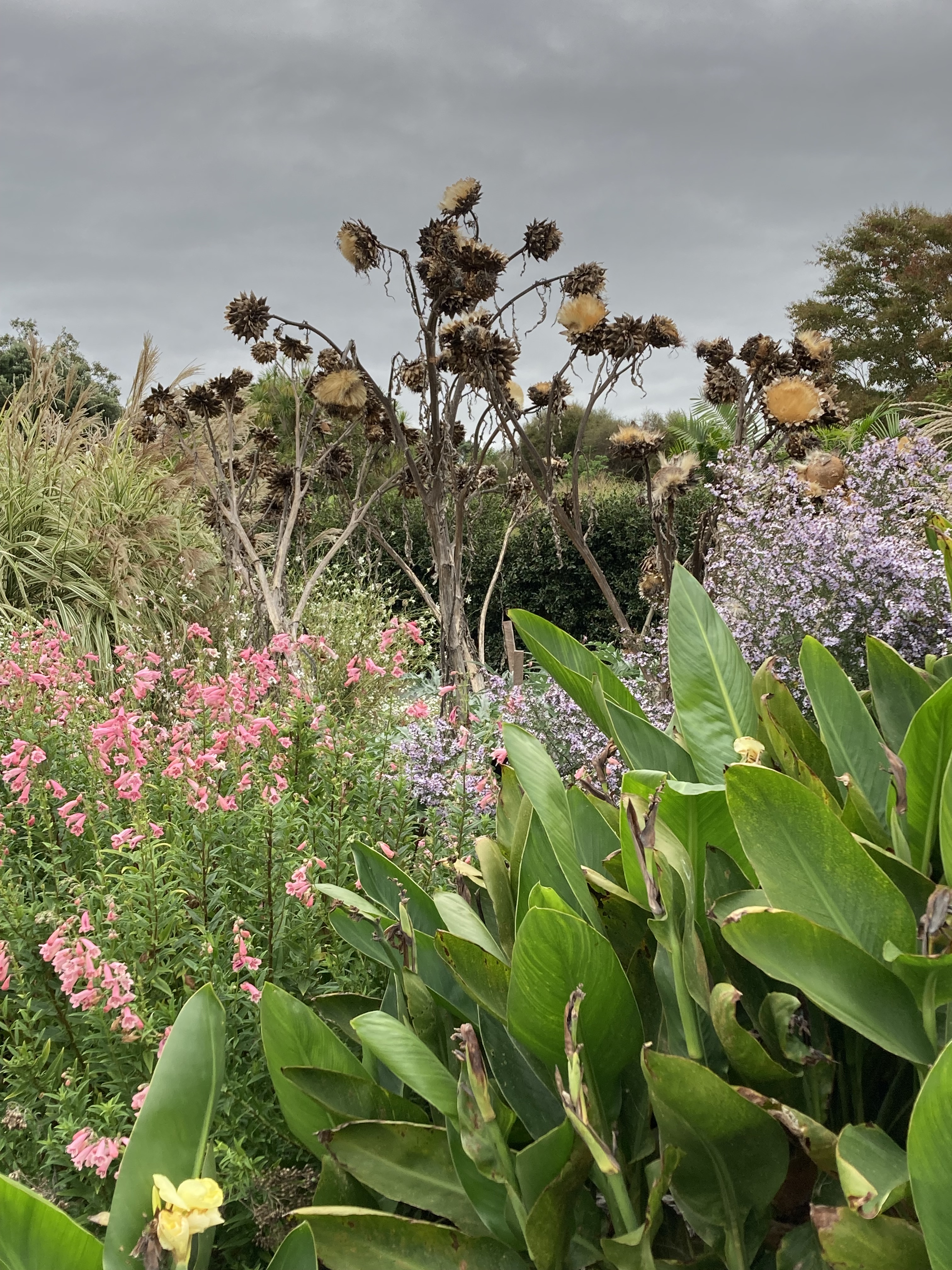
Nowhere was that idea distilled more for me than in some of the sunflowers sprinkled throughout the gardens. At the current moment here in New Zealand, sunflowers are out of season. This was obvious even to a boorish guy like me, as they were discolored and heavily wilted. But because of how thoughtfully and carefully the gardens were attended, I have no doubt they will come roaring back next year and amaze the next Adam (we’re a dime a dozen) who comes calling to New Zealand’s shores.
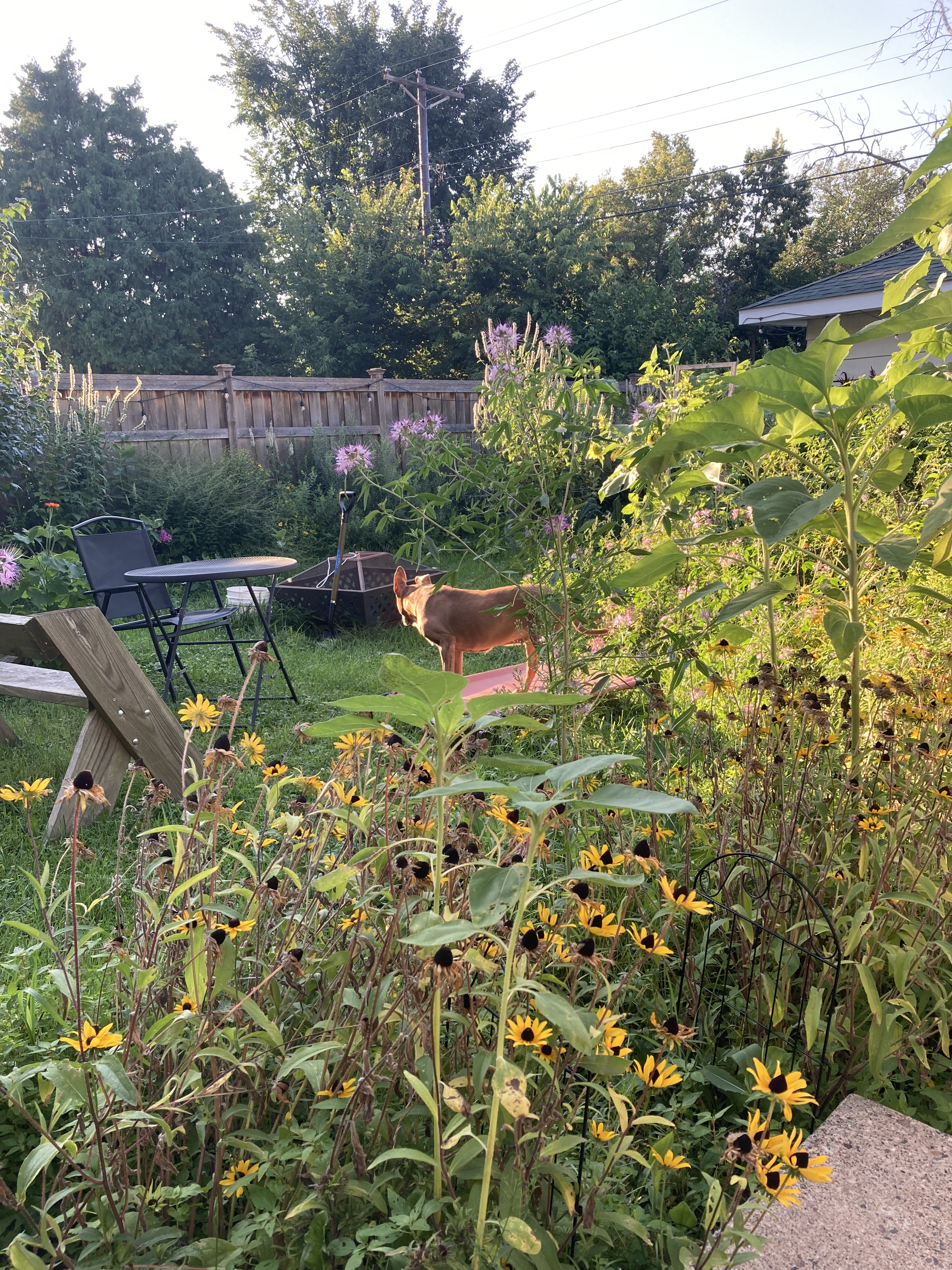
My late dog Buffy loved sunflowers. Each spring and summer, she would enjoy nothing more than trapsing out into our backyard to lazily snack on one or two or three or four. And like the sunflowers, I like to think that she was given the time, space and stability to grow, flourish and leave a permanent impression on all who knew her. And that even though her body wasn’t built to last, her spirit still does. She lives again, safely ensconced in our hearts.
Join us next time my friends as I attempt to wrap up our time in Auckland and chronicle our journey southward toward Rotorua and, at long last, Hobbiton!
 Adam Mohrbacher
Such tender observations Adam, beautiful to read about the Buffy blessings along the way and how you’re carrying her spirit within your own. Also, for the record, you are not a dime a dozen.
Xo,
Em
i feel like I am traveling with you. Loving your descriptive and emotional / spiritual observations. Paul/Dad
/