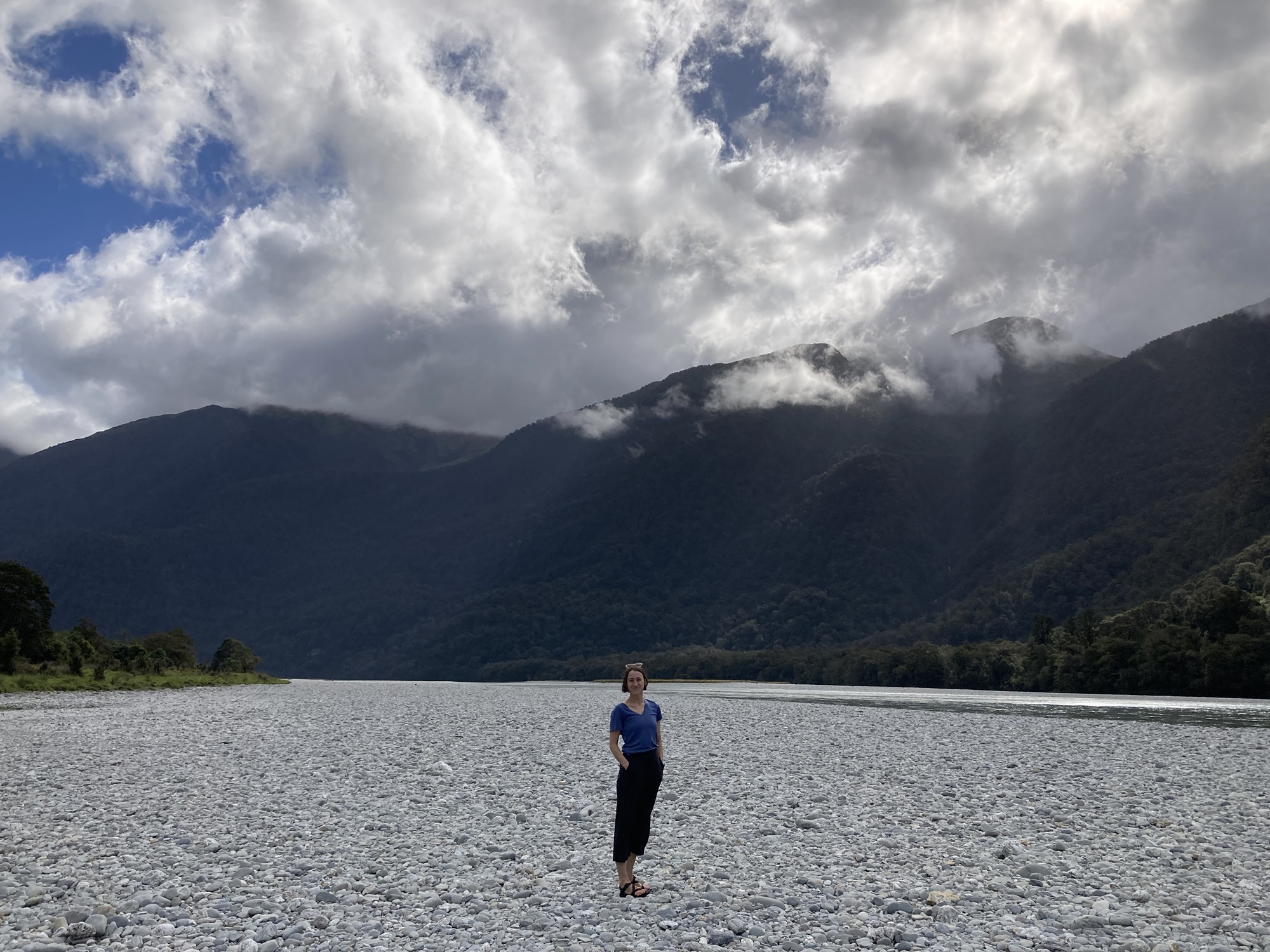
Hello my friends. It’s your friendly neighborhood travel guide Adam Mohrbacher. I’m back with another report on our epic journey throughout the two islands and many biomes that make up New Zealand, aka the most beautiful country on the face of the earth.
I have fallen far, far behind in my travel blogging of late. This is due, in part at least, to wanting to write about other important topics such as films from 20 years ago. In an effort to catch up, I will be providing a more abridged version of all we saw and experienced in New Zealand, followed by my patented insights into how I feel about it. And after that, whether I will continue this blogging series is anyone’s guess.
When we left off, I had just discussed our pretty incredible trip through Hobbiton, perhaps one of the more impressive and genuine tourist traps I have ever been in. It was a deeply meaningful trip for yours truly, as Jackson’s trilogy has been a resonant fixture of my life from when I was a sad preteen to my current state as a sad middle-aged man.
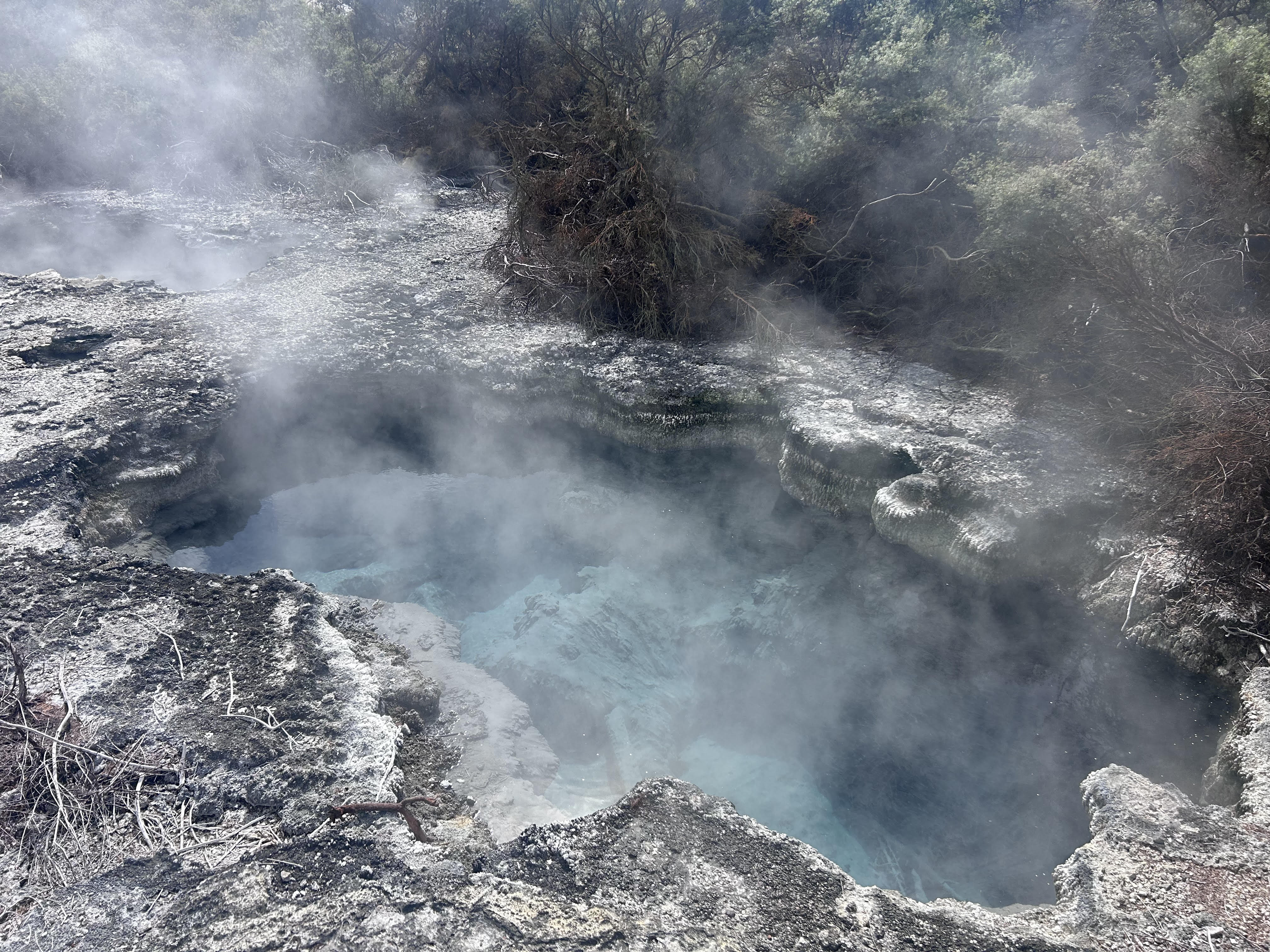
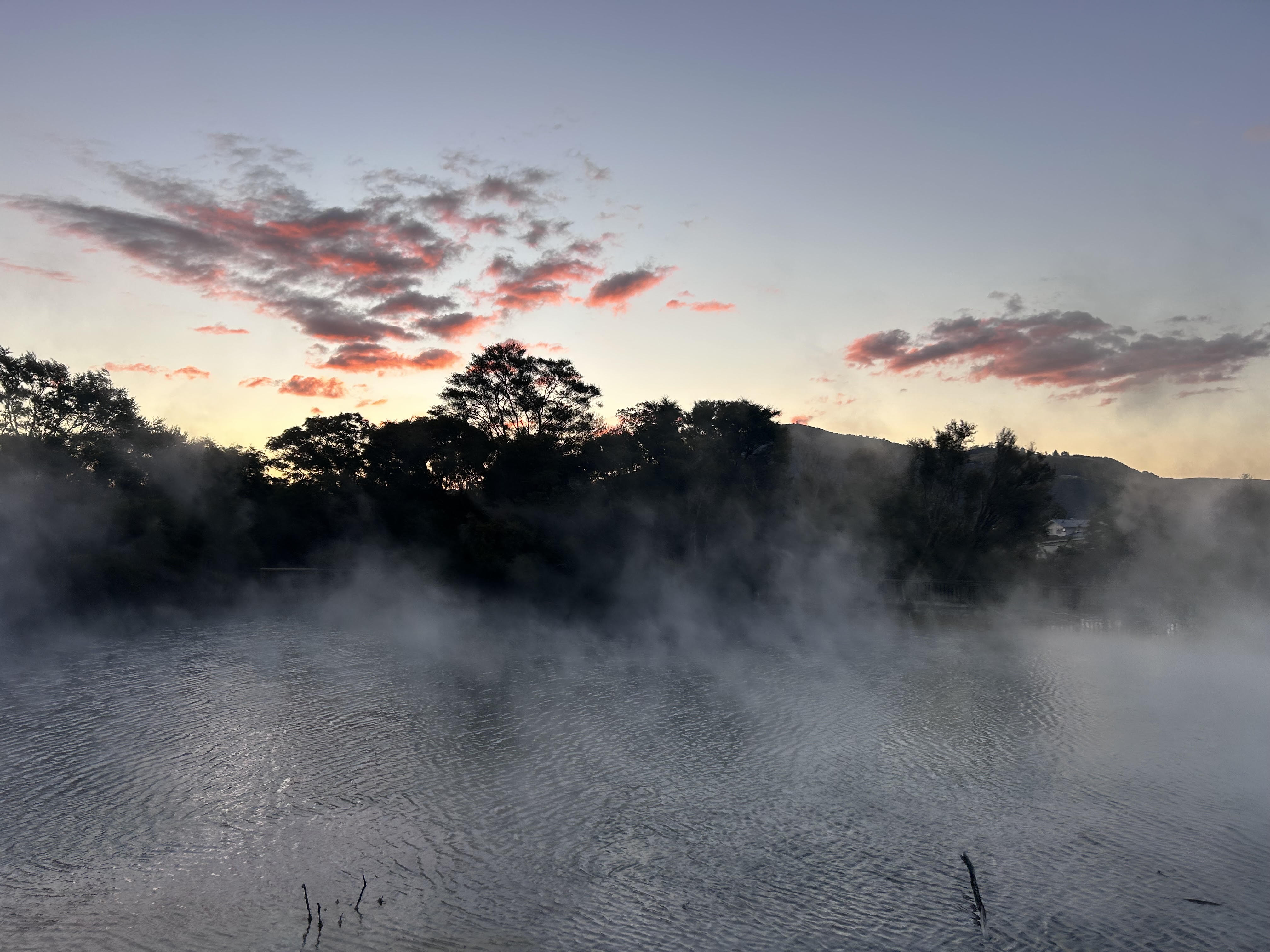
We next found ourselves in Rotorua, a scenic little community situated adjacent to Lake Rotorua and close to several hot springs. The whole town smells like sulfur, which takes a bit of time to get used to. I kept looking around to see who cut the cheese during our time there. Yet the town and region are packed with so many fun things that it more than makes up for it.
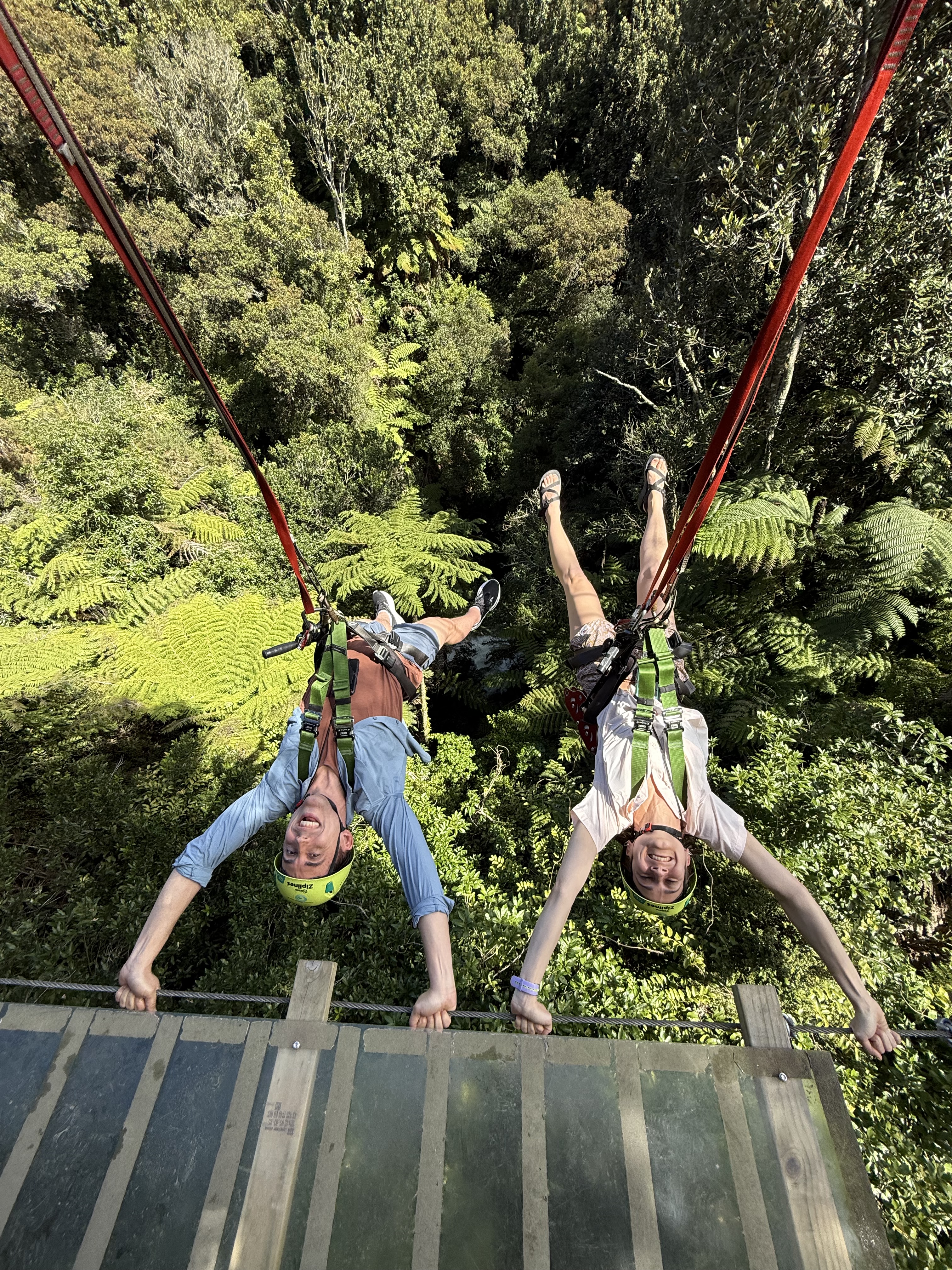
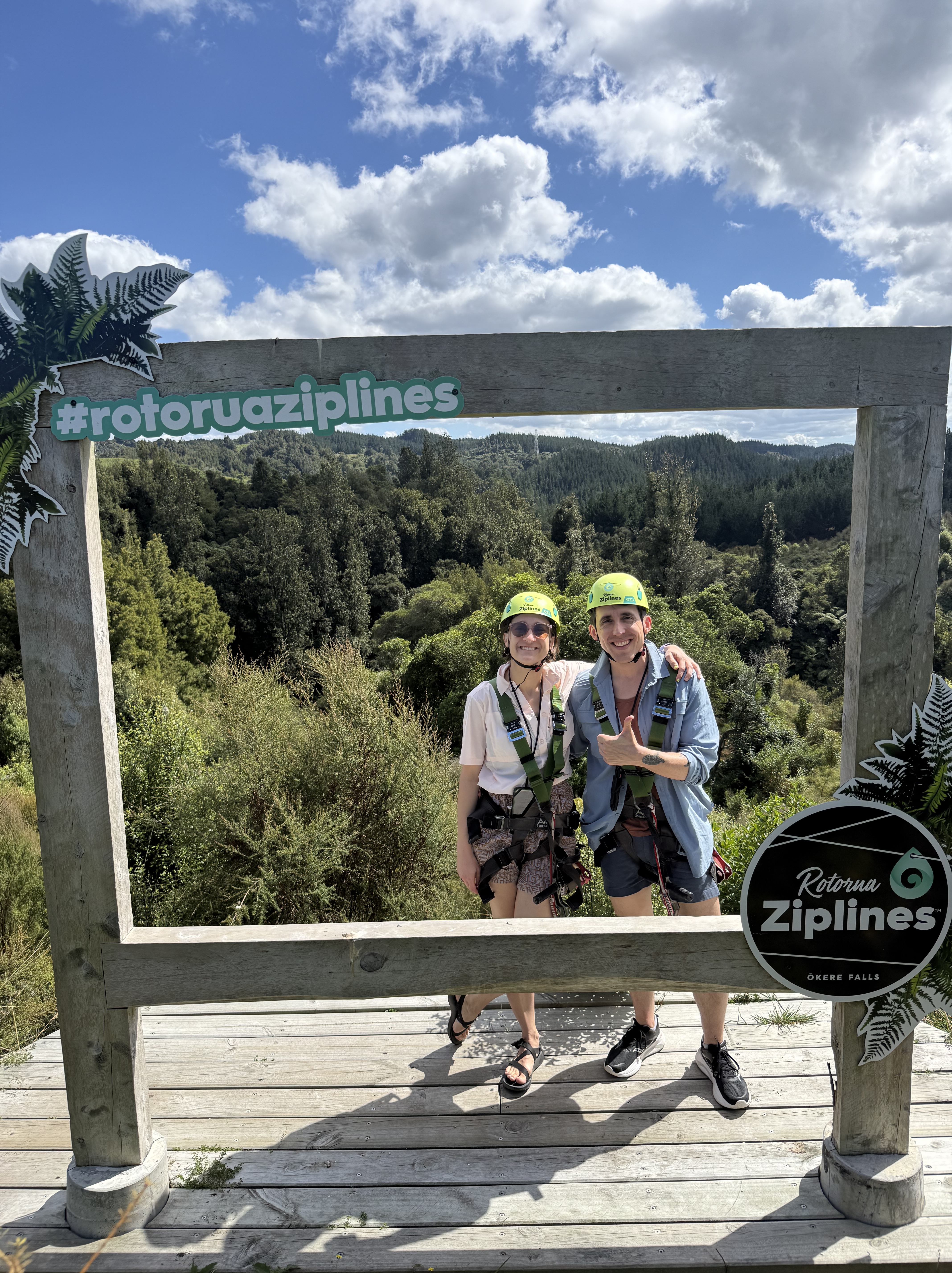
One of the first fun things on our agenda was a little bit of ziplining. This had been on our radar ever since we decided to go to New Zealand many months ago. Yet having suffered a pretty gnarly shoulder injury right before the trip, for a while I wasn’t sure if I would be able to do it. I’m pleased to report to my loyal readers, however, that I rose to the challenge. As Adrienne was whizzing through the trees and dangling off bridges, good ol’ Adam was right there with her. There were a couple of times I thought I may wind up in traction (one of which you can see below), but I muscled through by flashing my trademark grin-grimace, and no one was the wiser.
Another highlight for me during our time in Rotorua was a guided evening trip to see New Zealand’s famed lakeside glow worm caves. When I originally booked the excursion, I thought this was an unmissable experience that you HAD to do while in Rotorua. Per usual, I had done insufficient research. Since we’ve been in the country, I’ve learned that glow worms are almost literally a dime a dozen throughout this great land.
Despite their ubiquity, the excursion was absolutely fantastic. Our guides got us suited up in some wet suits and headlamps, tossed us in a kayak, and then we were off paddling across the disturbingly calm waters of one of the many regional lakes. We visited three different caves during the tour. And in each one, we were dazzled and dazed by the light emanating from countless little glow worms embedded on the caves’ ceilings and sides. The only thing that was more glorious than these little imps were the multiple shooting stars that passed overhead. Adrienne managed to see each of them with crystal clear clarity. I saw them through a blurry film, as I was overwhelmed by the beauty and cried my sad little eyes out.
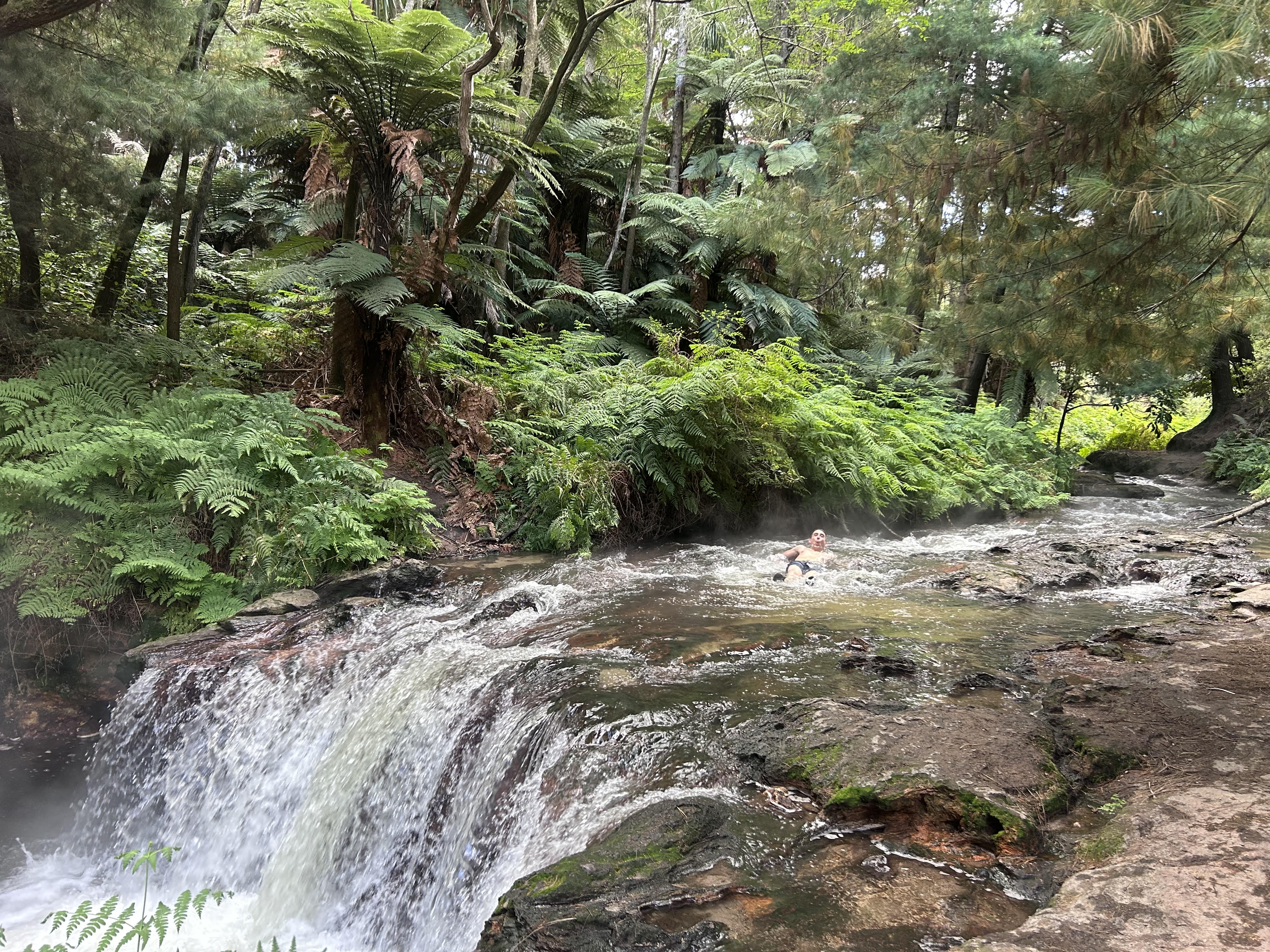
The proverbial cherry on top of the Rotorua sundae though was our trek down to Kerosene Creek. Now, I’ve seen many creeks in my day, and I’ve even flopped around like a fish in a few of them. I had never been in one like Kerosene. Fed by thermal hot springs, the creek was exceptionally warm and relaxing. It had all the sensory benefits of a hot tub but none of the unhygienic downsides. We spent a good hour or so floating about in the toasty waters and concluded that it was if not one of the best experiences of our lives, then it was certainly one of the most unique.
After our time in Rotorua came to a close, Adrienne and I packed up our rental car and sped southward. While we moseyed down the North Island, I thought about how both of our major excursions in Rotorua were super fun but that wasn’t all they were. They also offered exposure to some of the destructive historical forces that have warped New Zealand and the positive backlash they said forces have engendered over time.
Our ziplining party was the perfect example. While most of it was dedicated to yucking it up while dangling over a waterfall, there were also opportunities for education. Throughout each section of the ziplining course, we frequently passed traps intended to neutralize the various rats, stoats and other pests that are pervasive throughout the country. Our guide informed us that these animals are actually not native. They originate from the various waves of European immigration to New Zealand that occurred throughout the centuries. Unfortunately, the decision to bring plants and animals alien to New Zealand has all but devastated the native flora and fauna. Stemming the damage has required an all-hands-on deck approach on the part of governments, tribes, individuals and businesses.
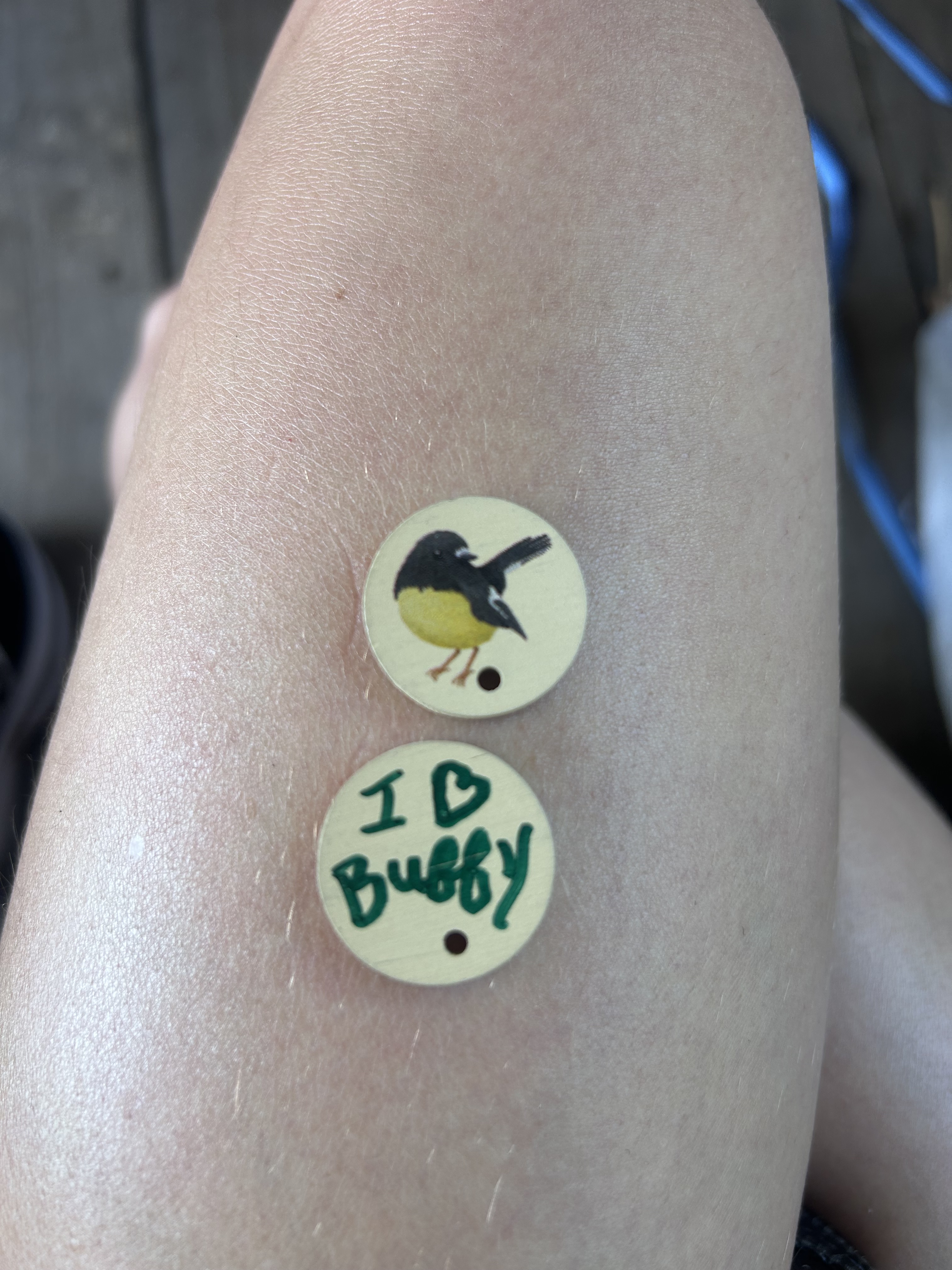
One of these businesses was our ziplining hosts. The company we worked with had taken on trapping these invasive, alien species. What’s more, they were also replanting the forests that had been damaged in recent years. We even got a chance to be a symbolic part of the restoration. At the end of the excursion, we decorated some wooden disks, with each representing a tree that would one day be planted in these fine New Zealandian hills.
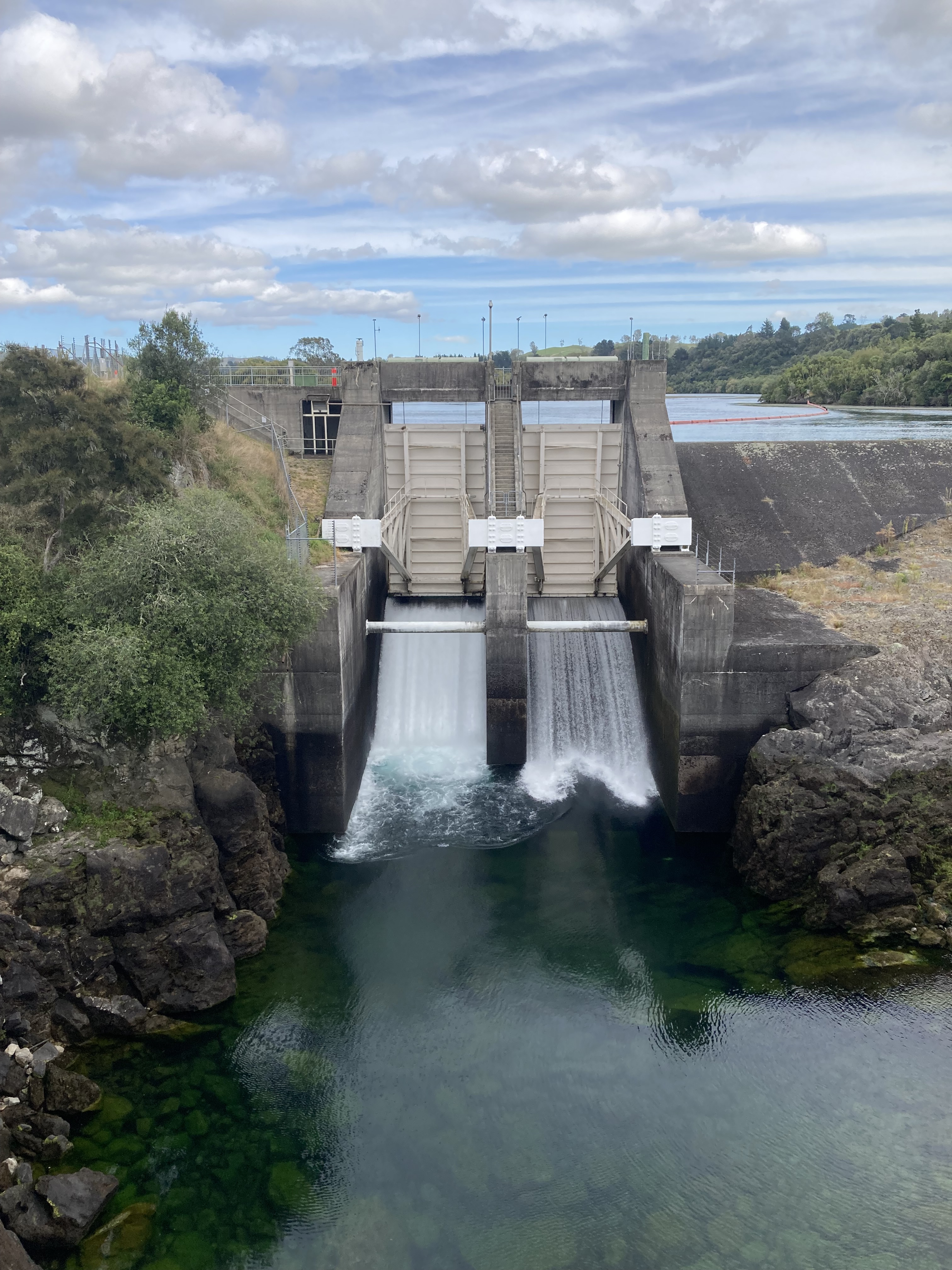
The next stop on our travels was the city of Wellington, the country’s largest city, which lies on the southern tip of the north island. This is quite a lengthy trip to undertake, yet my wonderful lady Adrienne had planned several glorious stop offs, as is her custom. One of these was the Aratiatia Rapids, which was LOTR-related. Well, I should say that it was The Hobbit-related, which is definitely less exciting.
But even if the Rapids served as the backdrop for a less than stellar moment in film history, they’re still a really neat place to pull off. The rapids are created every day when the powers that be open the Aratiatia Dam, which unleashes thousands of gallons of water and transforms a “dry, rocky gorge into a roaring river.” You can see the Rapids in the second of the three Hobbit movies when the dwarfs and Bilbo Baggins escape down a river in some barrels. It’s an absurd, physics-defying, howl-inducing scene in a pretty bad film. I’m pleased to report that the Aratiatia Rapids are much cooler in real life. You really get a palpable sense of the power and danger of the area—two qualities utterly missing in the woeful Desolation of Smaug.
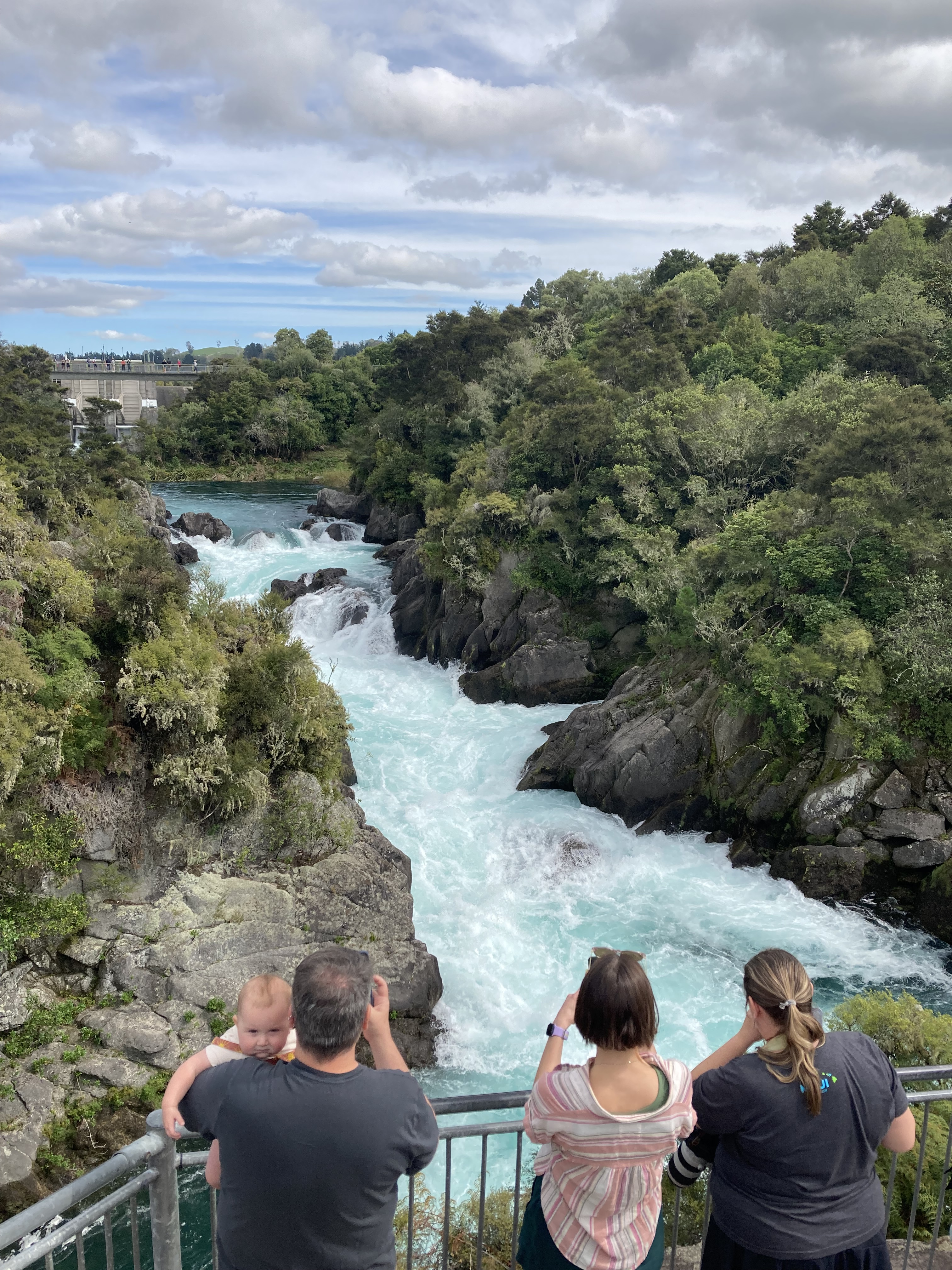
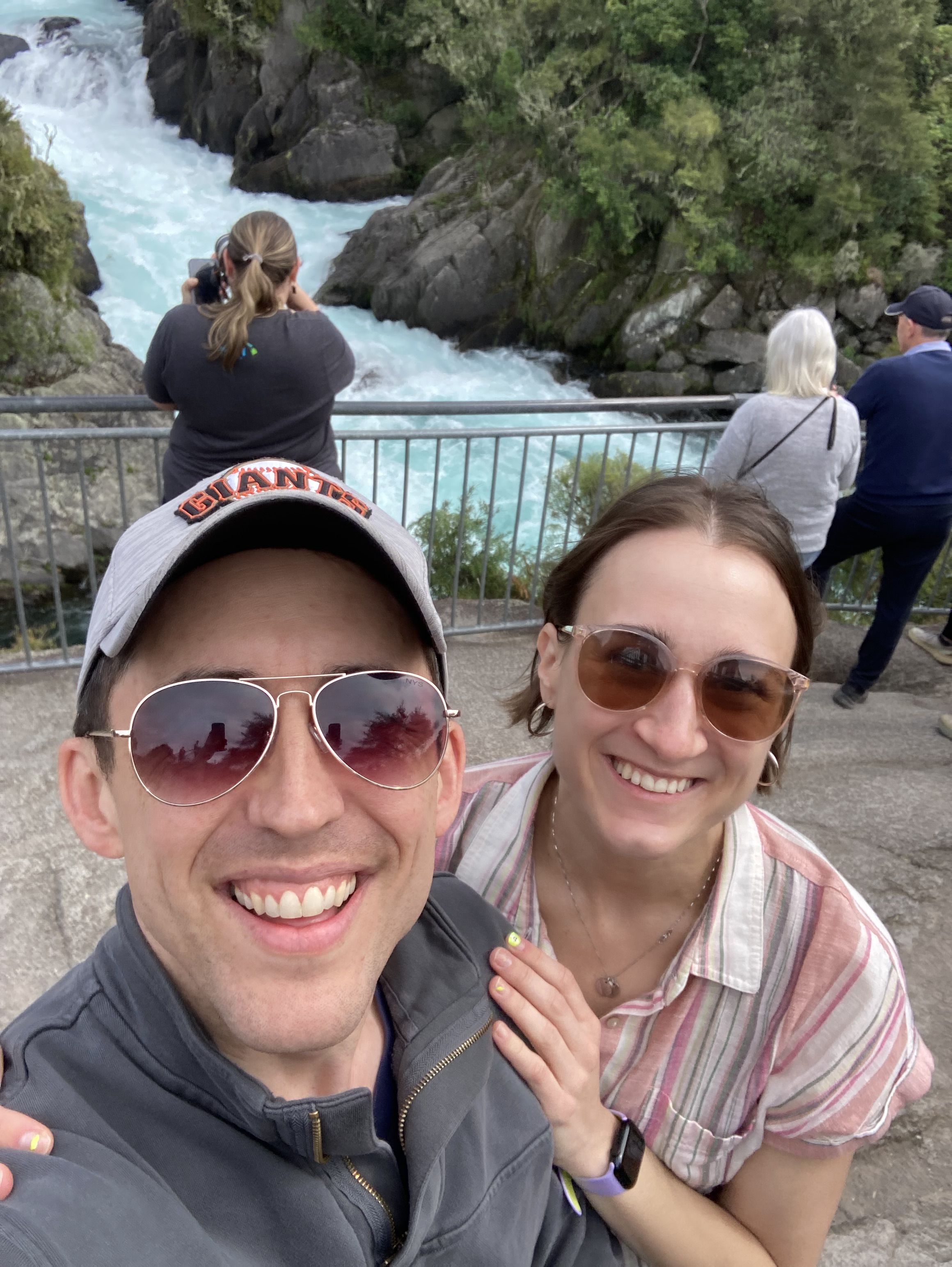
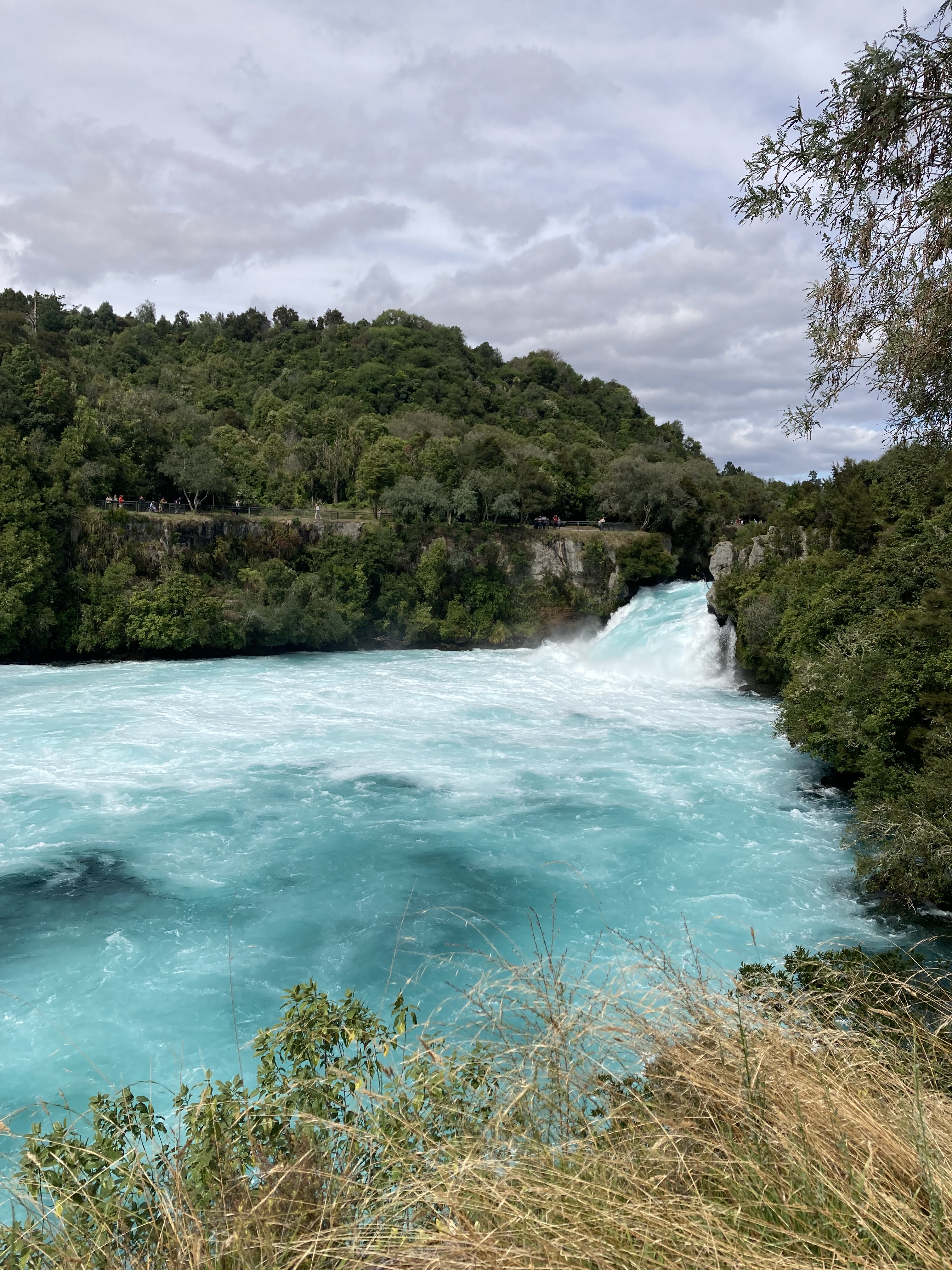
One would think this glorious spectacle would be enough, but the truth is, nothing ever is for this greedy little monster. Like Gollum in Lord of the Rings, I too have an obsession. Mine is not with a ring, however, but with flowing water. I am amazingly lucky to be with Adrienne because she knows this about me. And she had already planned another stop-off at Huka Falls, known for its intoxicating, turquoise waters. Once we reached the falls, we pulled off for a bit. Adrienne cooly took a few snaps, while I gaped and gasped at the Falls like a dying trout. All was well though after I breathed into a bag for a bit, and before long, we were back on the road.
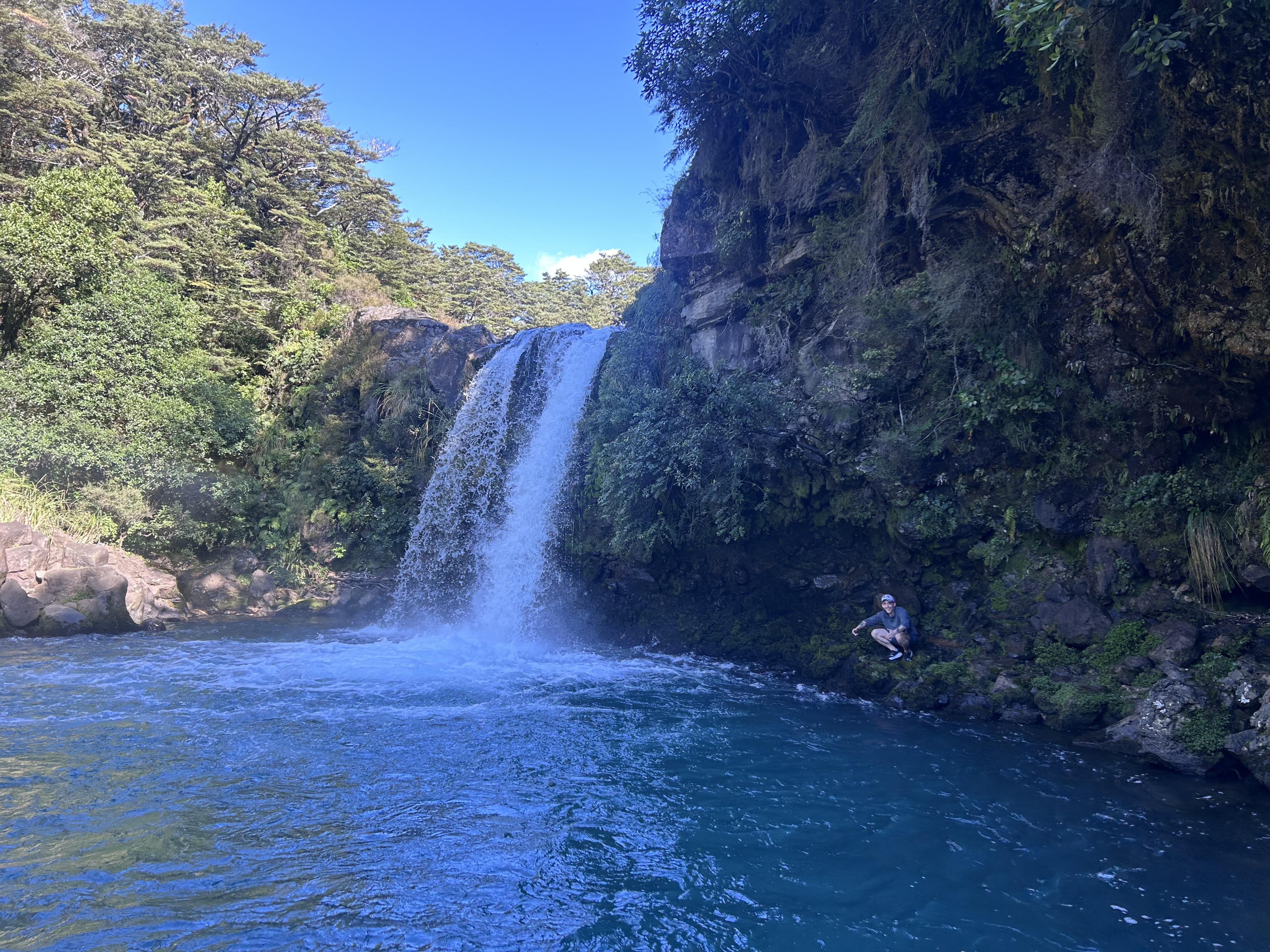
We had one more stop on our list before we hit the bright lights and big city known as Wellington. About an hour or so away from Huka, we pulled off the road to take a brief look at Tongariro National Park. We were specifically interested in scoping out Tawhai Falls, which is colloquially known as Gollum’s Pool due to it serving as a shooting location for a pivotal scene in The Two Towers.
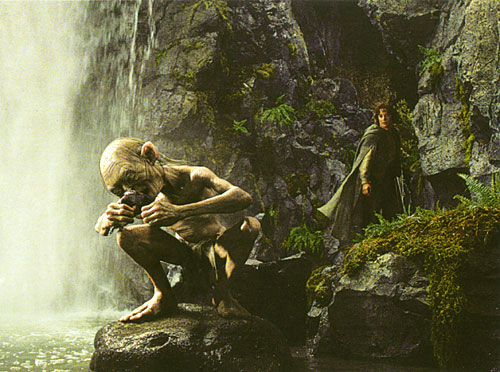
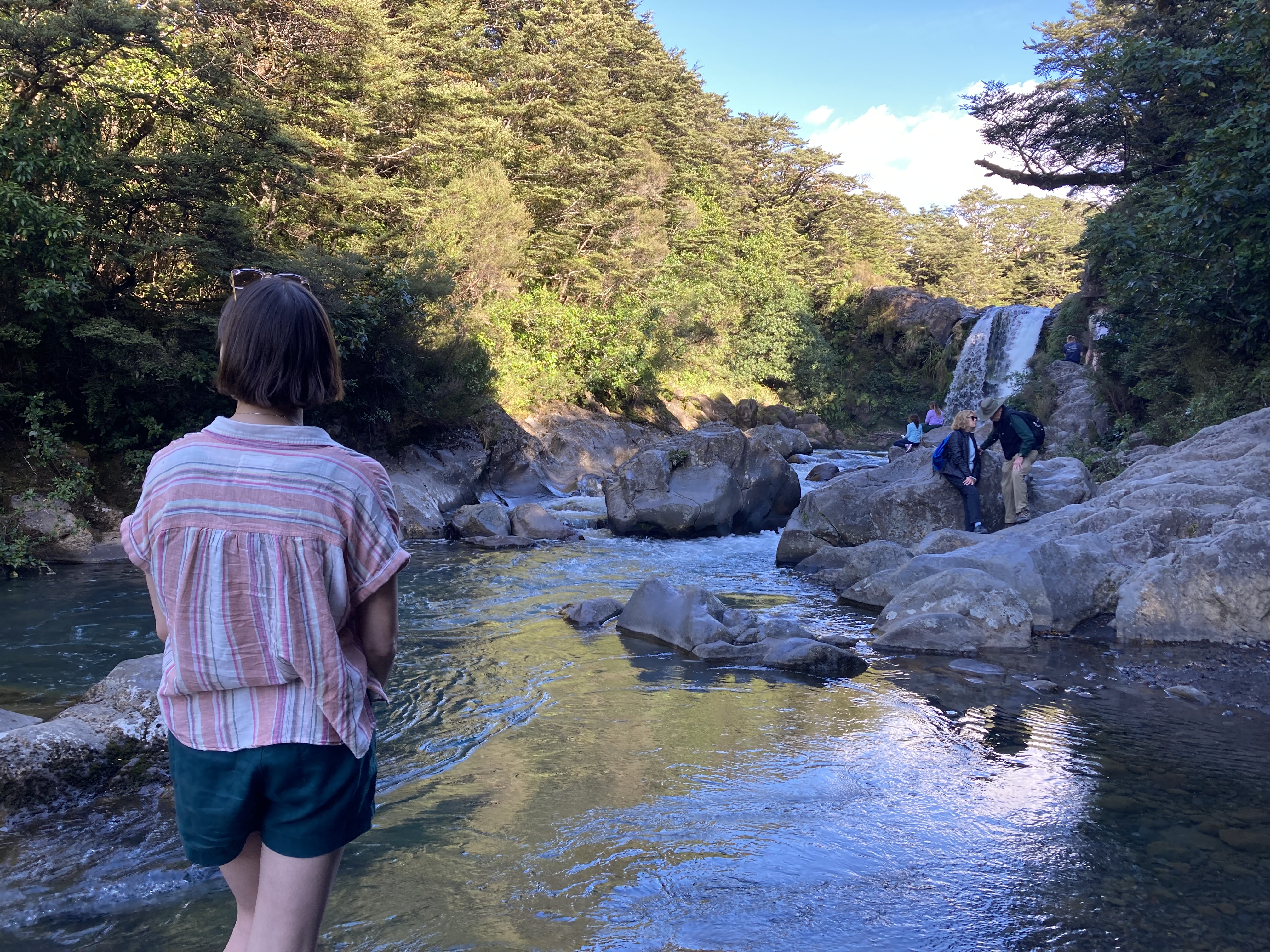
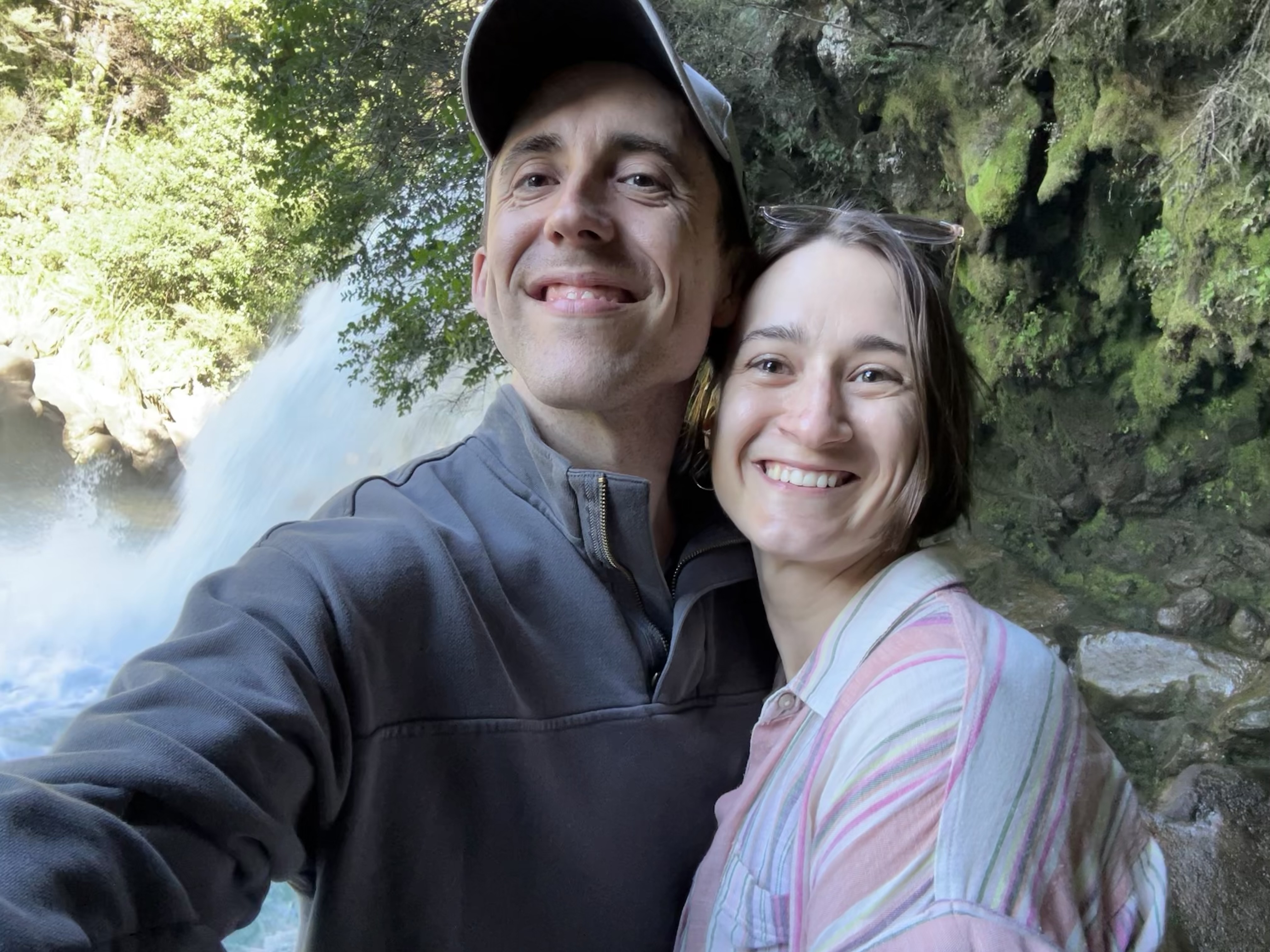
Although a bit smaller than I thought it would be, Tawhai Falls didn’t disappoint. We spent a fair bit of time exploring the area. For my part, I reflected on how cool it was to be standing in another pivotal shooting location from the original trilogy. To honor Jackson’s landmark work, I decided to reenact the scene by doing my best Gollum impression, which I’ve included below for your viewing pleasure.
A few hours later, we finally pulled into Wellington. Although not a big metro by global standards, when compared to Rotorua, Wellington felt like a large and bustling city. After we settled in, we spent a great few days tooling around the town. Some of the highlights included trips to the waterfront; renting e-bikes, which we used to visit the various nooks and crannies of the city’s extensive coastline; riding the cable car up to the Botanic Gardens and, naturally, a trip to Weta Workship, which was probably one of the nerdiest places I have ever been in my entire life.
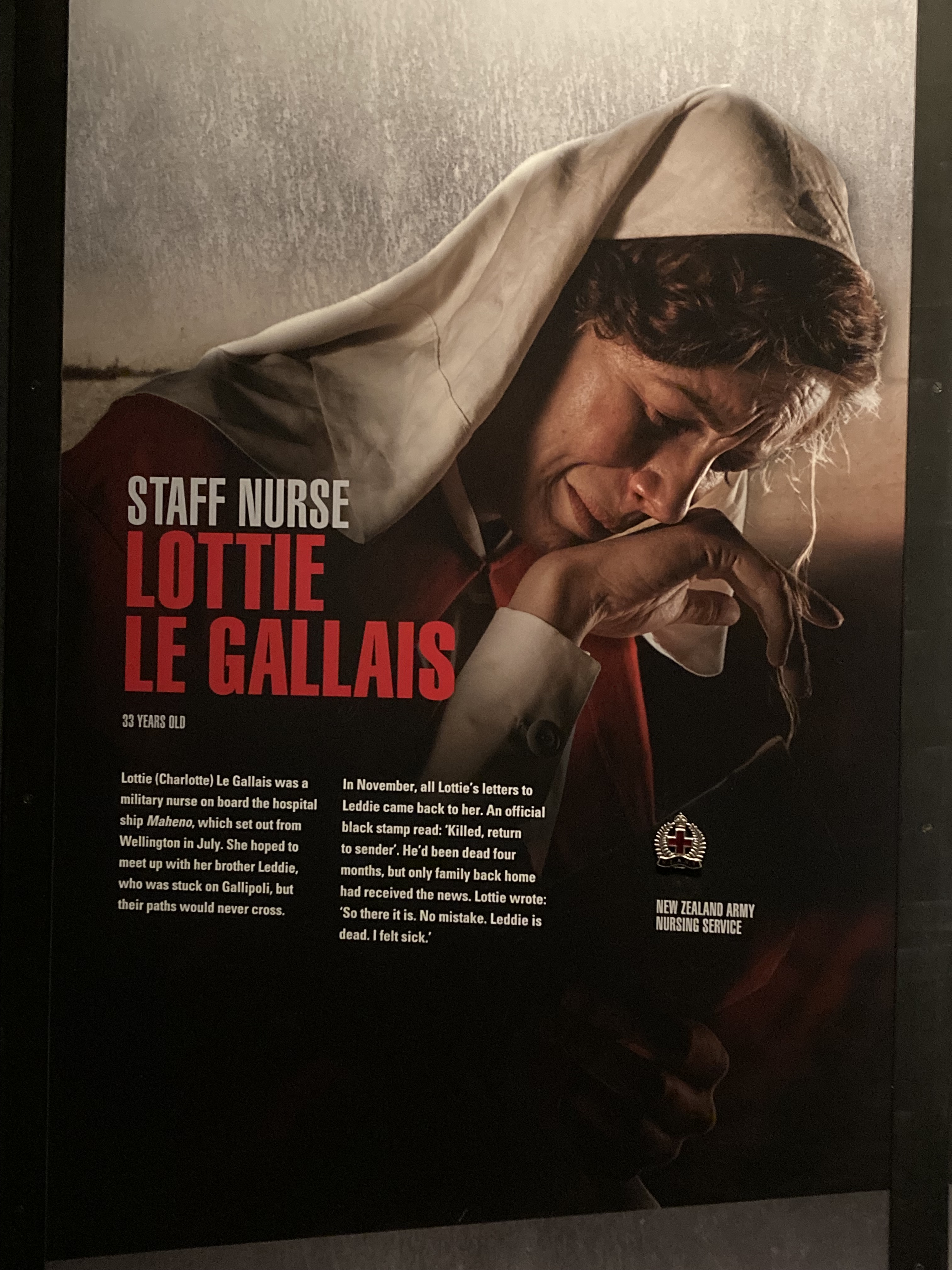
The last day we were there, we went to another really cool museum. The Te Papa Museum is located right smack dab in the heart of the city and covers pretty much everything you could ever want to know about the country under one roof. When we were there, they had a pretty jaw-dropping exhibit about New Zealanders brutal experience during the Gallipoli campaign during WWI.
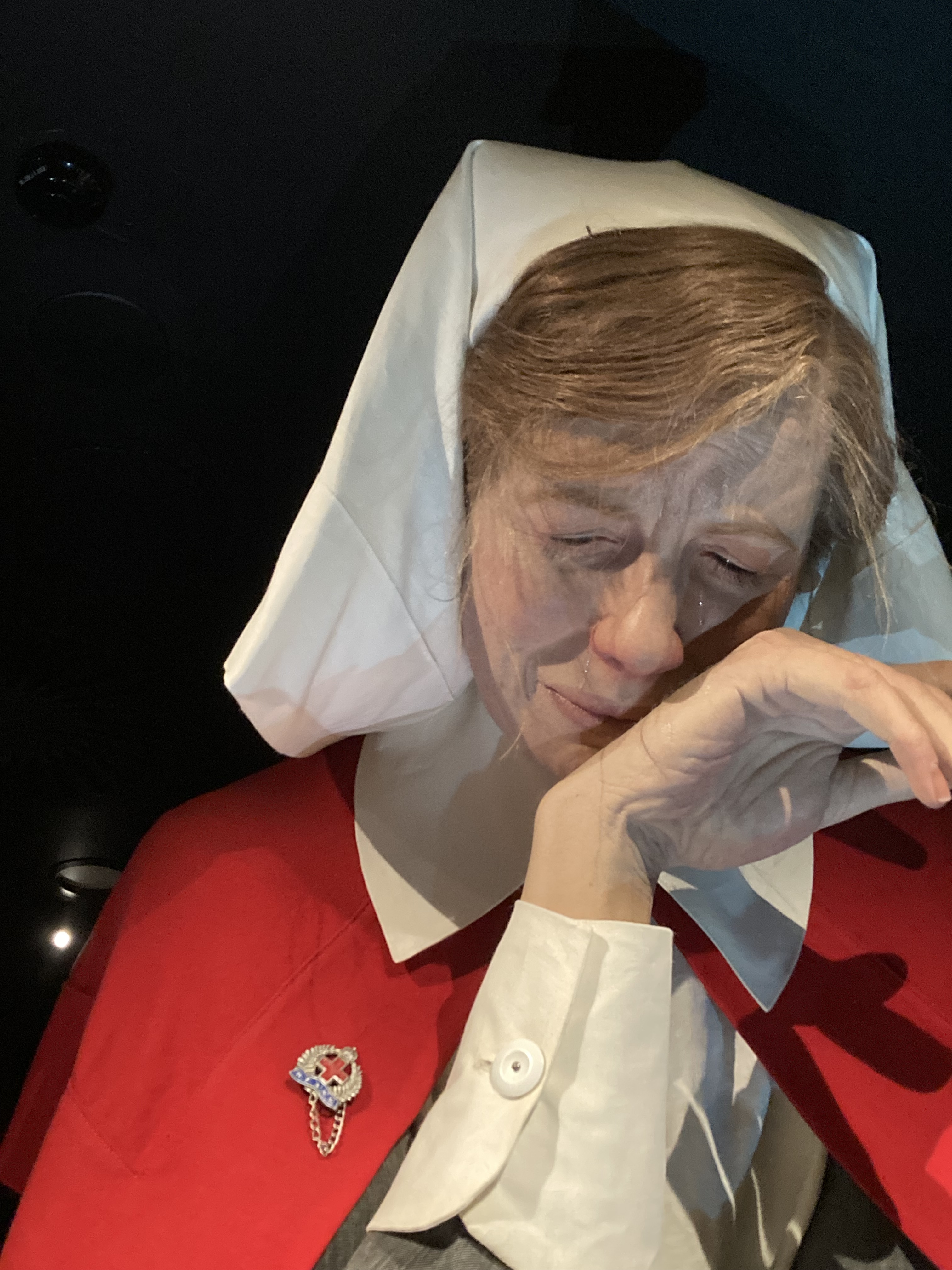
This was a very notable museum because it included several massive sculptures of real life figures whose lives were forever upended by the war. My favorite was one dedicated to Staff Nurse Lottie Le Gallais, which movingly depicted the poor woman right at the moment when she learned that her brother had been killed in the fighting. Overall, it was a powerful testament to the stupidity of war and how an entire generation found their worlds torn asunder because of it. The exhibition was completely jam packed too, which likely speaks to how prominently the Gallipoli campaign lives in the country’s collective memory.
Other interesting exhibits included “Blood Earth Fire,” which delved into the same topic first broached during our ziplining tour in Rotorua. The content filled in additional details about how the original European settlers to New Zealand royally fucked the ecosystem for centuries to come with the various plants and animals introduced to the biosphere. It also similarly touched on the efforts made by generations of New Zealanders to mitigate harms and live in greater alignment with the natural world.
We next explored “Te Tiriti o Waitangi: Ngā tohu kotahitanga” or “Treaty of Waitangi: Signs of a Nation.” This exhibit delved into the development and signing of New Zealand’s 1840’s constitution. The process involved both the British (who were deep into their 19th century colonizing kick back then) and more than 500 chiefs of the Māori nation. As you might expect, disagreements arose between the two parties, with the British erroneously expecting the Māori to relinquish sovereignty.
30 years of war between the Māori and the British colonizers would follow shortly after. Dubbed the “New Zealand Wars,” these decades of struggle utterly transformed the nation. They had a particularly devastating impact on the Māori, resulting in the loss of nearly 4 million acres of land and completely upending who held political power in the country.
Based on the little I gleaned from the museum and my subsequent Googling, the conflict also triggered a backlash in a more positive direction. The Māori protest movement is one such example of said lash. The modern iteration of the movement began in earnest in the 1970s, and since then, it has won significant victories. On a broad level, it seemed to force the country to recognize what had long been true: that New Zealand is a multilingual, multicultural place. It pushed the country to designate Māori as an official language and generally helped bring their culture back as a visible force in New Zealand life.
These two exhibits again demonstrated how countries are often defined by the push/pull, confrontational nature of history. Hiegel called this “dialectics,” a view of history first introduced to philistines like me by movies like the wonderful, Oscar-nominated movie Half Nelson. We get a Cliff Notes version of it in the film when Ryan Gosling’s middle school teacher Dan Dunne hilariously teaches Hiegel to his eighth-grade students. History happens through contradiction, Dan says to his pupils. The oppressive status quo (thesis) is resisted by an oppressed group (antithesis). Eventually, this gives way to a “synthesis” or a new and improved political and social reality.
New Zealand and its 20th century history seem to have followed that Hegelian model to a T. Those who believed the country should be primarily for whites and its natural resources theirs for the taking were slowly defeated by those who believed in conservation and cultural pluralism. But the recent rise of the right wing seems to have stymied that progress in the country, just as it has throughout much of the Western World.
_______________
“Our current government doesn’t care much for conservation,” said one of the many wonderful Brook Waimārama Sanctuary volunteers grimly before letting out a mirthless laugh. After bidding a fond farewell to Te Papa and the larger Wellington area, Adrienne and I had flown across the Cook Straight to Nelson, one of the northernmost towns on New Zealand’s South Island. Shortly after arriving, Adrienne mentioned wanting to make a beeline for the Brook, which is the largest fenced wildlife sanctuary for endangered plants and animals in the South Island. As always, her instincts were dead on. The Brook was a place of unfathomable beauty, bursting with a startlingly wide variety of birds and other animals. There were also more streams, gorges and waterfalls than you could shake a stick at. So, you can bet your bottom dollar that your fearless blogger was a happy camper. The volunteers were also a complete delight to interact with. Cheery. Helpful. Communicative. Obviously deeply committed to the work, I was moved by my interactions with them, not to mention happy to engage in chit-chat—which I usually abhor.
The anti-conservation government this volunteer was talking about took power back in 2023. It was composed of your usual cadre of right-wing business types and libertarians and supported by those sick of the high cost of living and the feckless weakness of liberal weenies like Jacinta Ardern. It also included a healthy number of nationalists, organized under the party unimaginatively titled “New Zealand First.” These people seemed to scuttle into power fueled by backlash to 50 years of multicultural and progressive victories, particularly those by the Māori.1
Together they have formed an insidious coalition government committed to rolling back the 20th century, while also being game for taking a sledgehammer to gains in environmental2, 3, 4 and economic justice5, 6 , 7. To put it another way, their ascendency shows that Hegelian synthesis has yet to arrive in New Zealand, a situation sadly mirrored globally. Adrienne pointed this out at the conclusion of our chat with the Brook volunteer. She responded to the volunteer’s comment about the New Zealand government’s disinterest in conservation by sadly saying “Ours doesn’t either,” matching their malaise with her own.
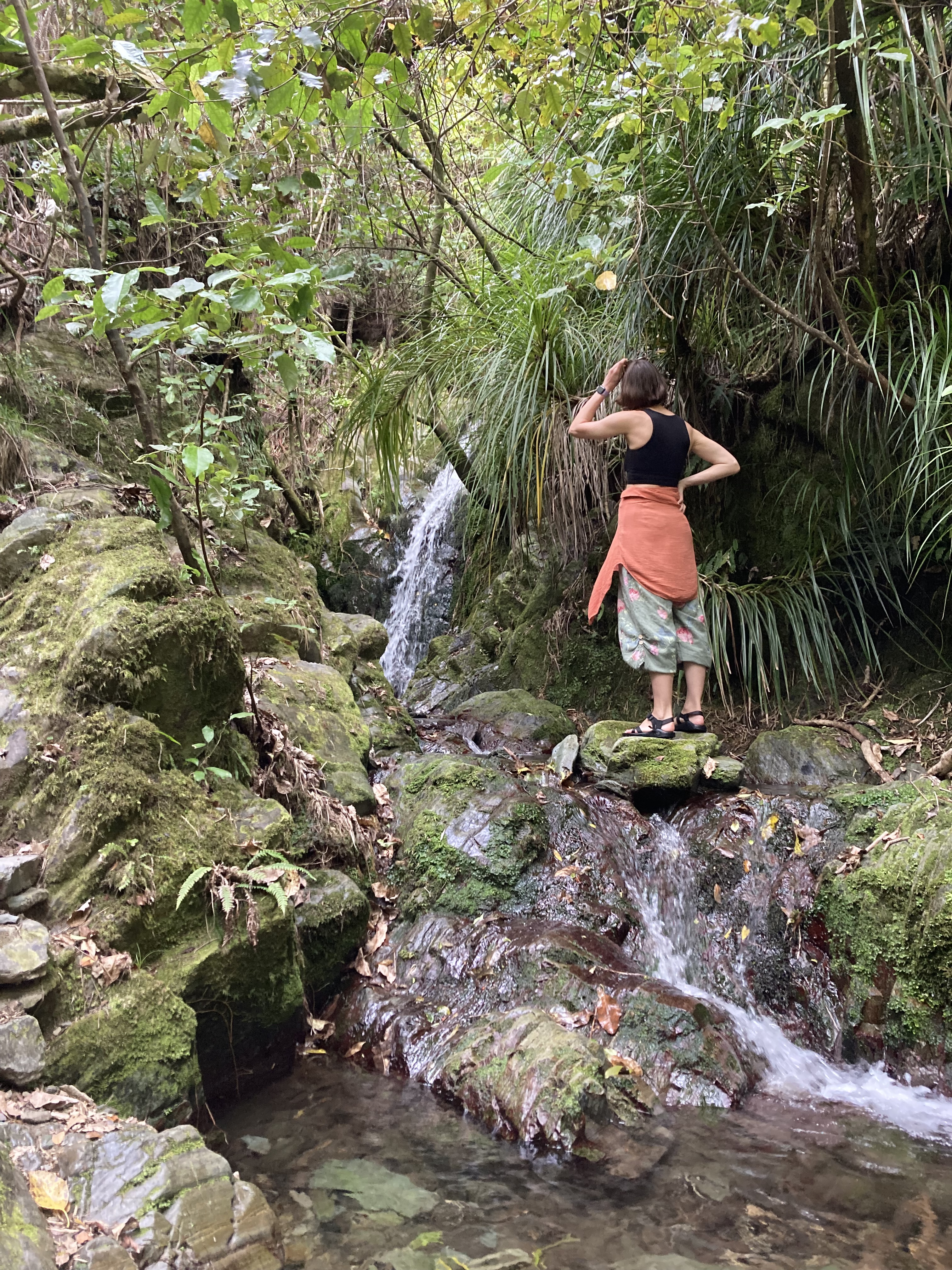
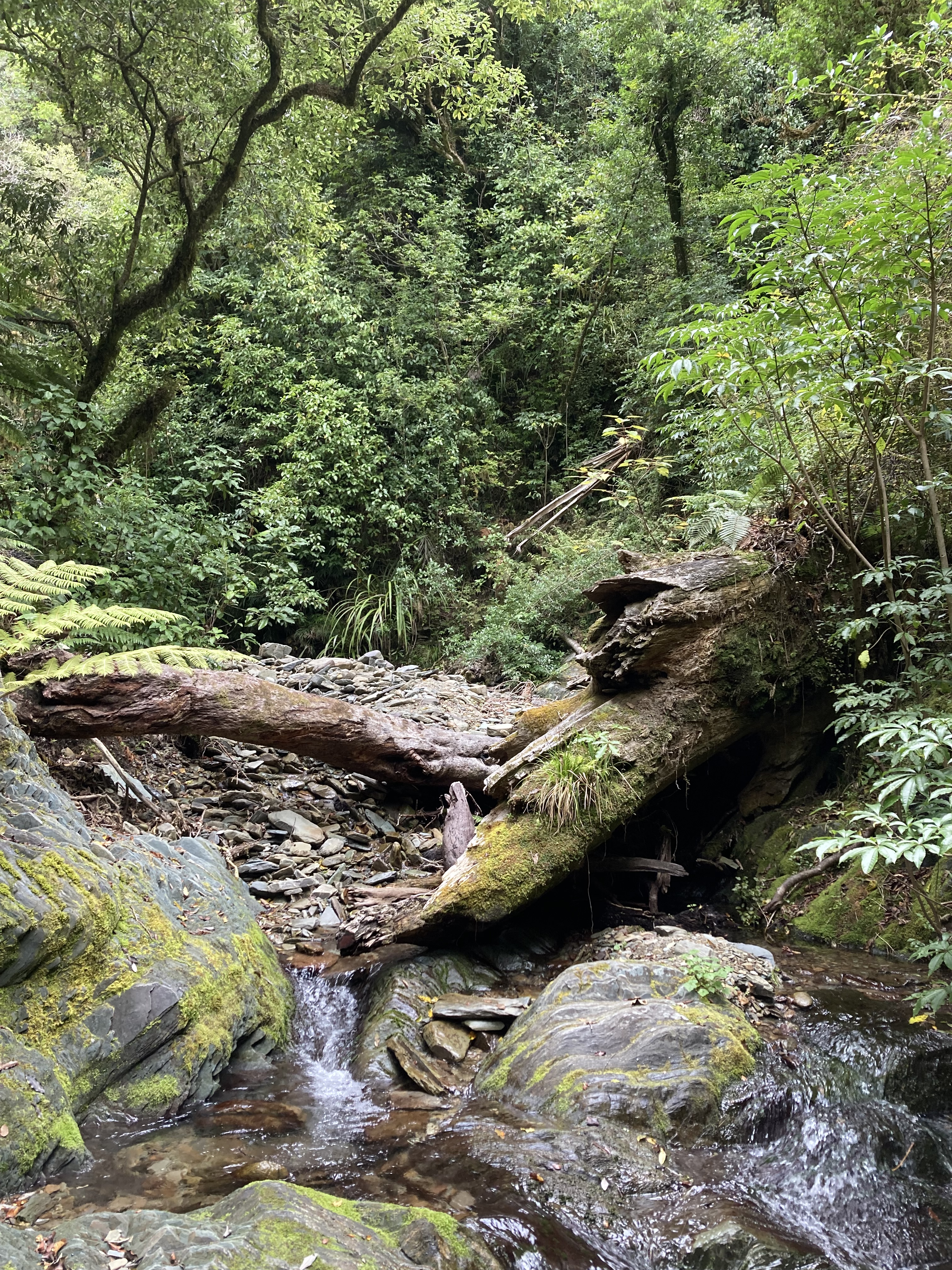
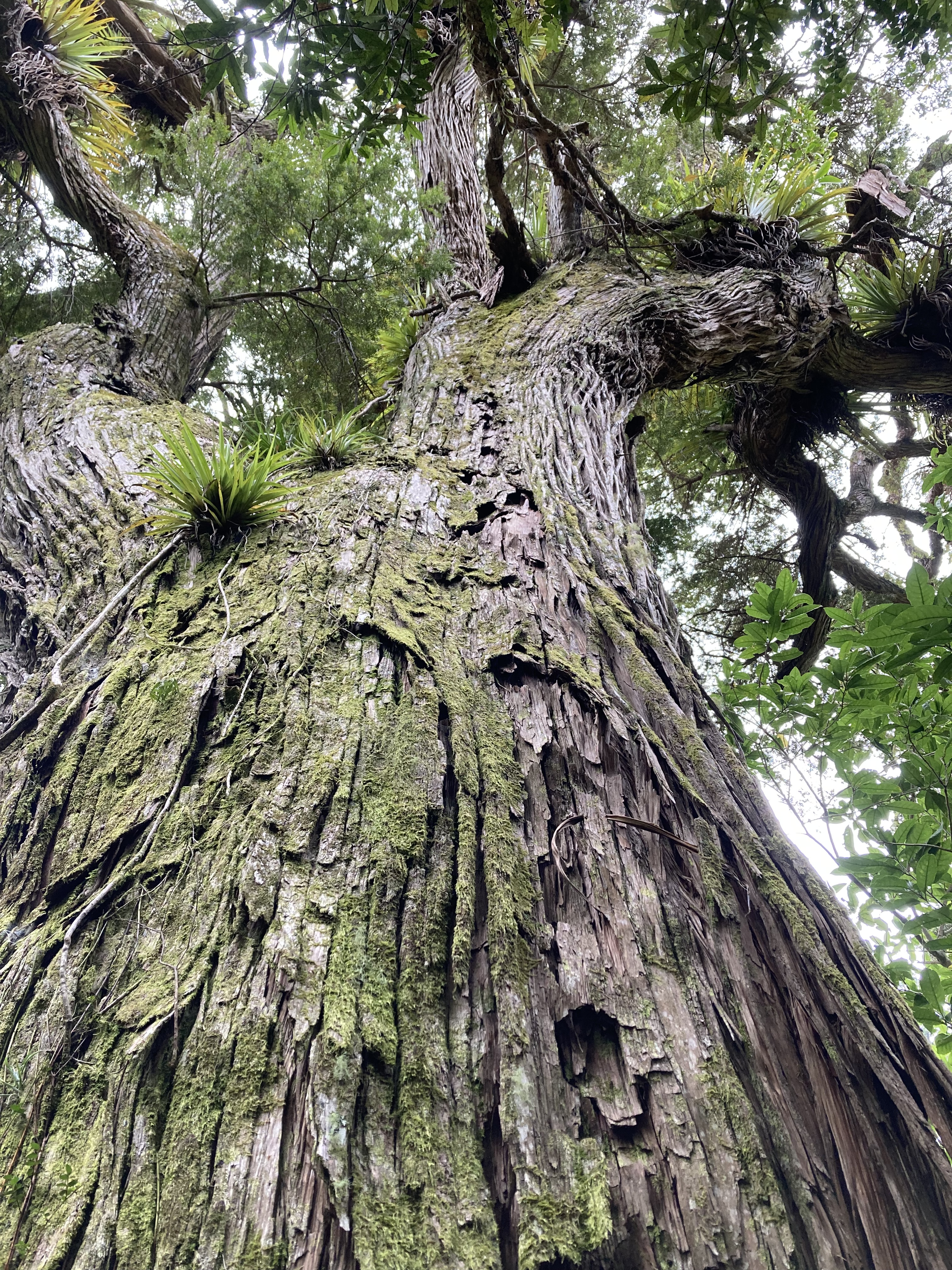
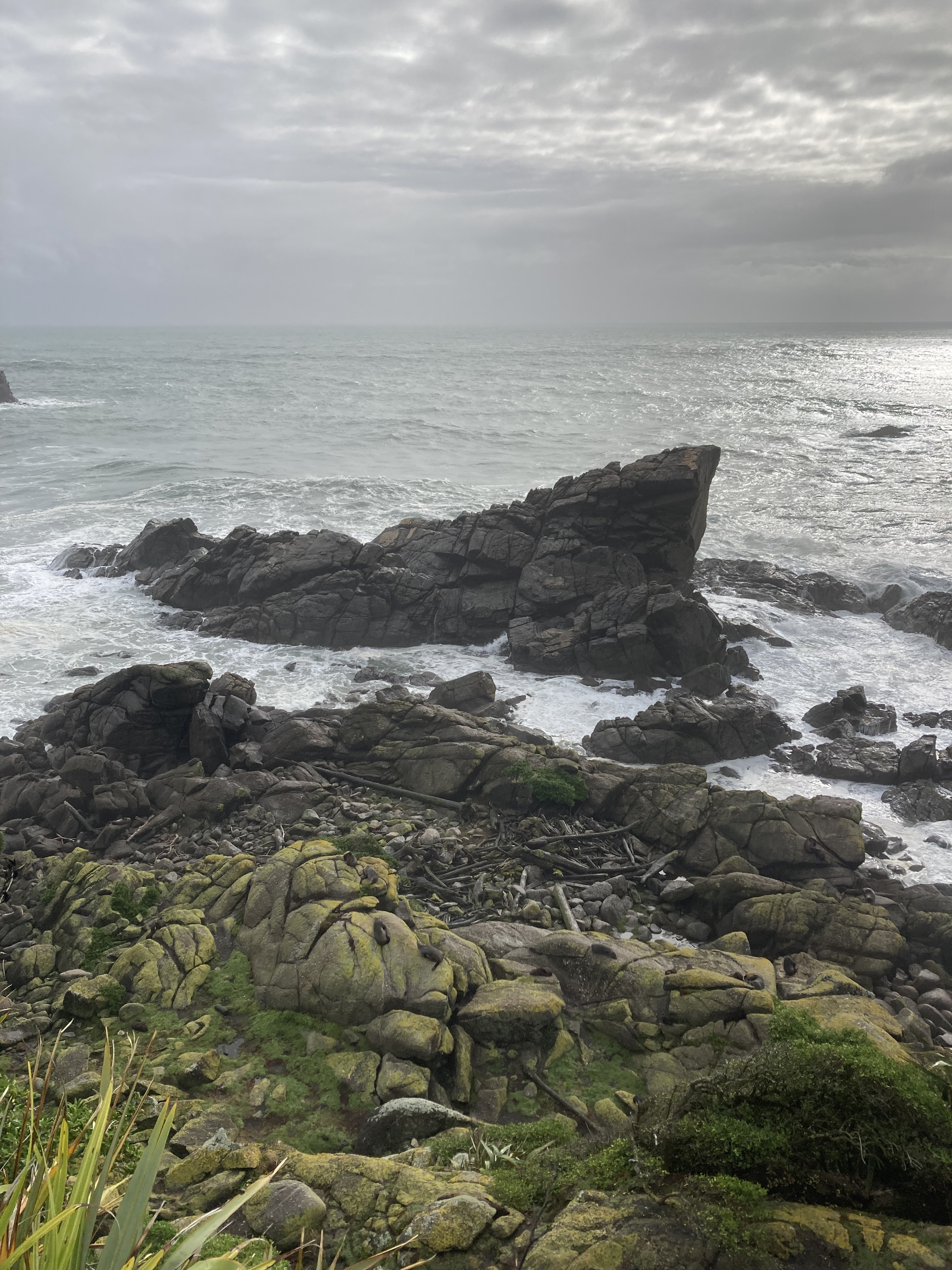
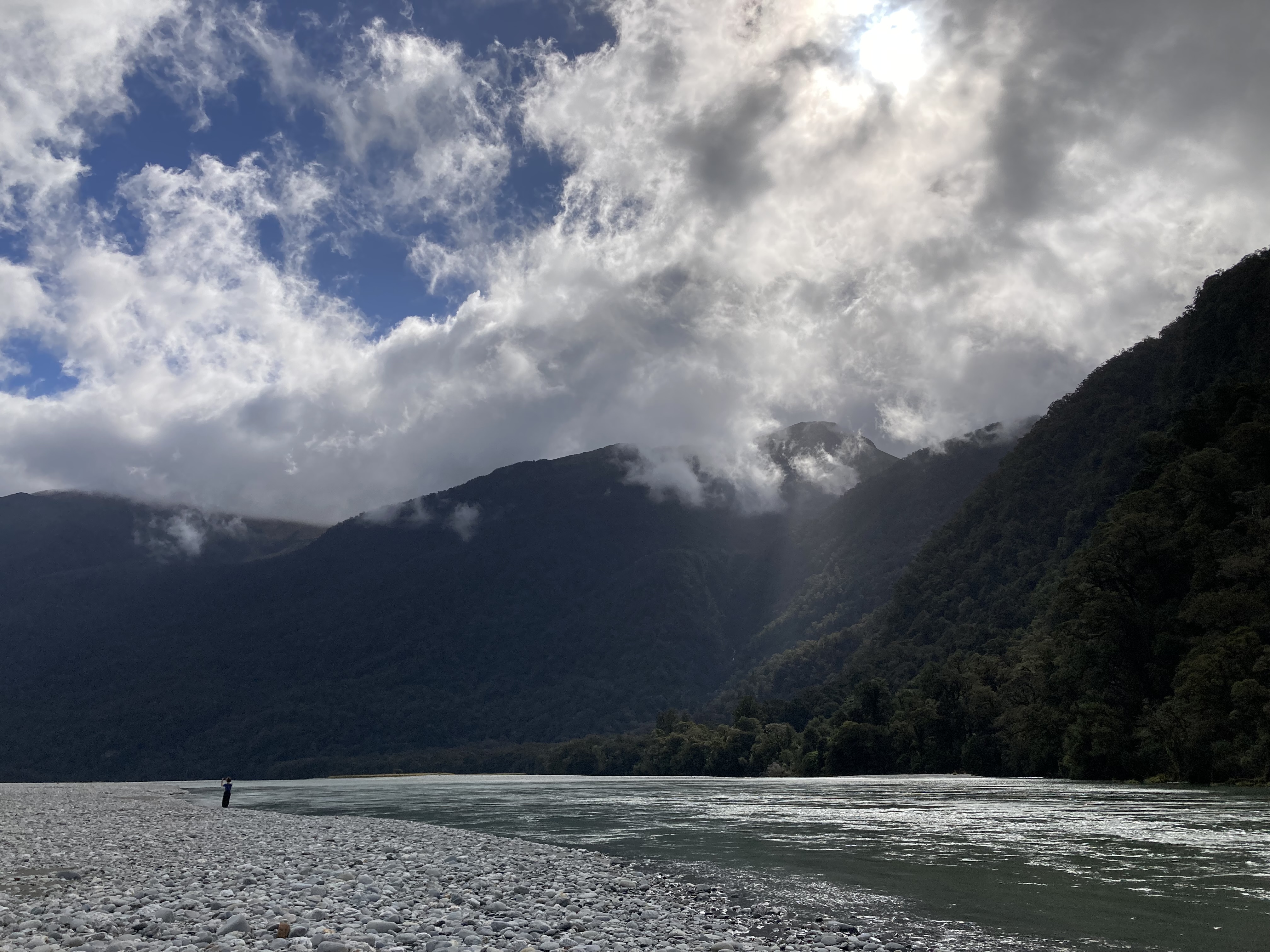
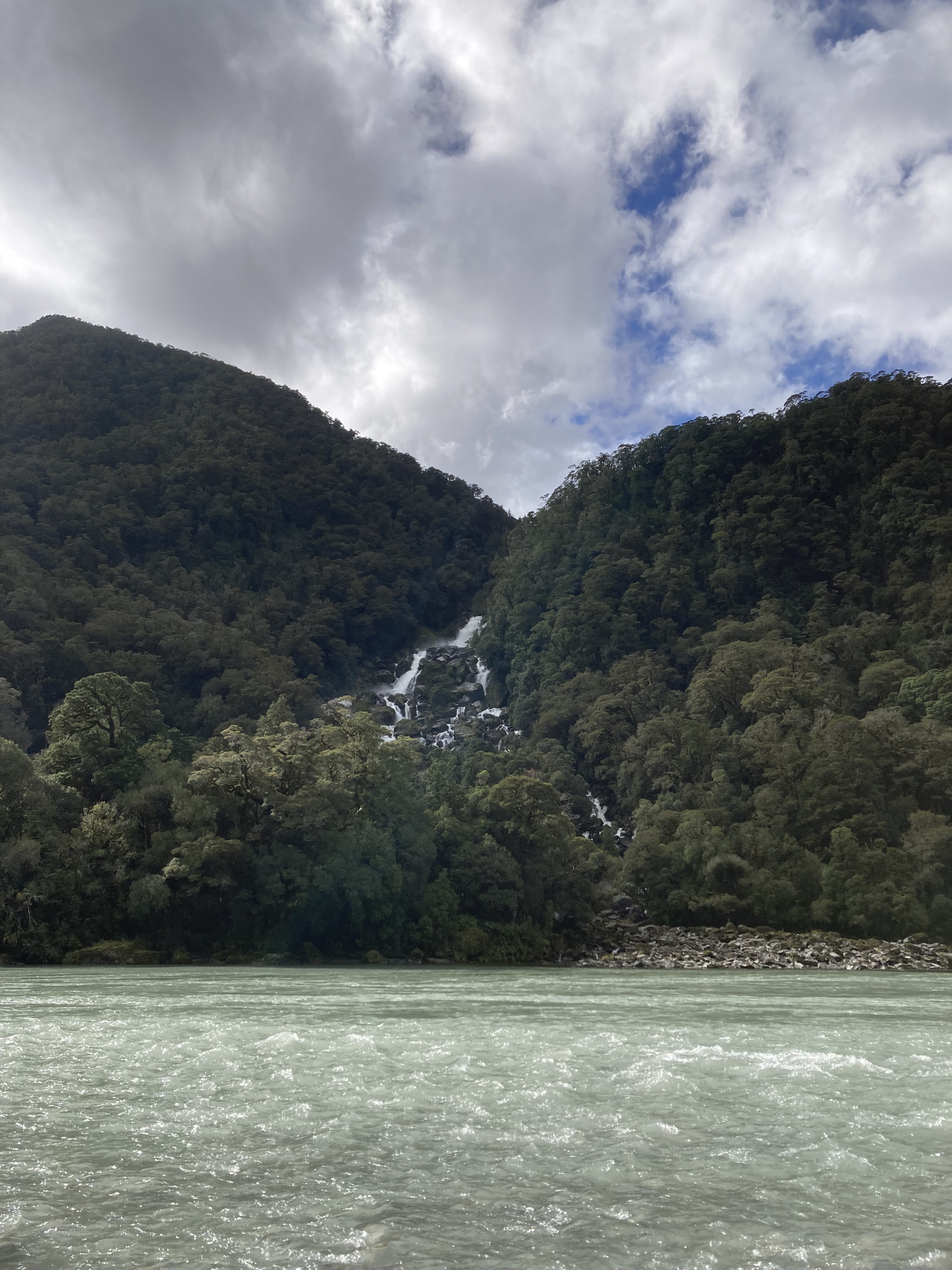
But something tells me that, at least in New Zealand, the right will not be successful in achieving their desired synthesis either. Throughout the rest of the South Island, Adrienne and I saw countless wonders that affirmed how New Zealand’s commitment to protecting the natural world is likely to great to overcome by any one government. We passed through lush landscapes in Motueka and derelict train tunnels on the Hope River. Gazed in awe at the Pancake Rocks of Paparoa National Park. At Cape Foulwind, we observed seal colonies, our hearts swelling with joy as the pups waddled amidst slick stones and surging surf. And while on the Hasst River and throughout Mount Aspiring National Park, we heard Howard Shore’s iconic LOTR themes while scrambling over bone white rocks adjacent to thundering waterfalls.
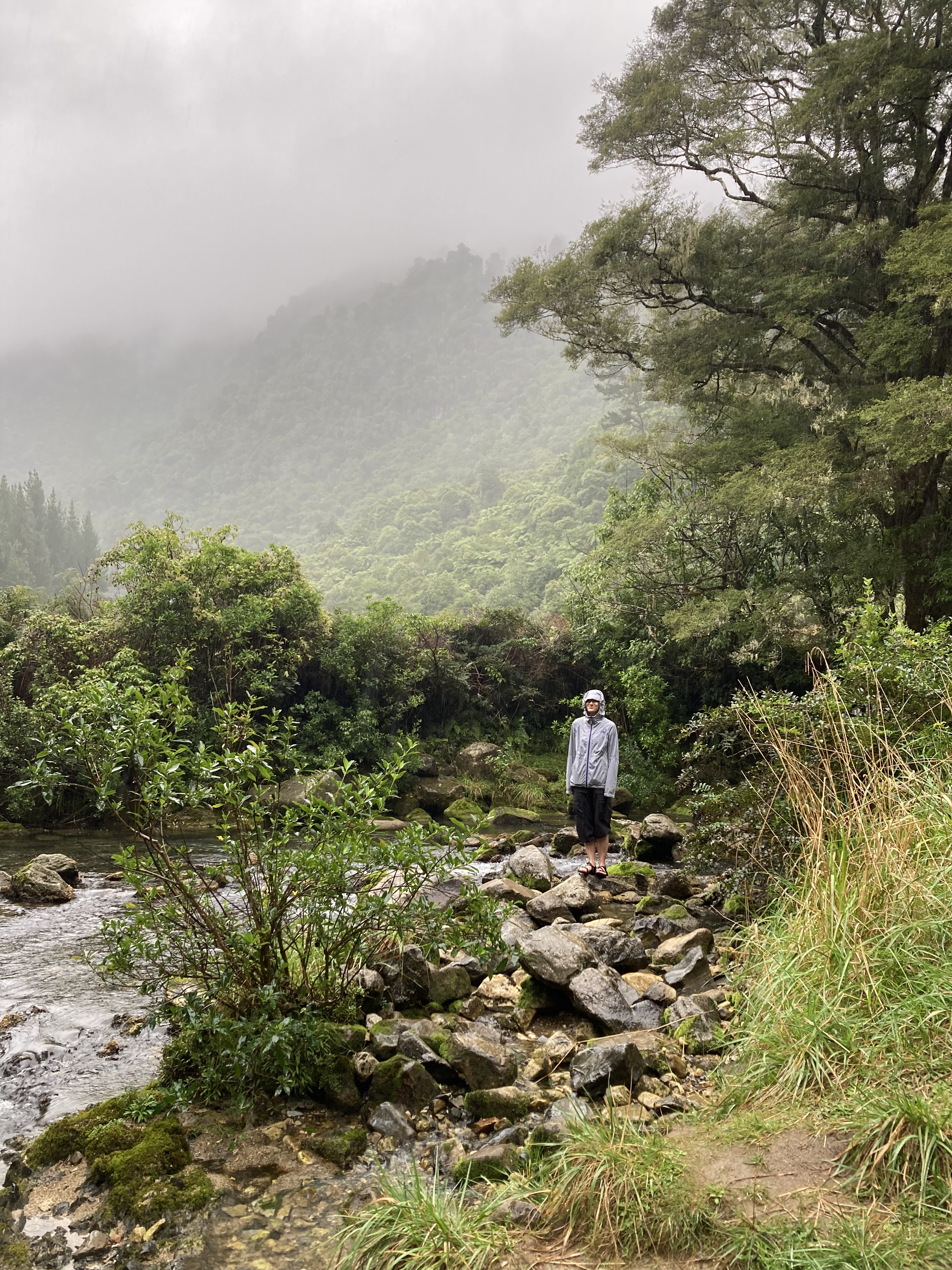
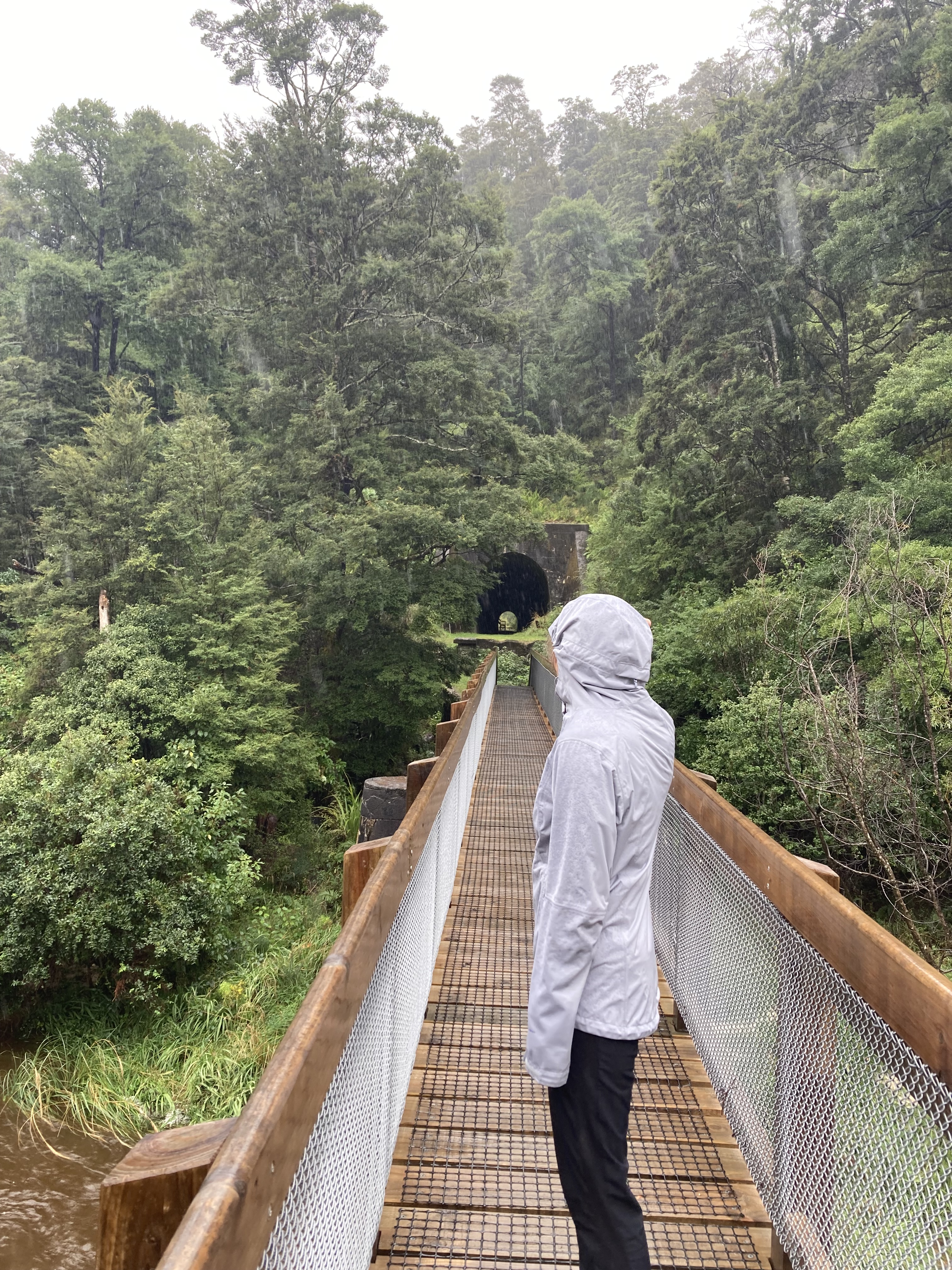
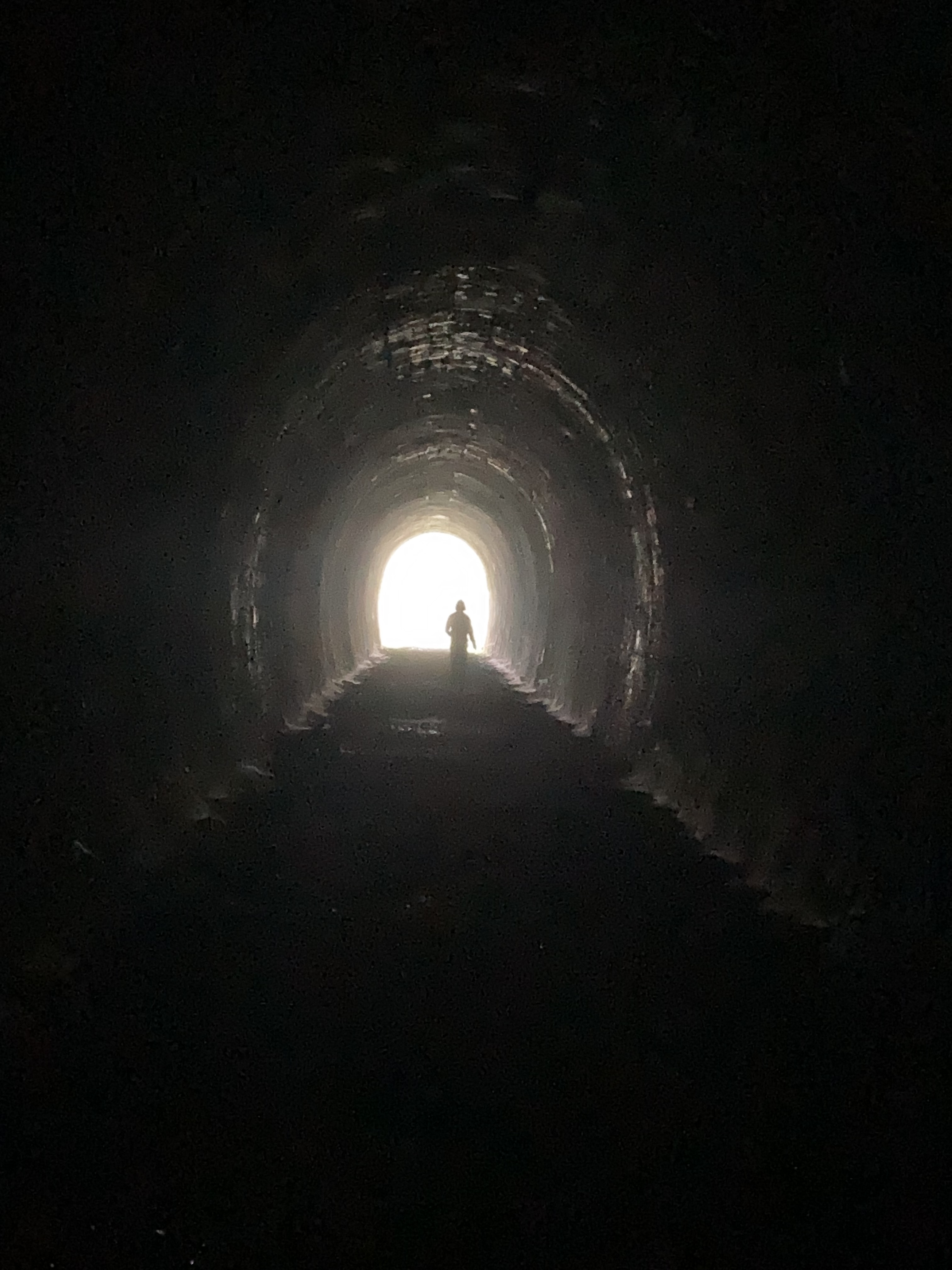
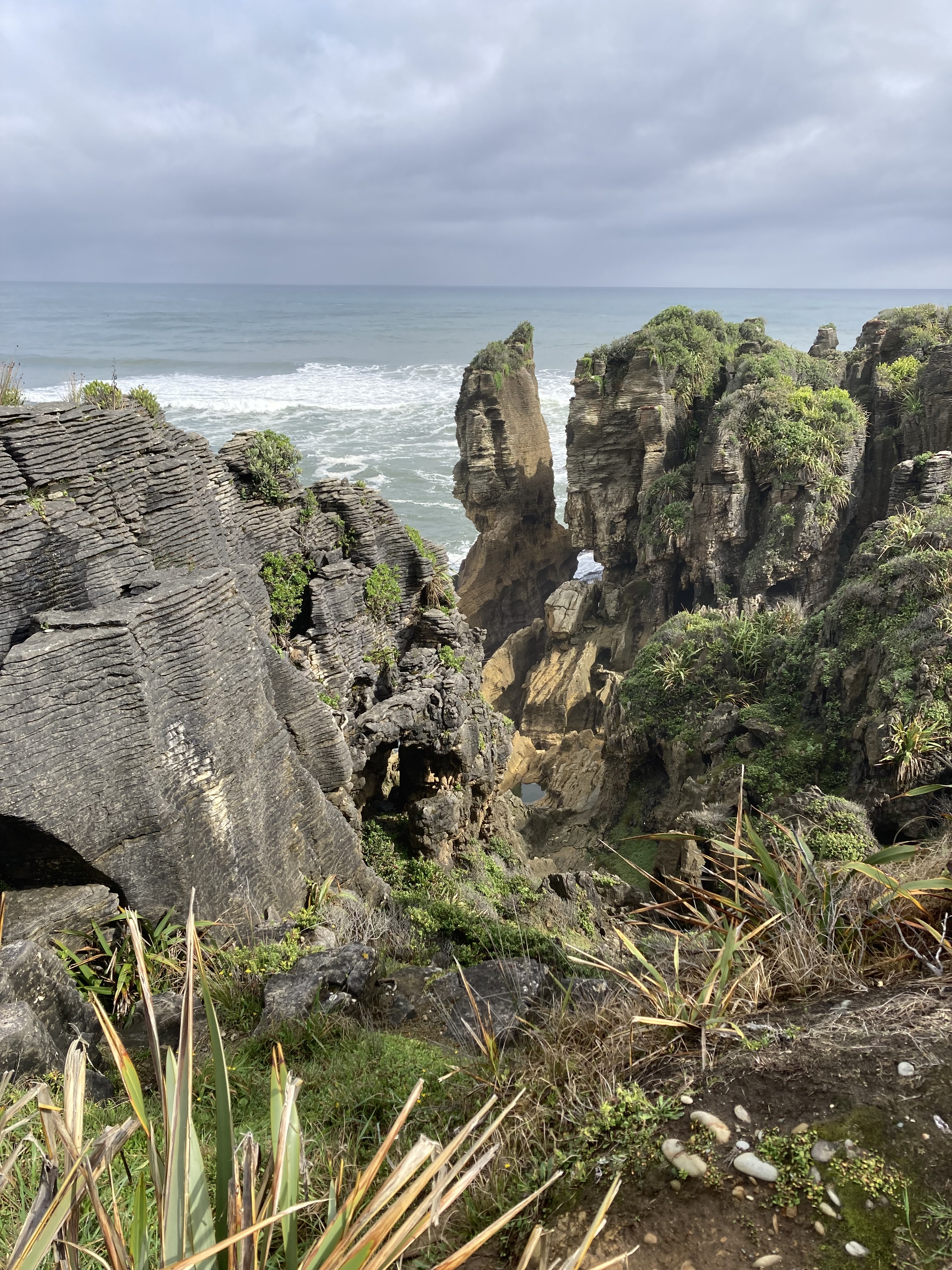
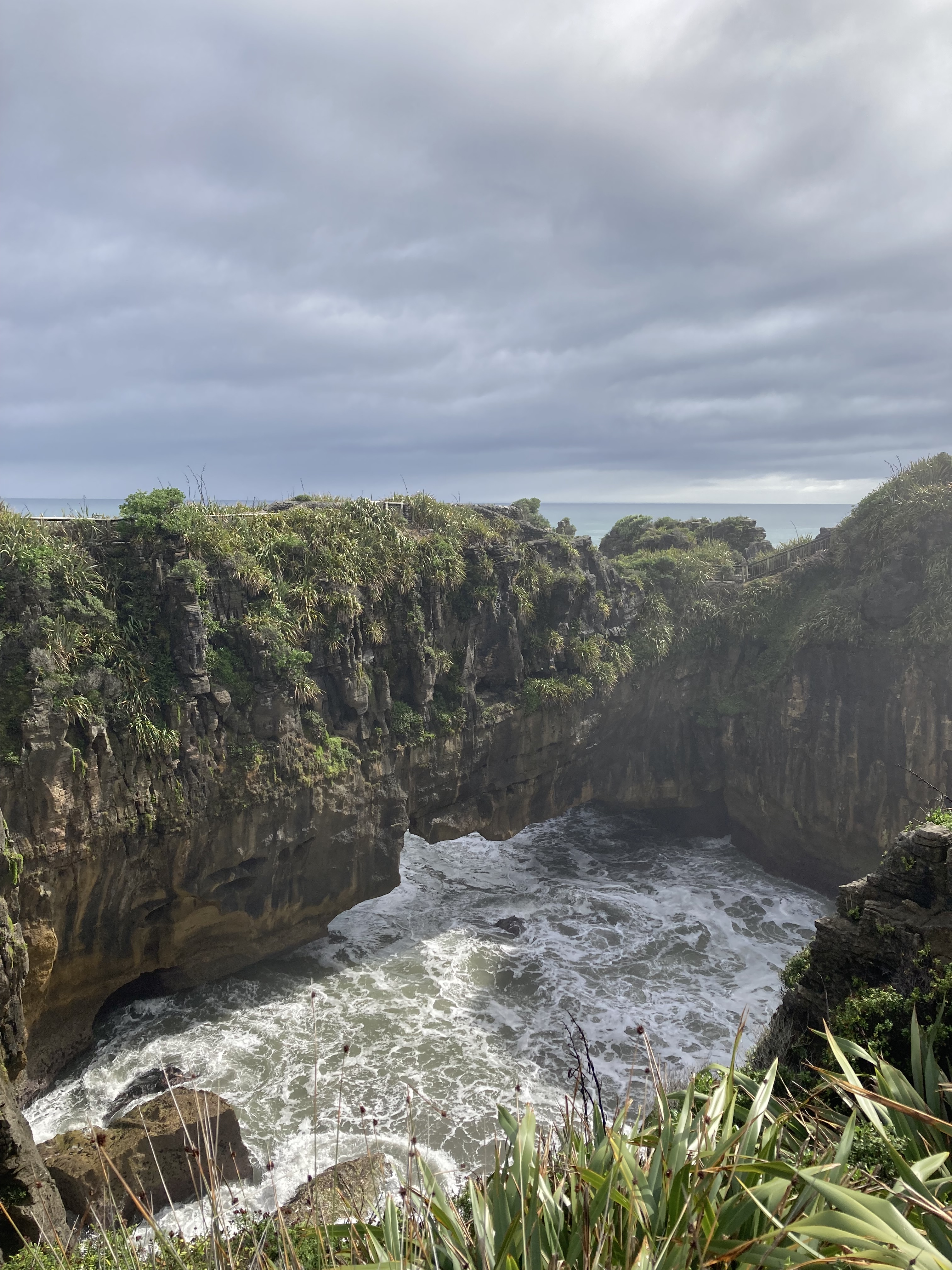
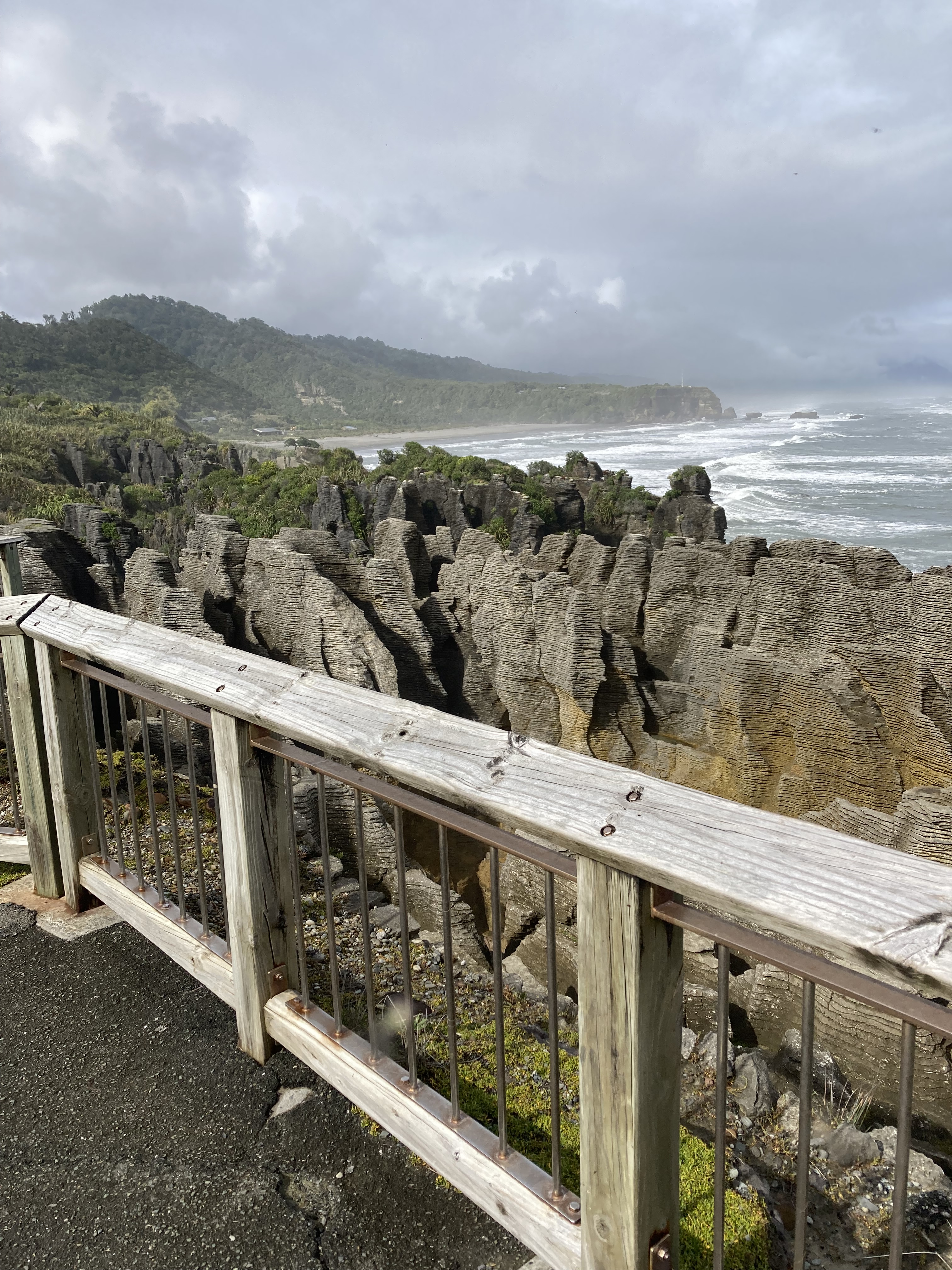
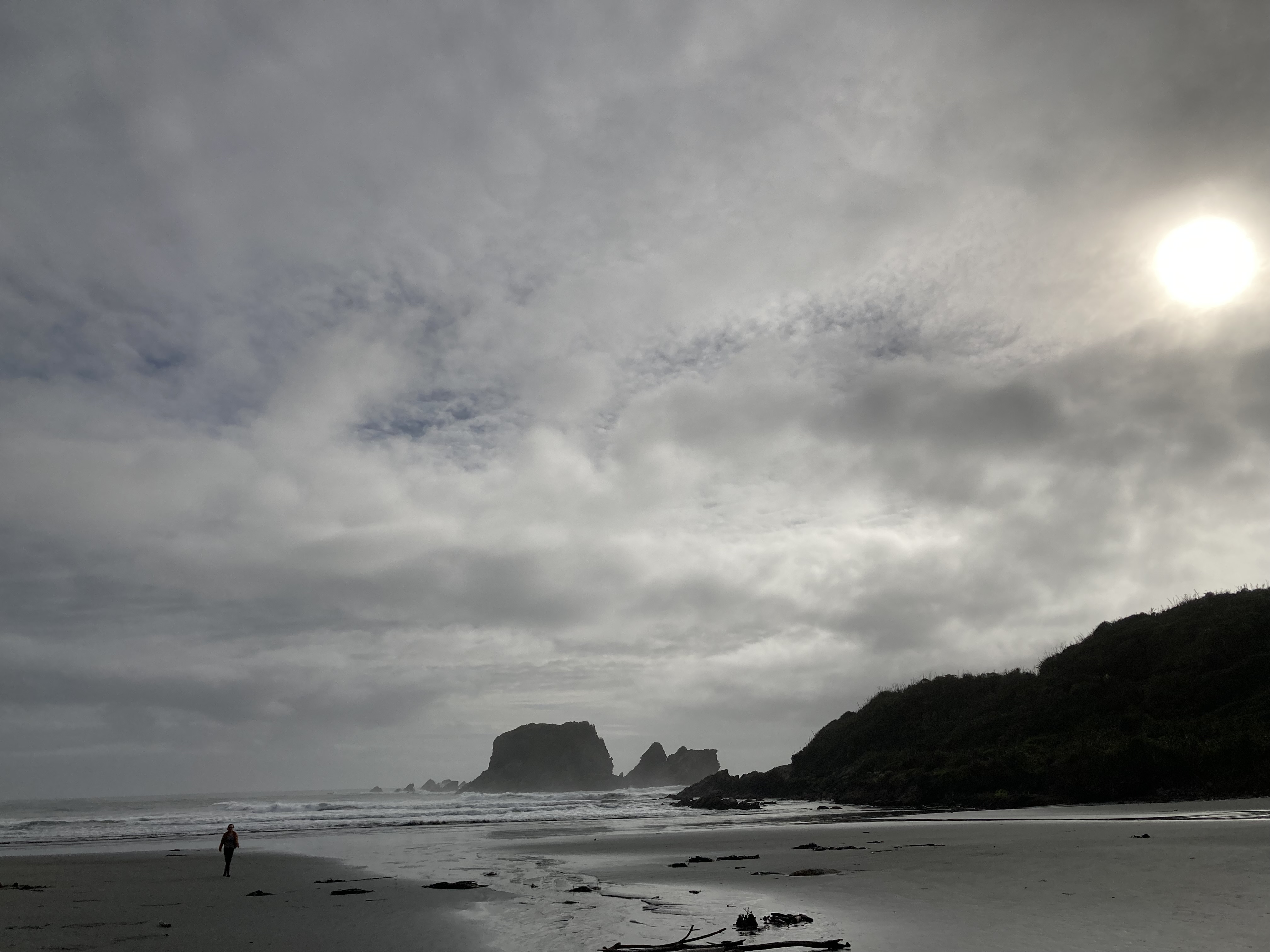
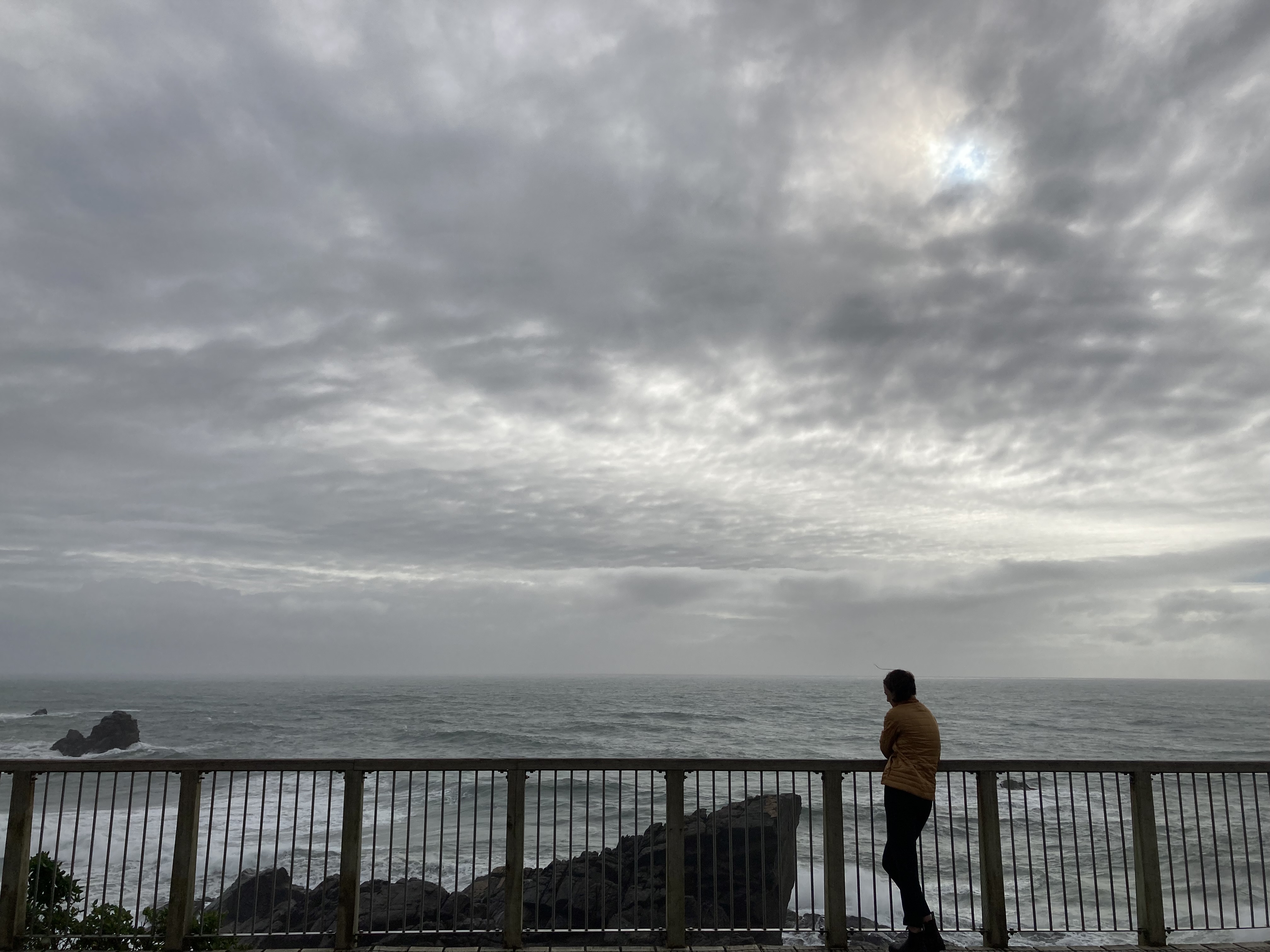
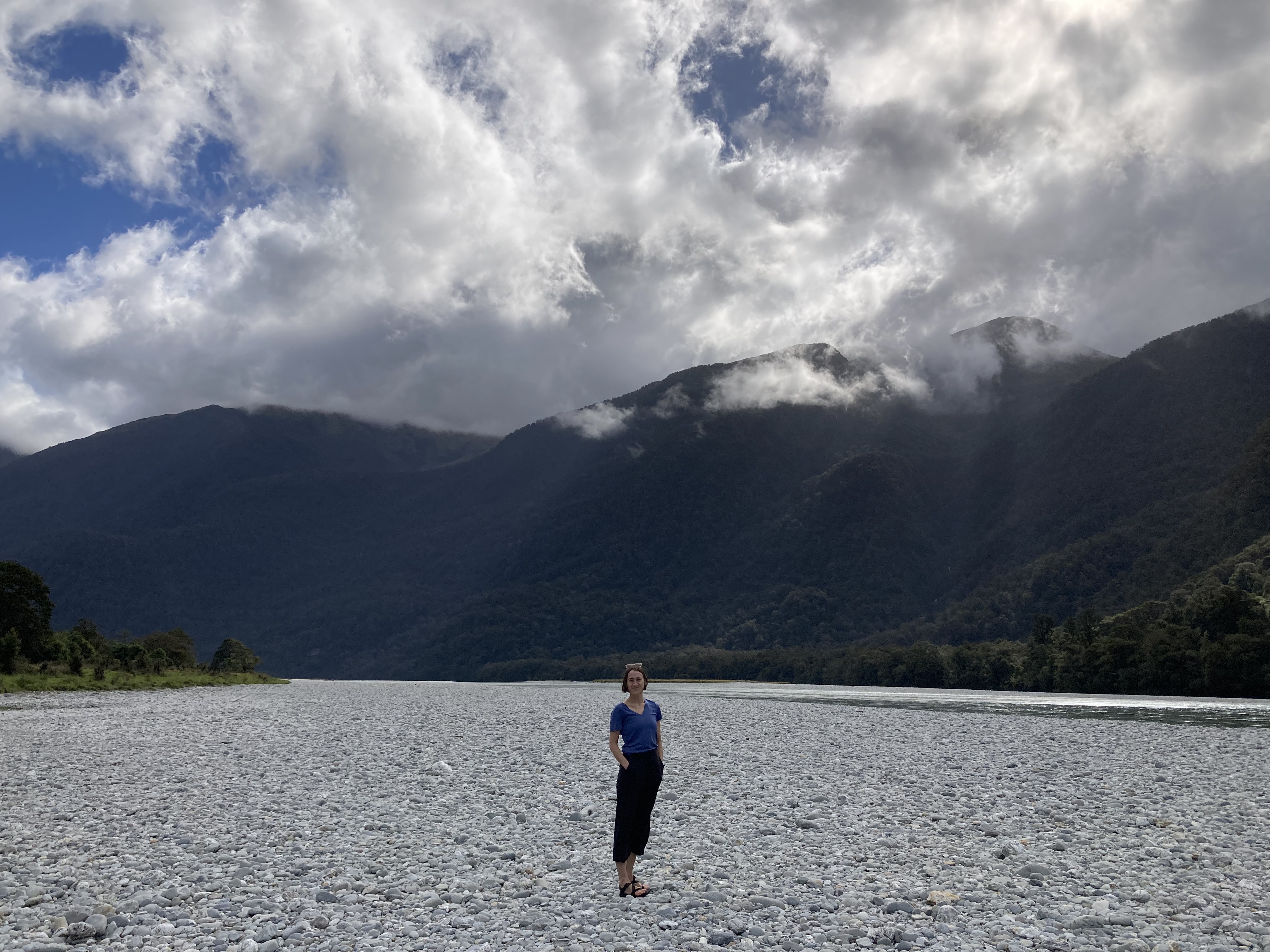
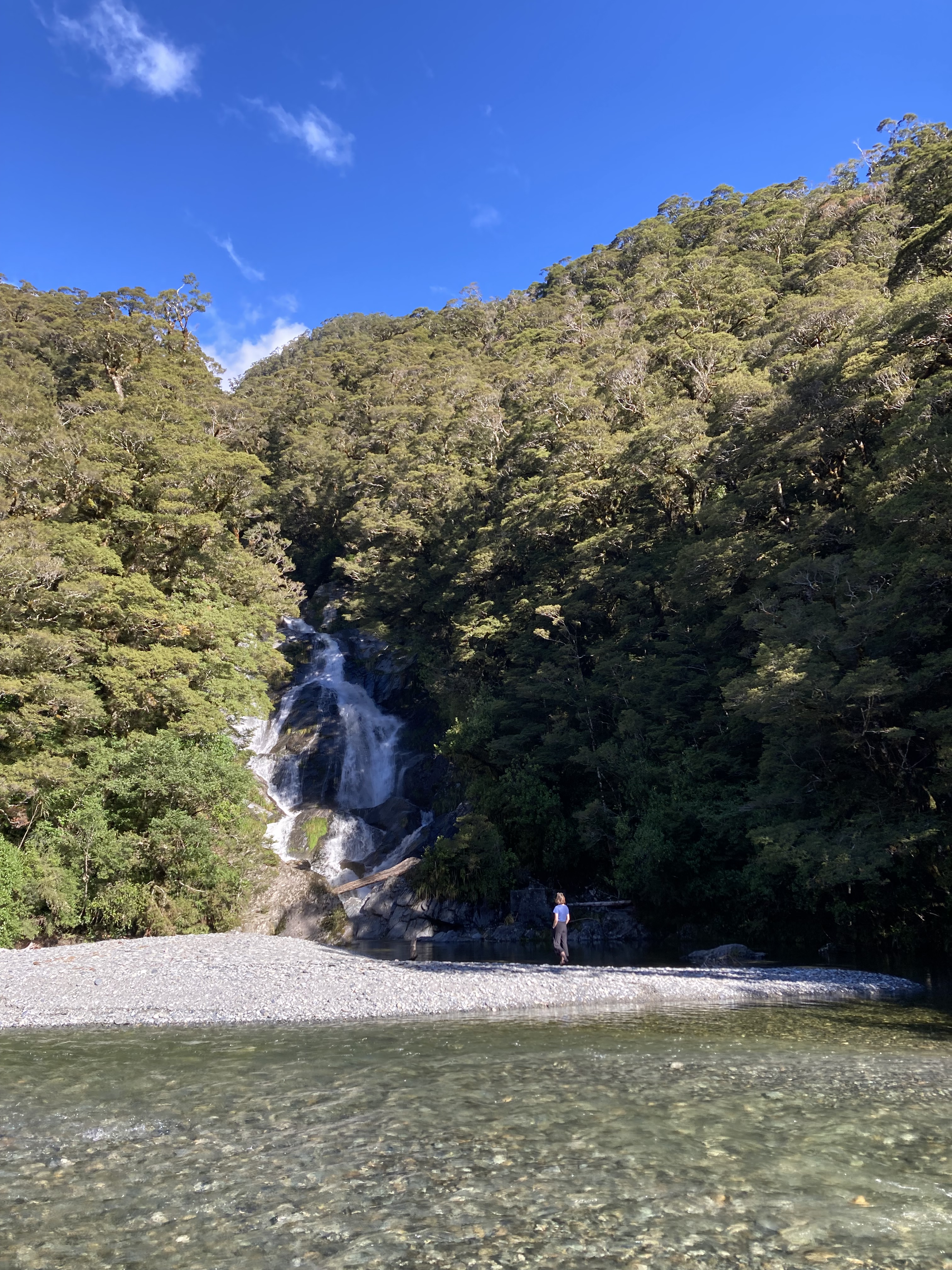
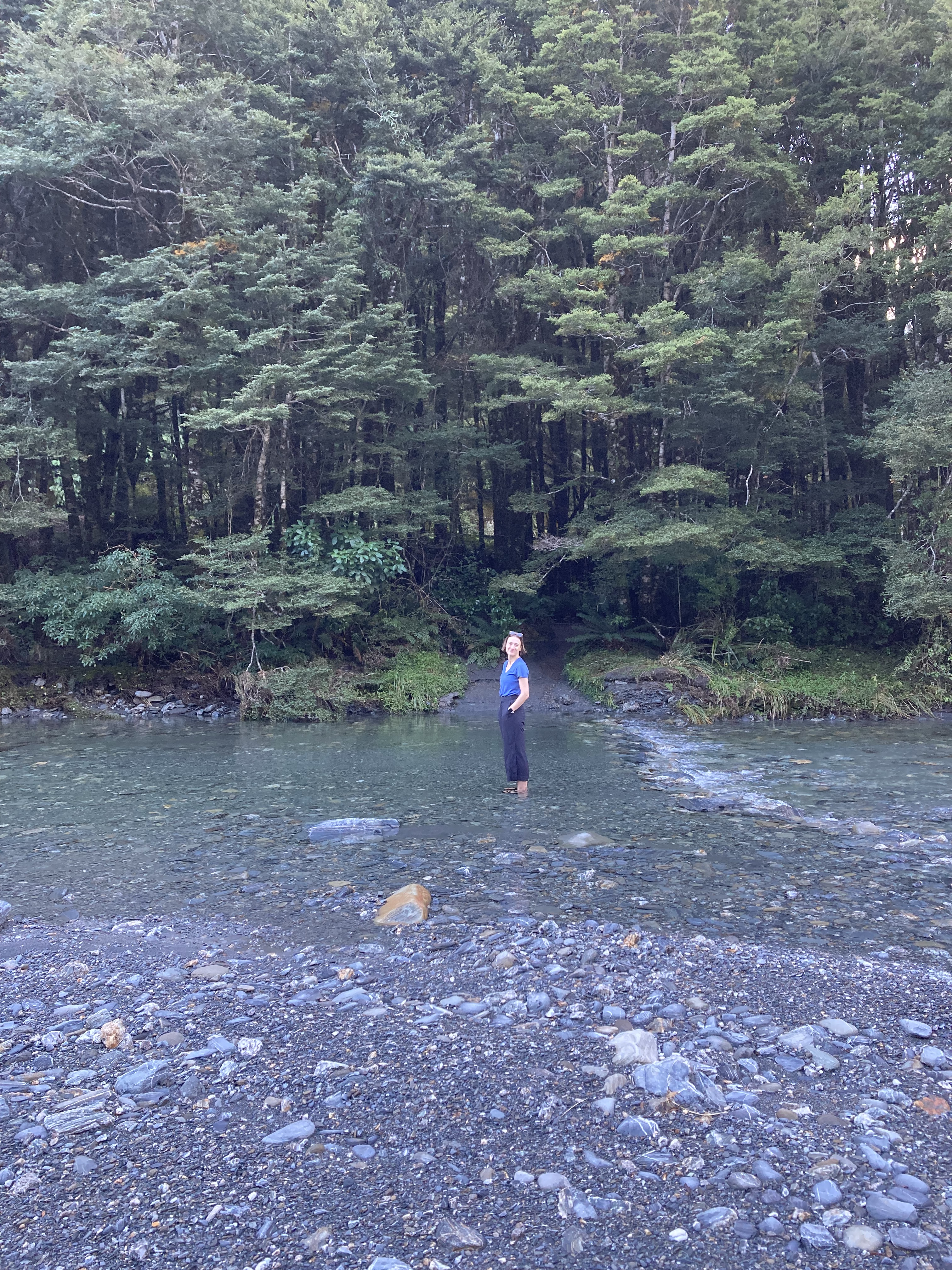
We also encountered fascinating exhibits that were unequivocally skeptical of the past the current government wants to bring back and supportive of a multicultural future. There was the constant promotion of the Māori language, culture and contributions at seemingly every public place we passed. Then there were specific historical sites we toured like ShantyTown in Greytown and the Chinese Rural Village of Arrowtown. Both sites were unabashedly open about the isolation, marginalization and outright racism faced by minority groups such as the Chinese community that came to New Zealand during the Gold Rush. Despite this darkness, I found both sites triumphant: a testament to the Chinese’s ability to build community over adversity.
No experience though brought both themes to the forefront like our trip to the UNESCO World Heritage site known as the one and only Milford Sound. The backdrop for several large movie productions starring Hollywood weirdos, including Alien Covenant and Mission Impossible: Fallout, Milford Sound really has to be seen to be believed. Our guide did a fantastic job of not only getting us safely to the Sound but also giving us context for Fiordland National Park (where the Sound is located).
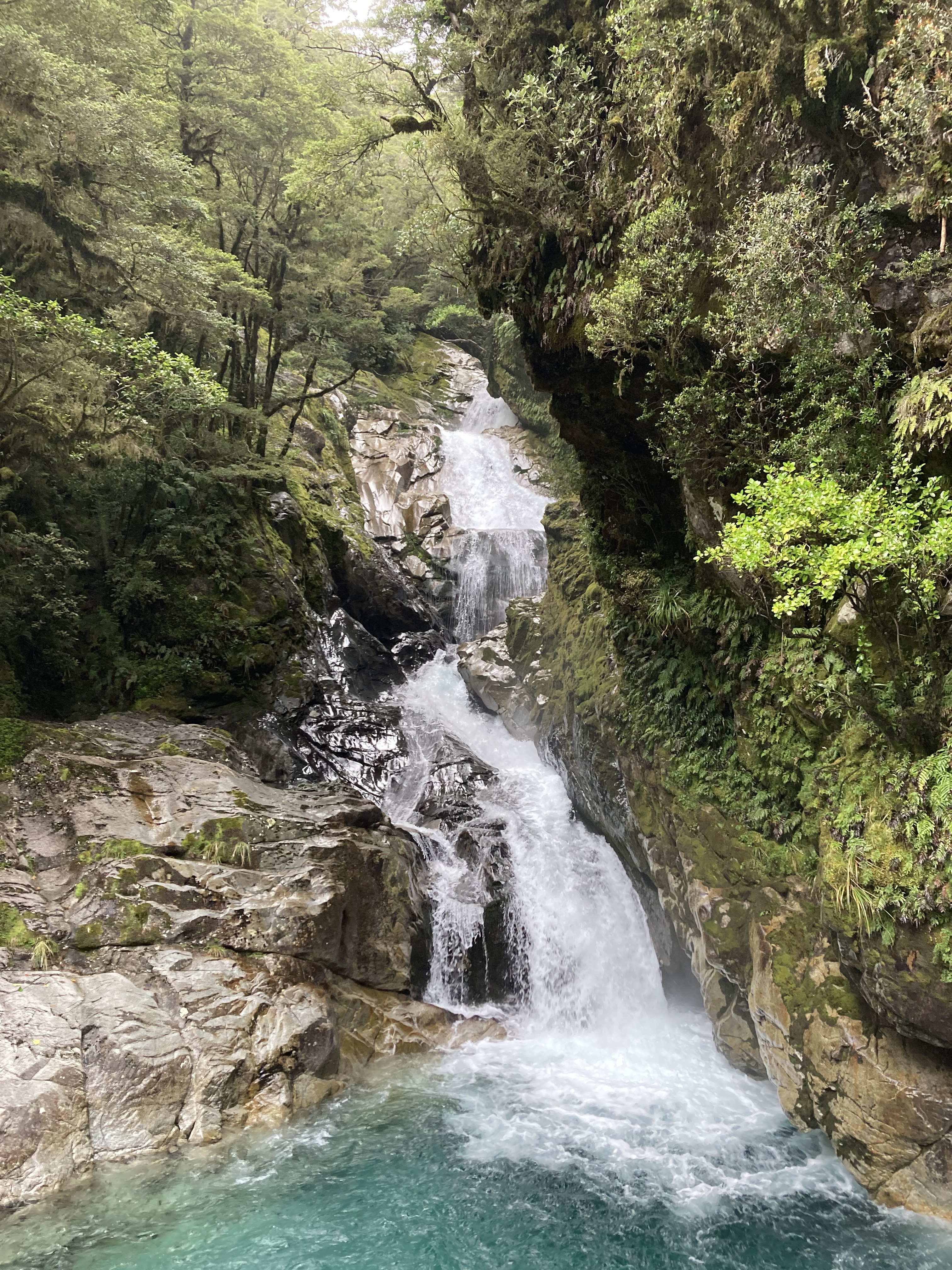
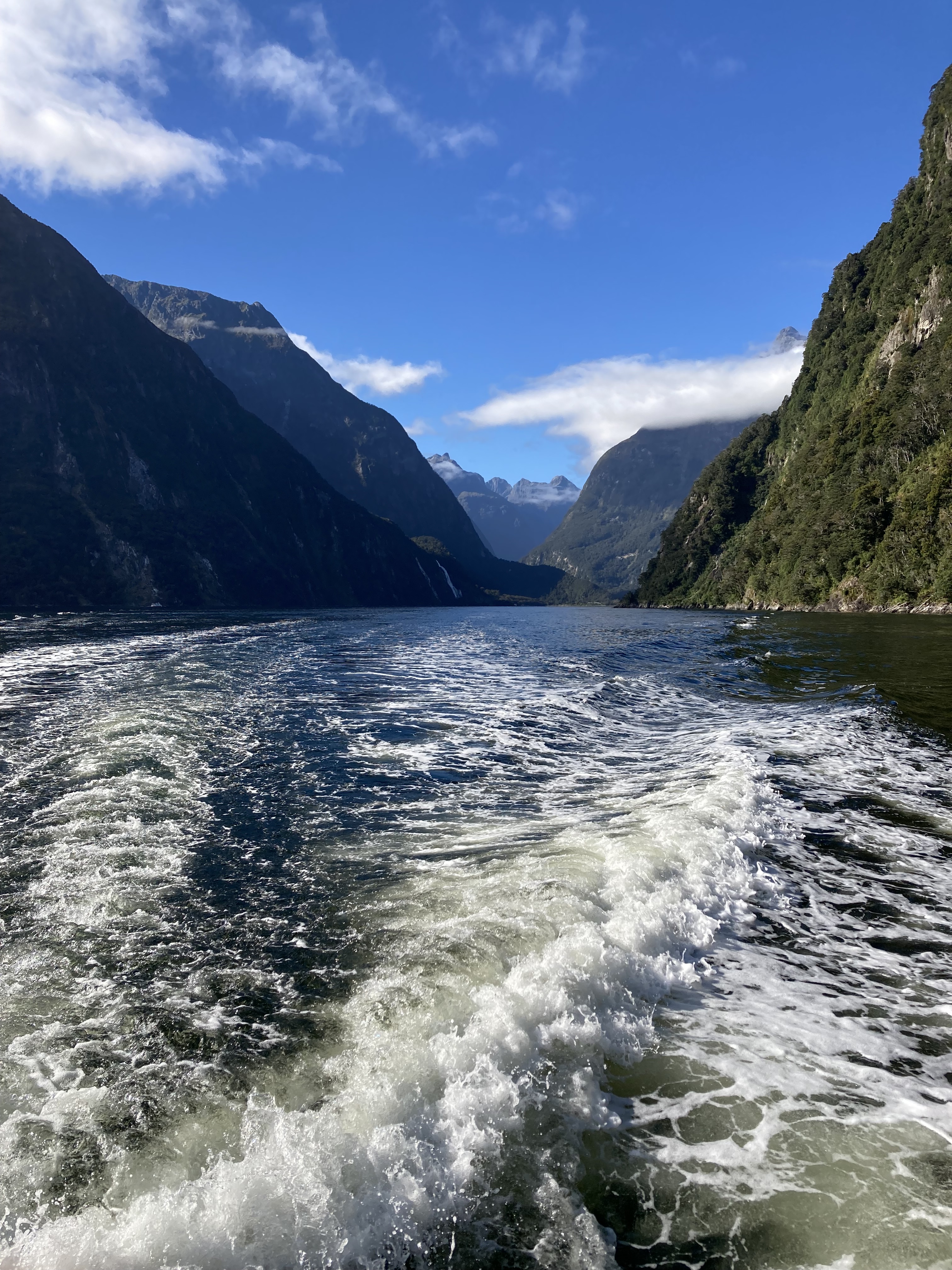
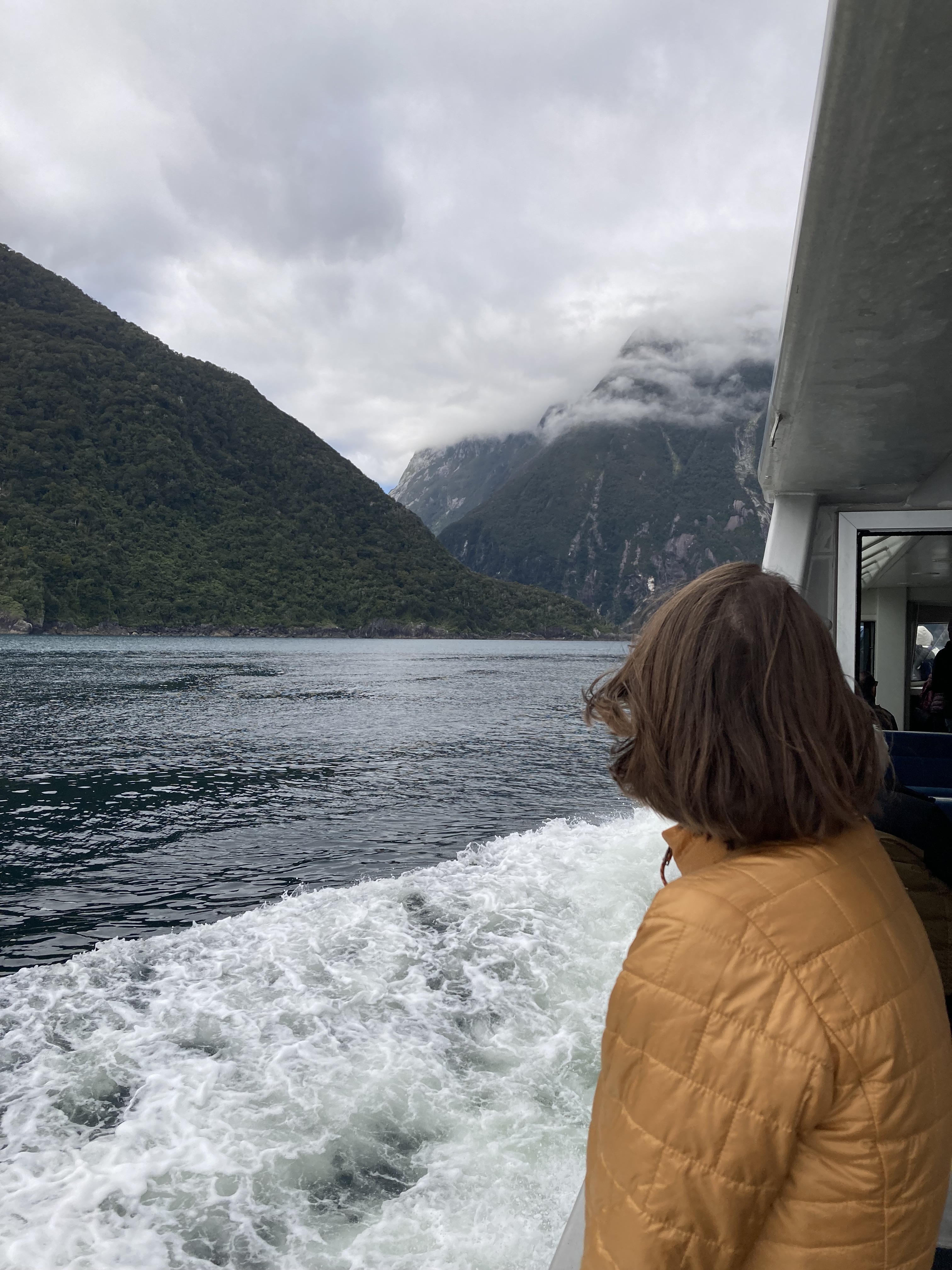
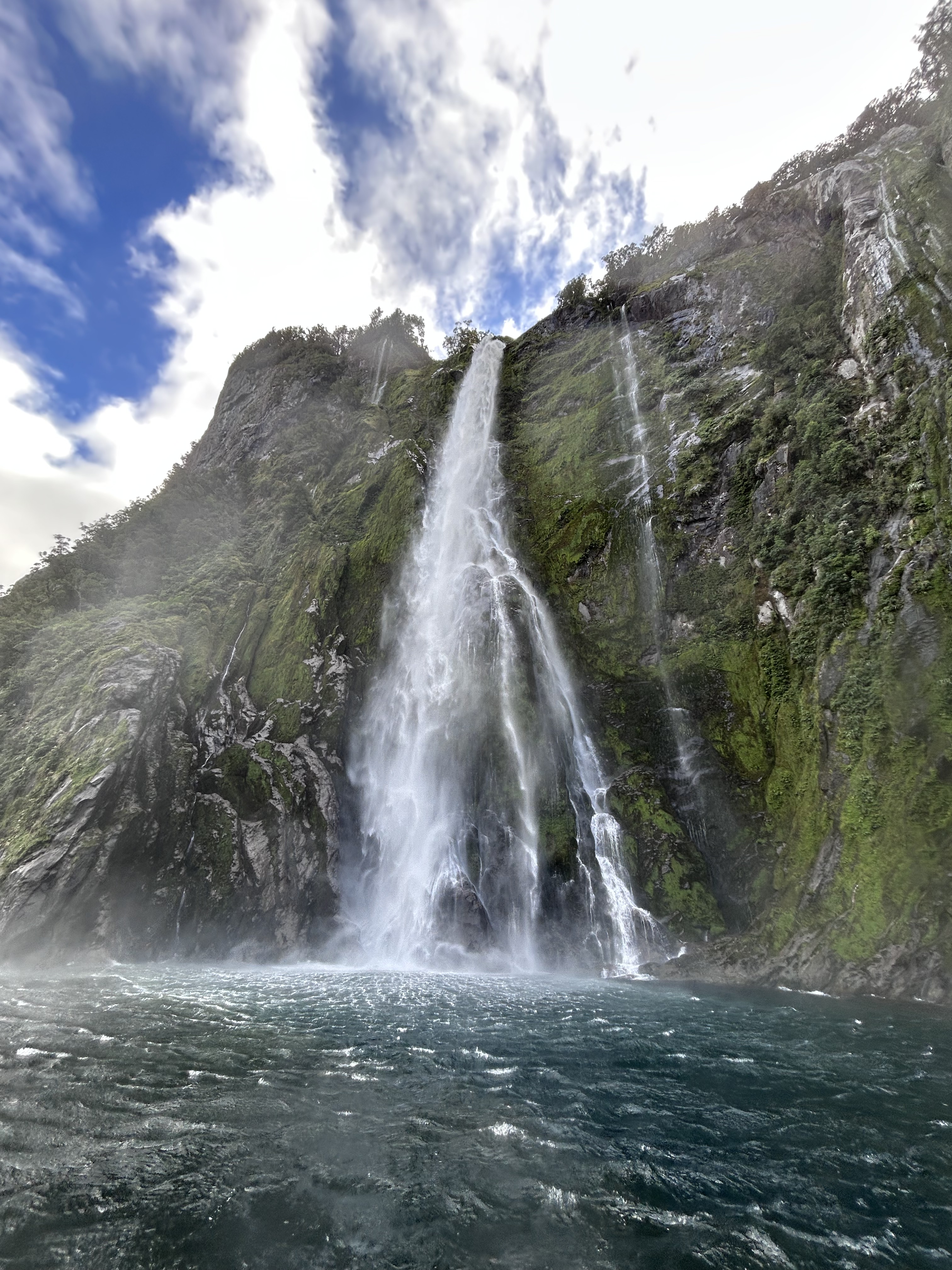
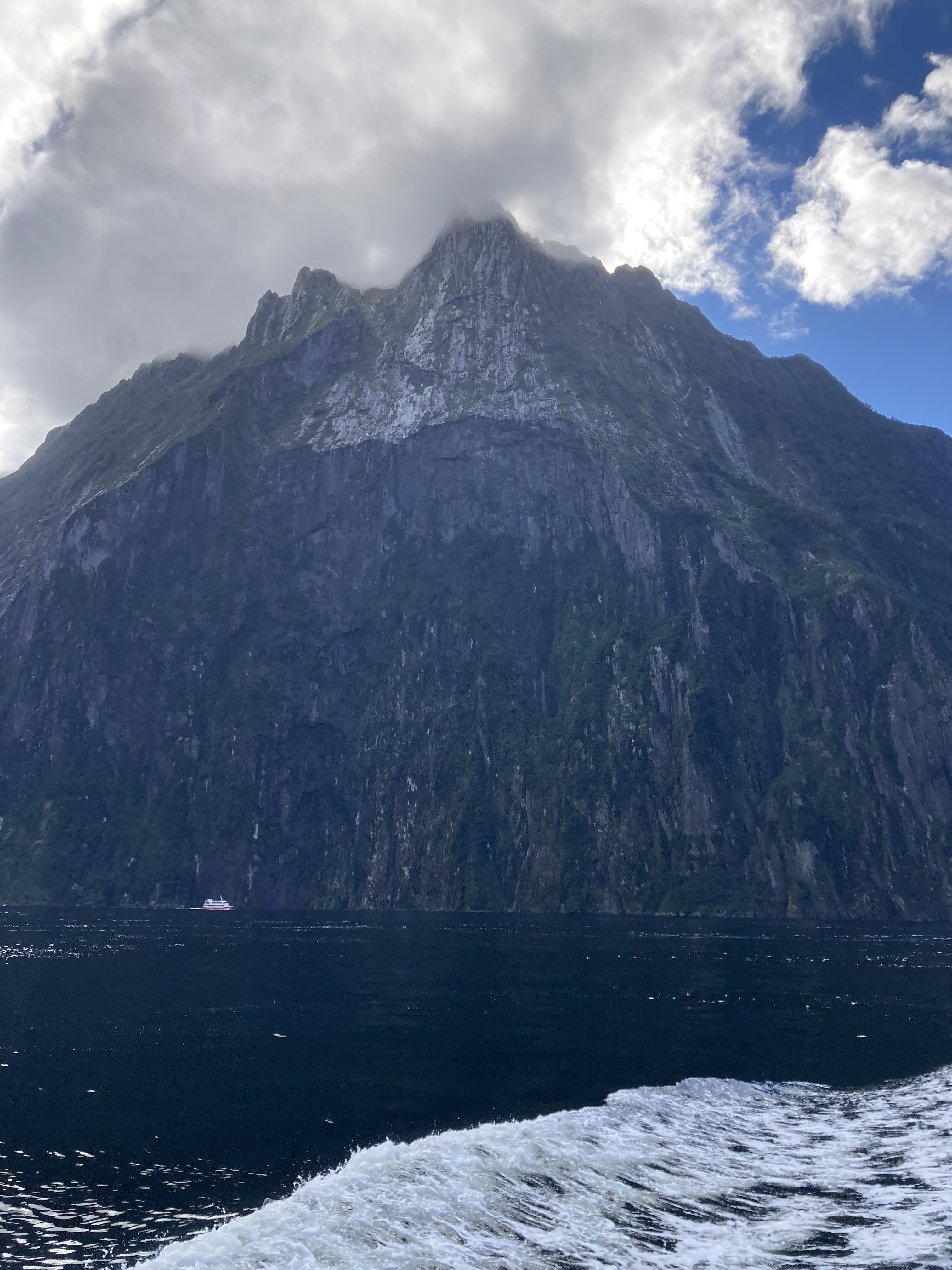
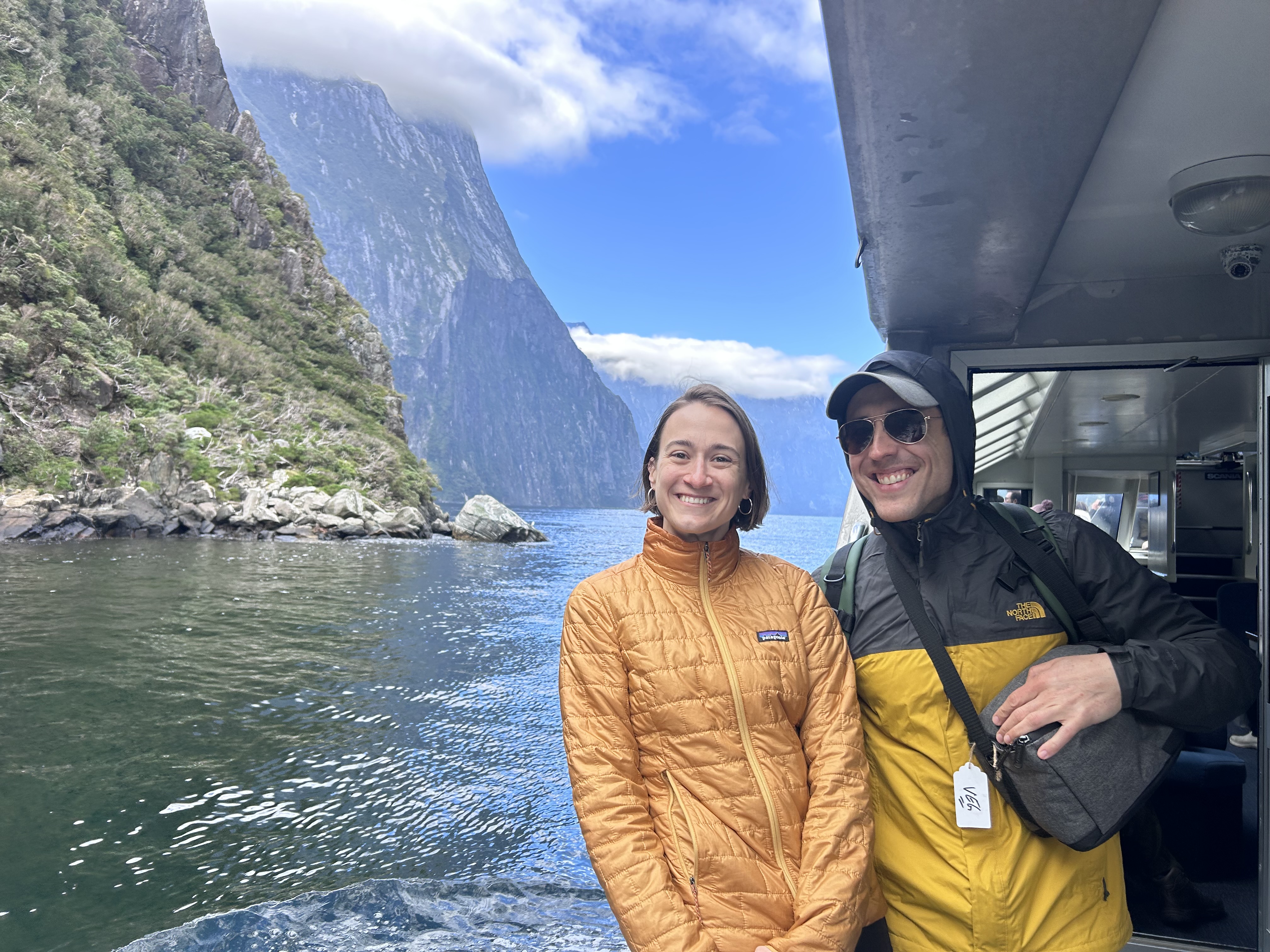
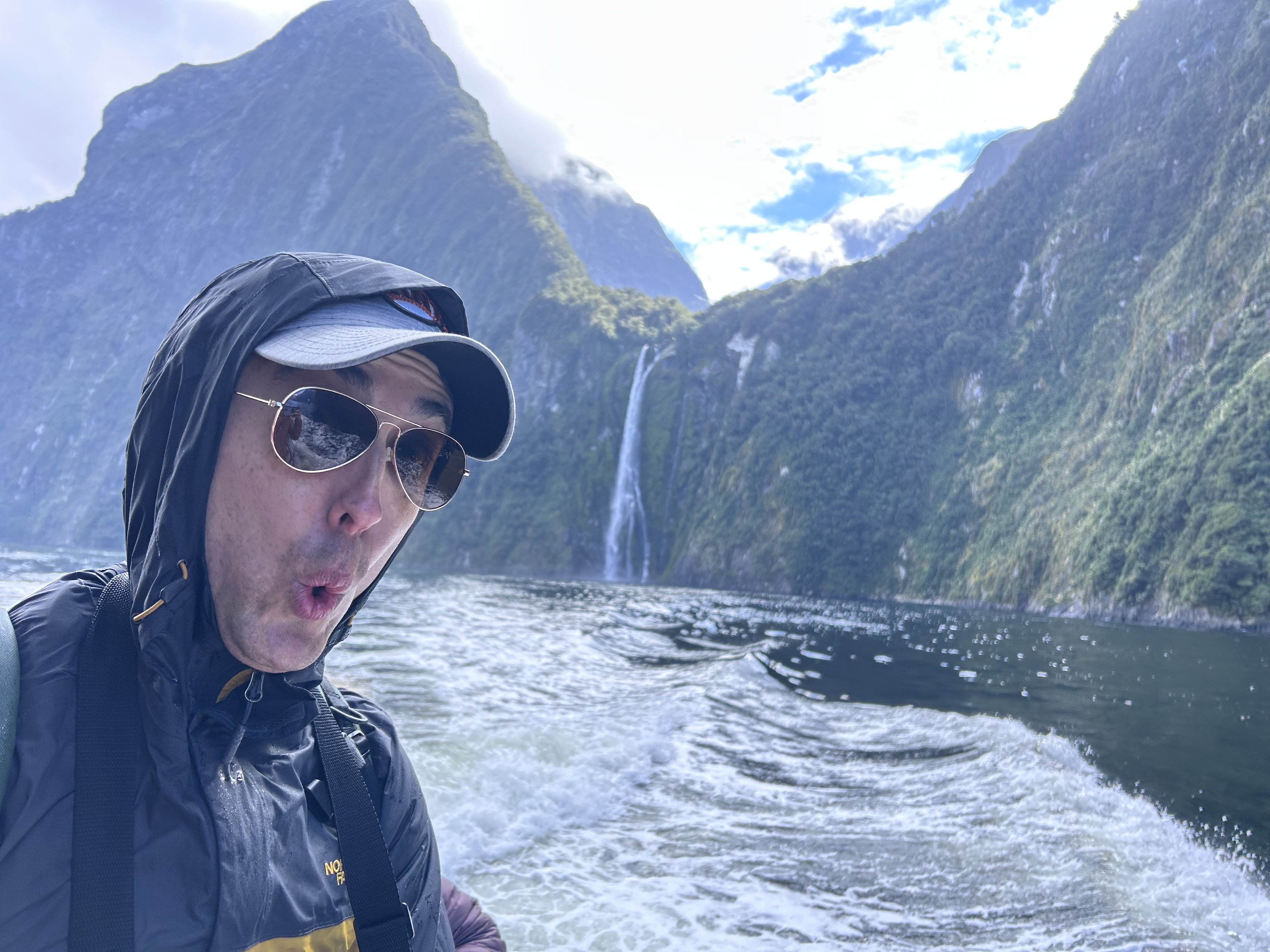
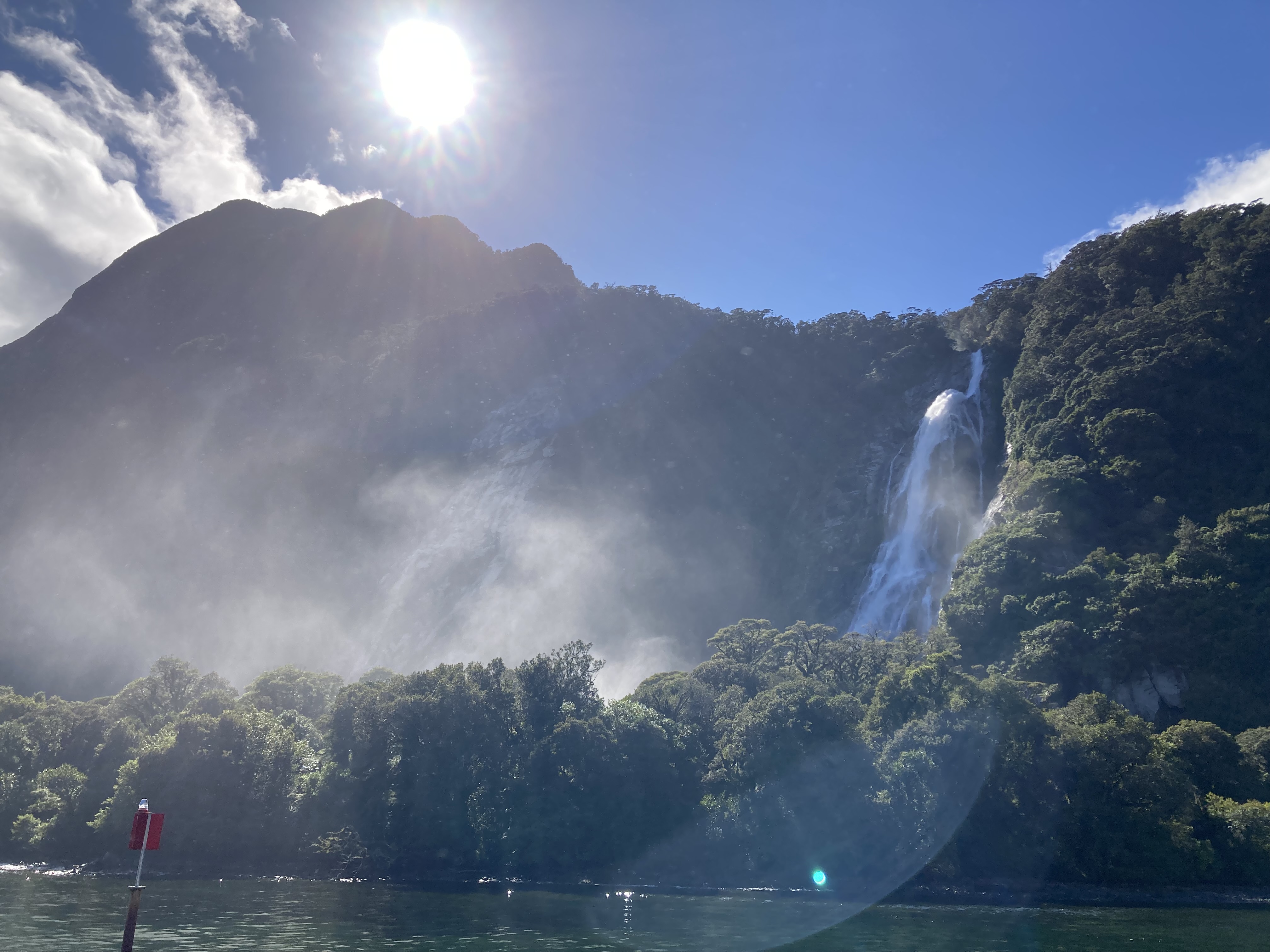
I learned from him that the protected Park area is bigger than some U.S. states like Rhode Island and Connecticut. In addition, I discovered that the Māori also have tribal authority and guardianship over the entirety of the South Island due to the 1998 Ngāi Tahu Claims Settlement Act. As a result of the treaty, the Ngāi Tahu, the main tribe of much of the South Island, received a formal apology, financial restitution and a greater role in cultural and environmental decision-making across the South Island. None of this makes up for the past but shows how New Zealand’s cultural and natural commitments have been backed not just by mere talk but also tangible action and investment.
While we never really wanted to leave the southwest part of the South Island, Adrienne and I were set to fly out of Christchurch. After riding the luge three times in Queenstown (because, as we soon learned, once is NEVER enough), Adrienne reluctantly whipped the car around, leaving dark skid marks across the road. We then began picking our way toward the northeast. Over the next days and nights, we covered hundreds of miles, seeing and experiencing even more that this extraordinary country has to offer.
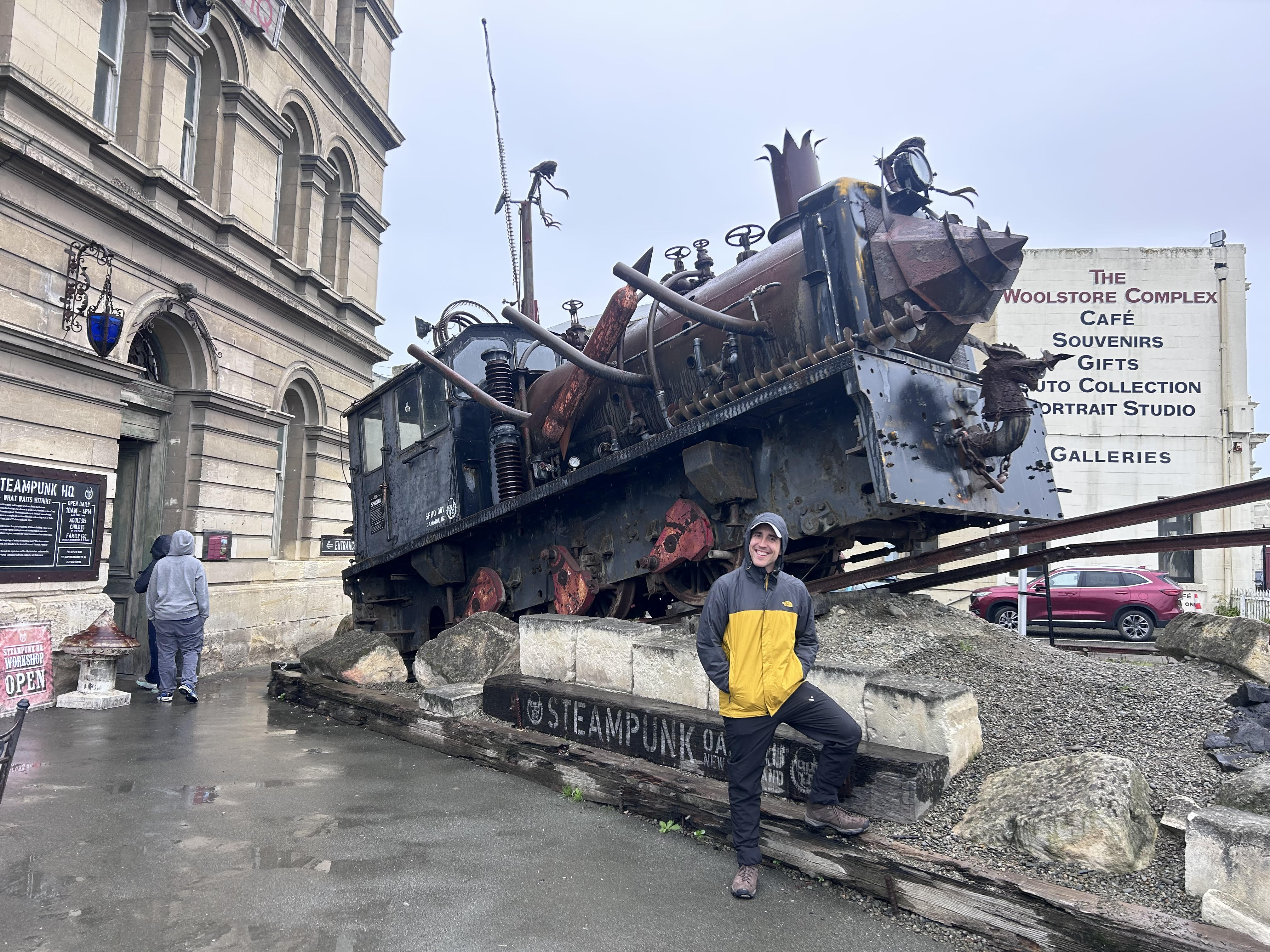
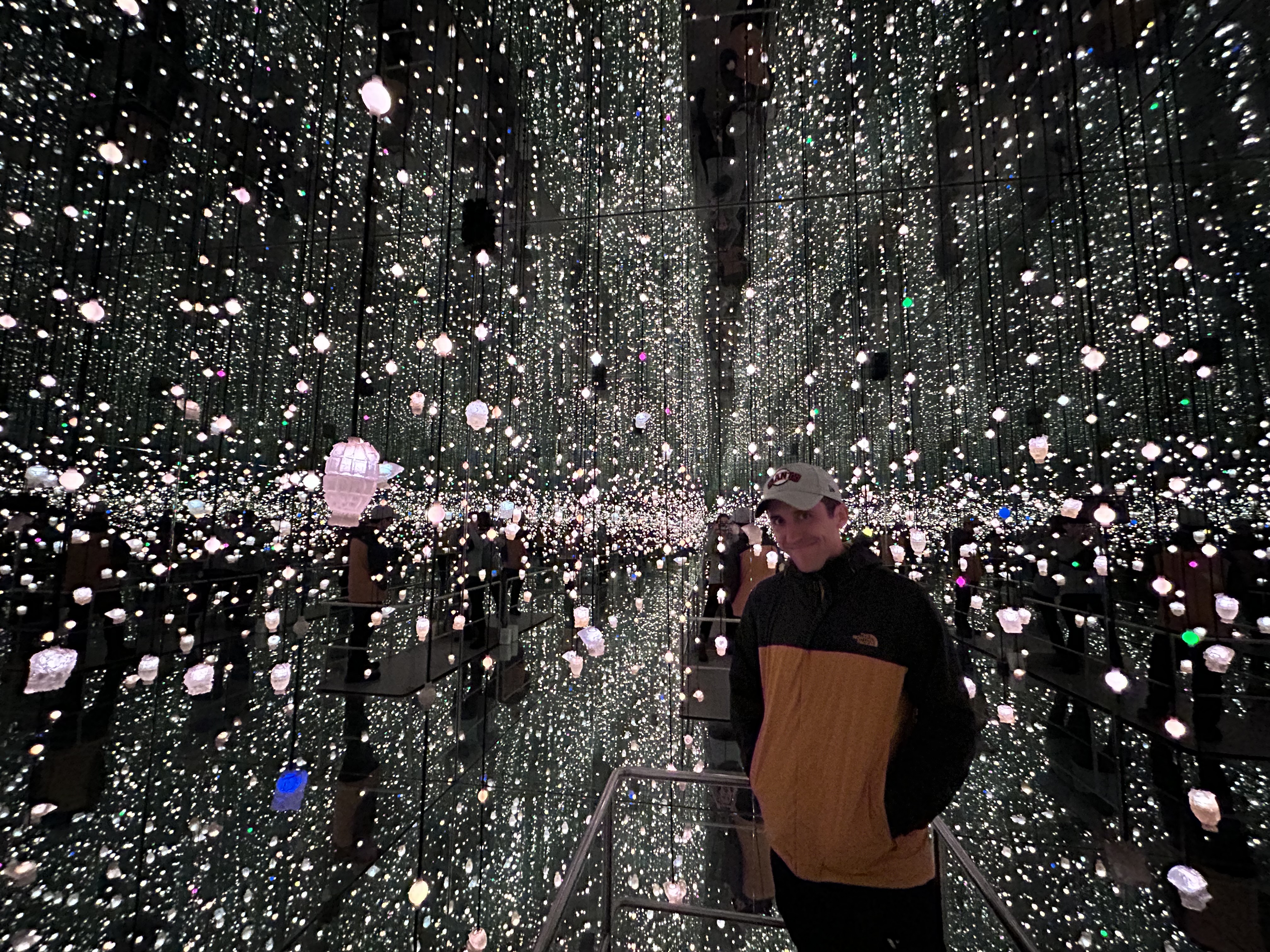
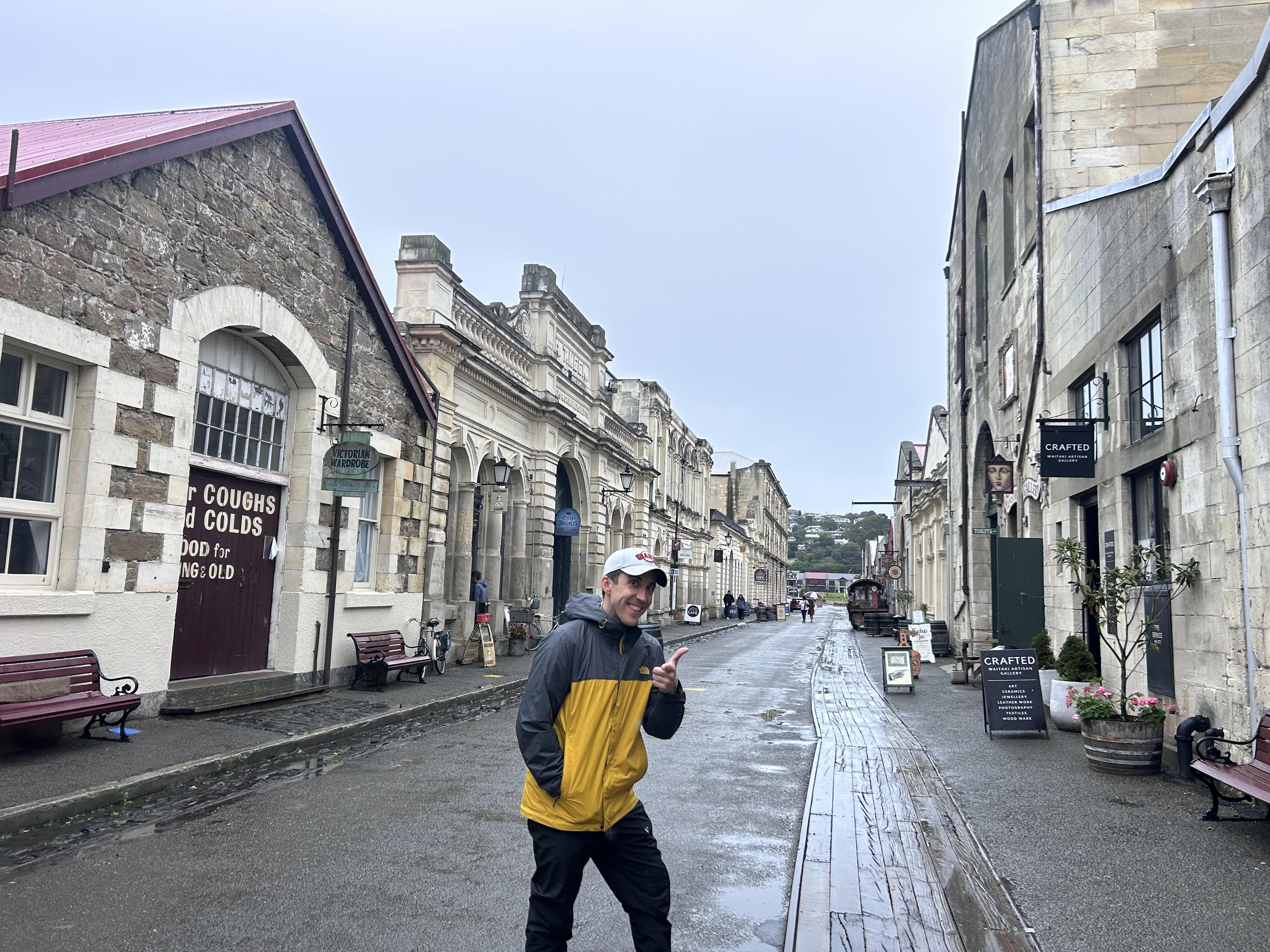
In Oamaru, known as the steampunk capital of New Zealand, we checked out the Steampunk HQ museum, which was “meh” aside from a couple installations (included below), and the larger Victorian Quarter, which was magnificent. In fact, I got so excited about all the Victorian-era crap I saw that I passed out and had to be resuscitated with some smelling salts.
As one of the internet’s top travel blogs, I would also be remiss if I didn’t provide some recommendations of the area I suppose. Slightly Foxed Secondhand Books was a real highlight for me, but so too was the Craftwork Brewery. We popped into both places during our spin through the town, and were quickly swept away by a romantic world of ornate cast iron, leatherbound books, rich wood and tasty treats and beer.
We also unexpectedly had an interesting conversation with a New Zealand woman in her early-60s who I ardently hoped might offer to adopt me as her son. She was thoughtful, intelligent and quite worldly. The main thing she wanted to ask us about was U.S. politics and the generally insane state of the country, particularly Trump’s threat at the time to kill an entire civilization. Unfortunately, I had no answers, insight or comfort to provide about this terrible place in which we find ourselves, and before long, we went our separate ways.
Oh, one final “must see” part of Oamaru would have to be a visit to the blue penguin colony. The city hosts a research center that does everything from tagging these itty-bitty penguins to preserving their habitats to rehabilitating injured birds. Best of all, the center also offers visitors the chance to watch as the colony comes home each night after hunting for food all day in the surrounding seas. I can’t tell you how cute it was to see those little nuggets waddle their way across the shore, dodging oafish-looking seals and finally making it safely into their nests. Neither can I emphasize how much my enjoyment was enhanced by the fact that the center didn’t allow people to have their stupid phones out and snappin’ during the penguins’ homecoming.
All in all, the penguin colony indicated, once again, how New Zealand’s commitment to conservation is not rhetorical but built into the fabric of many of its communities. A government can come in and say all it wants about gutting regulations and facilitating unfettered development. But it’s hard to imagine them successfully upending a culture where environmental stewardship is so ubiquitous, ingrained and intentional.
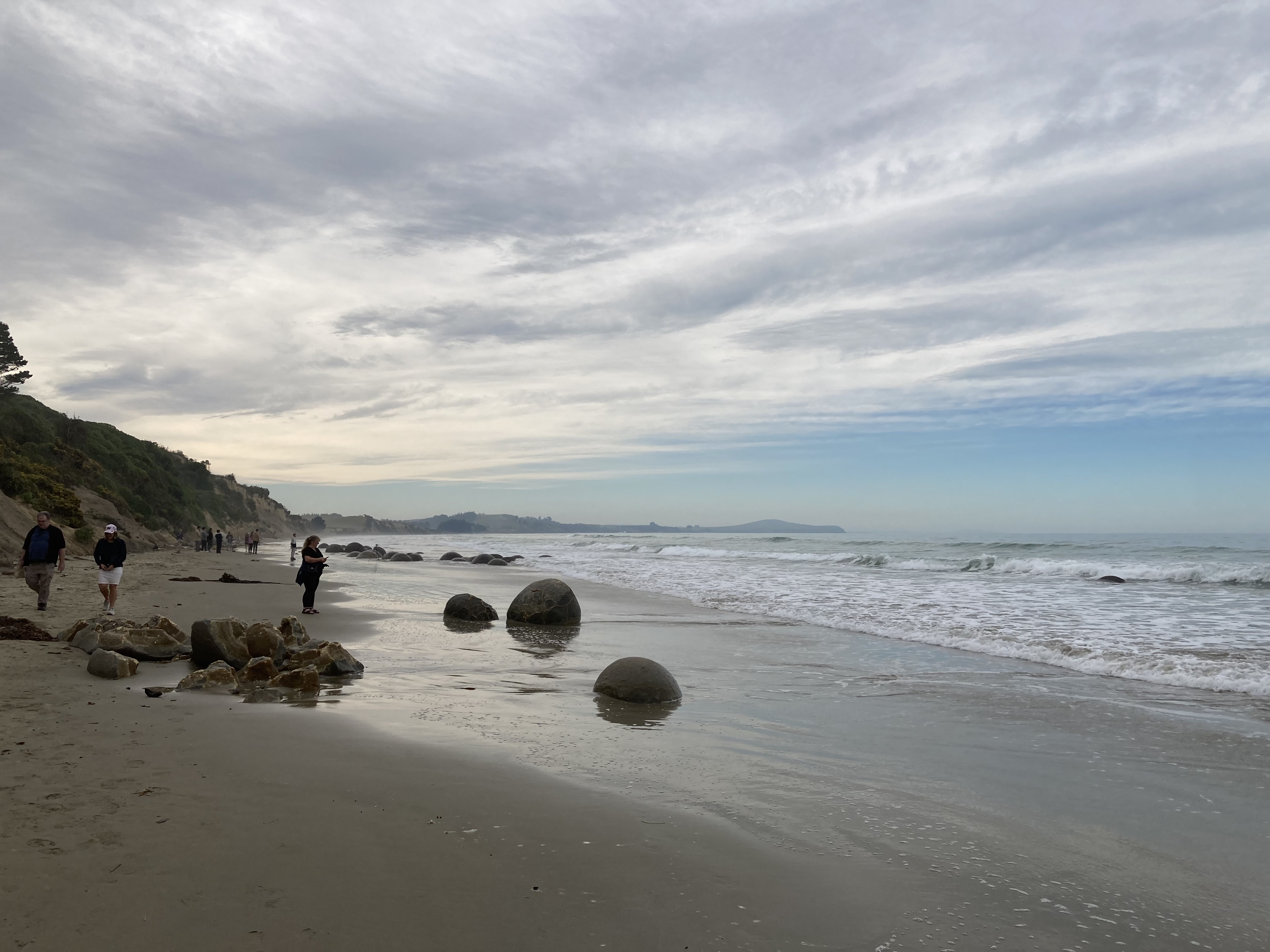
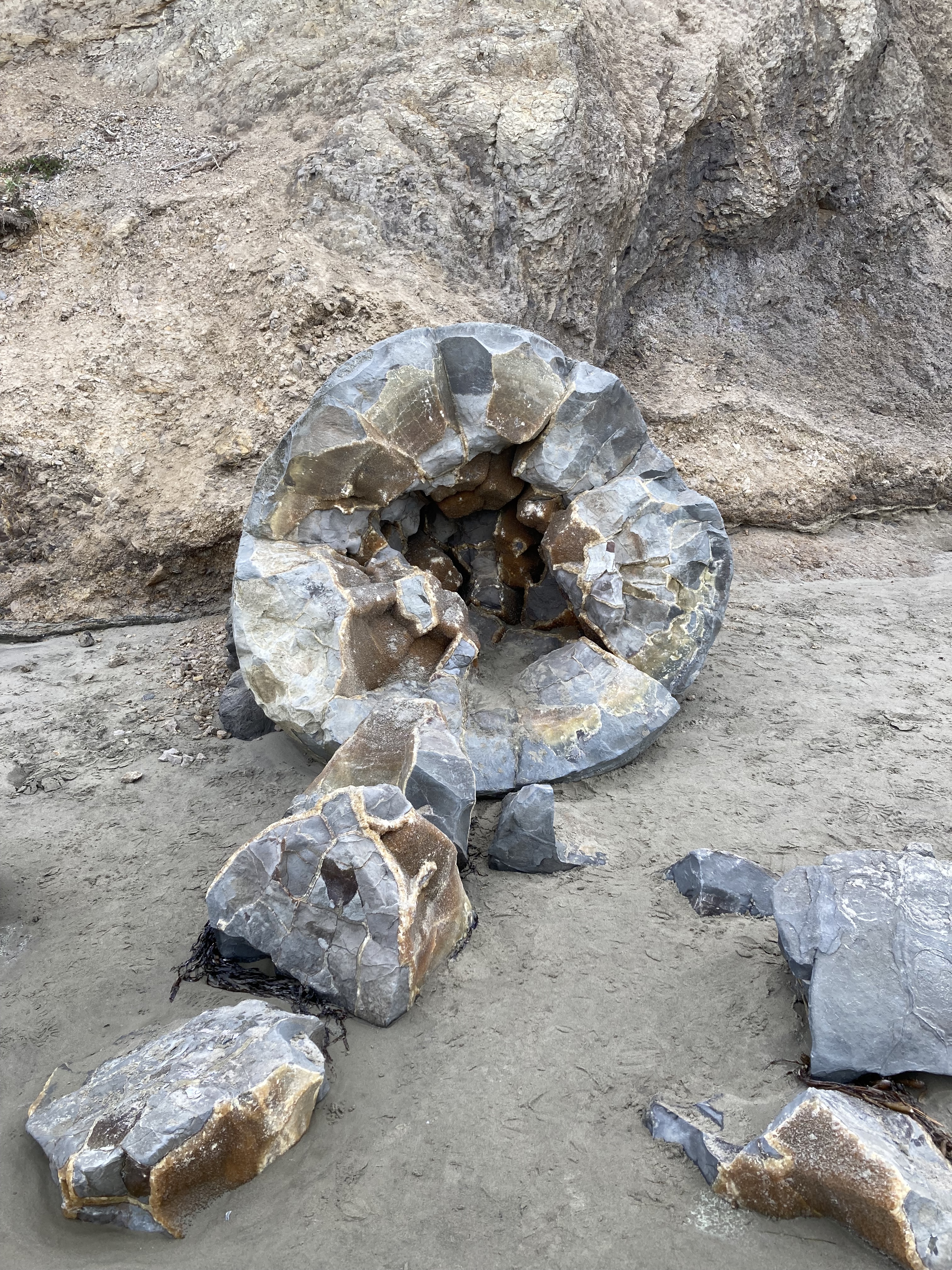
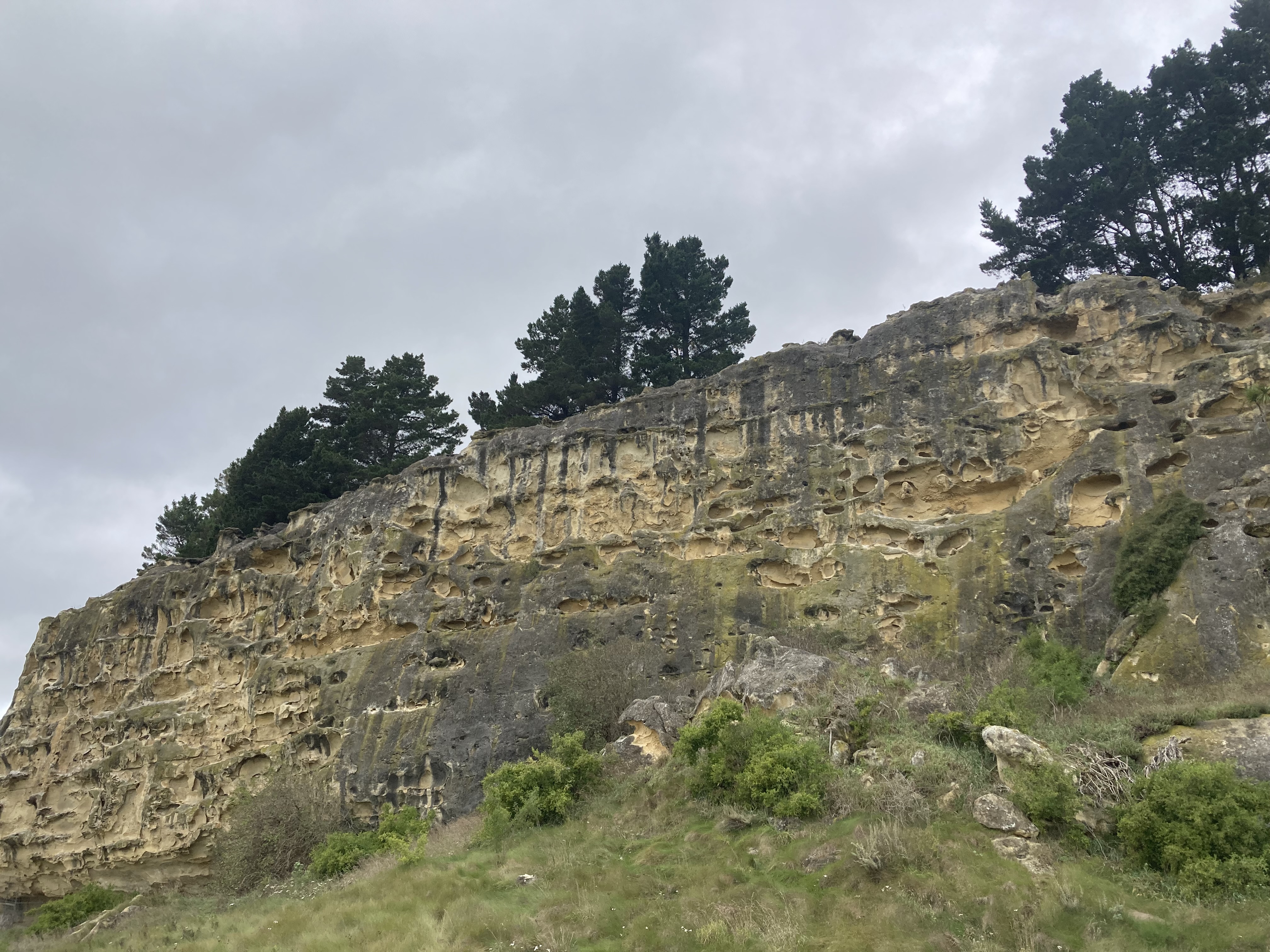
After Oamaru, time was running short before our flight to Australia. But even still, we managed to sneak in a few more sights and sounds before it was time to shove off. Further up the coast, we came across the Beach of the Moeraki Boulders, which included massive and unusually spherical boulders that had been exhumed from the mudstone by erosion. We next saw the Takiroa Māori Cave Art a bit further inland, which conveyed how much the human condition has changed over hundreds of years and also how little at the same time.
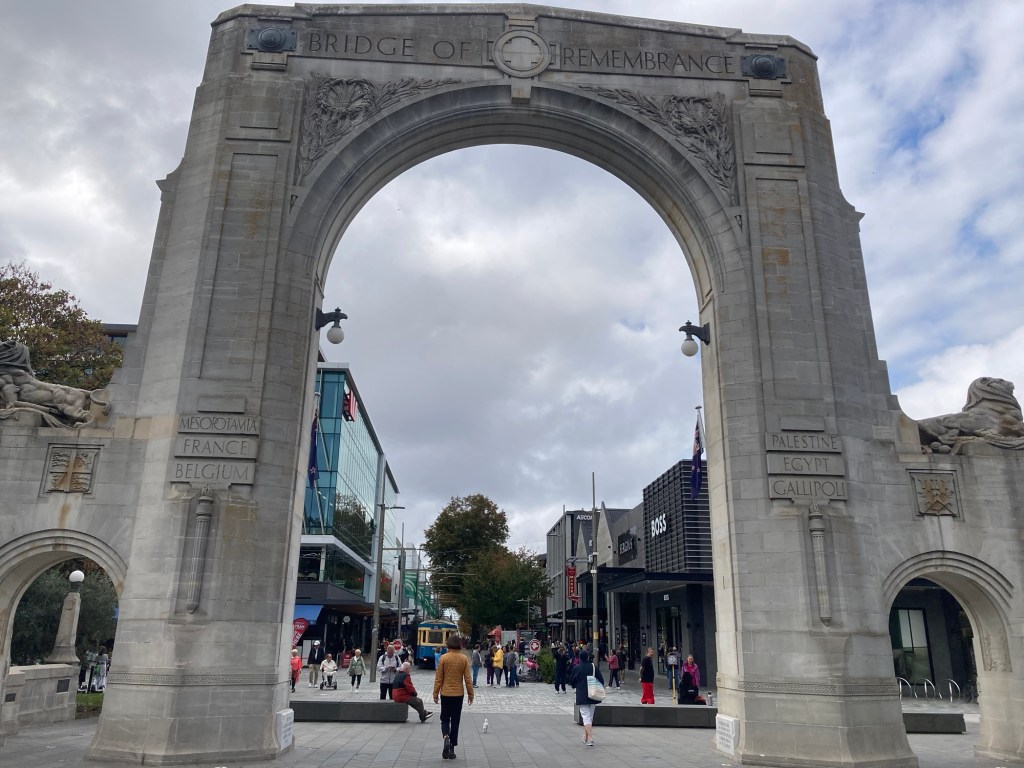
Inevitably though, we found ourselves in Christchurch, which had been described to us as sorta’ a boring place. Despite this, Adrienne and I found it quite charming. Although parts of it had been flattened by the 2011 earthquake, giving it some odd spatial layouts, the city today is still a very nice and walkable place. It features wonderful gardens, a great riverwalk and some truly marvelous restaurants and museums. Truth be told, I might even rank it as my favorite of the country’s major metros.
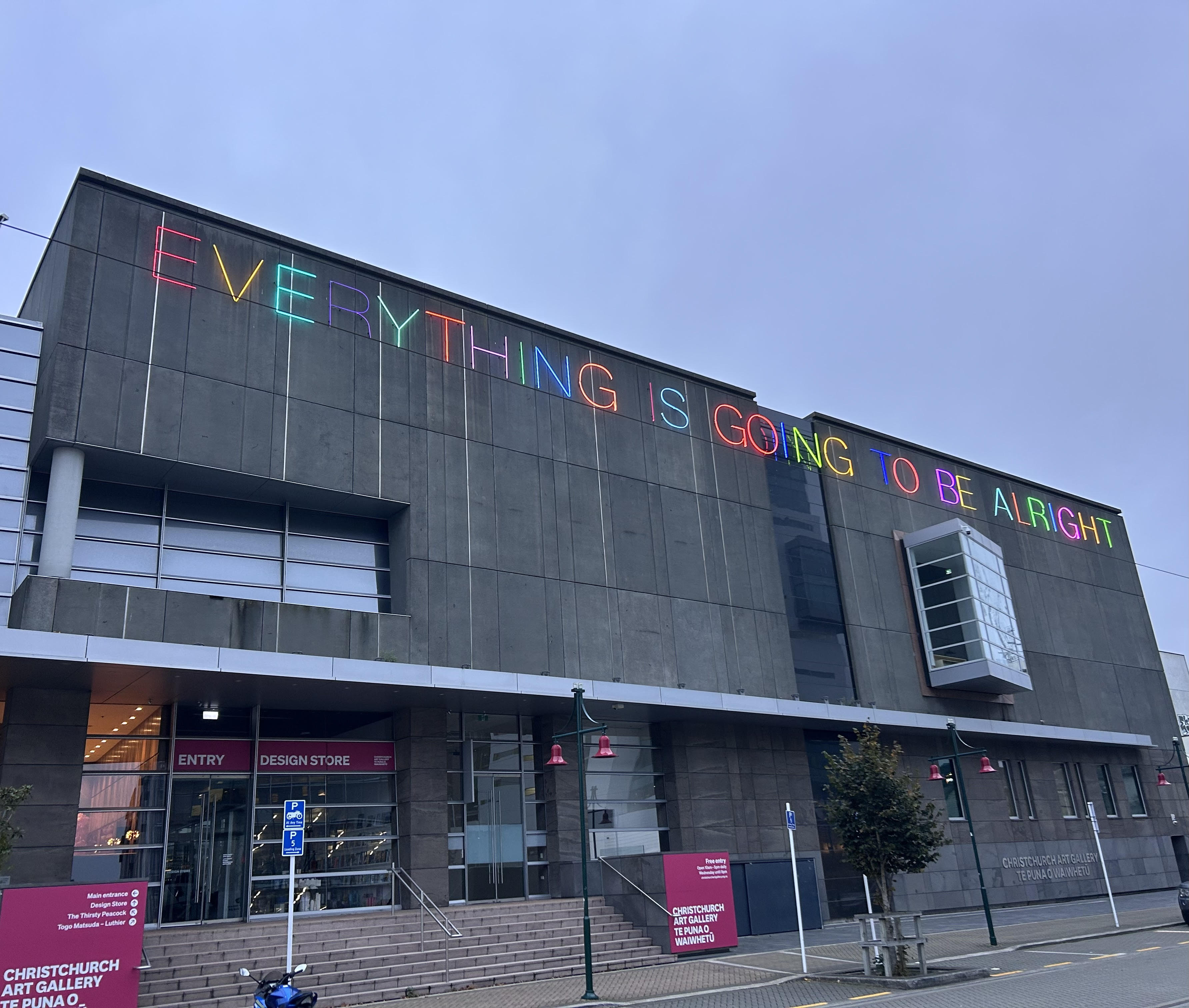
But the most important parts of my time in Christchurch was actually the very last thing we did, as it helped me form my final impression of the country itself. While waiting to go to the airport on our final day, we popped into the Christchurch Art Museum or Te Puna O Waiwhetu. While stumbling around in there, I came across a collection featuring work by New Zealand photographer Mark Adams.
Its curator called Adams one of the “few New Zealand artists who really analyzed his position as a member of a settler culture and contemplates in his work the settler culture’s evolving relationship with the indigenous Māori culture.” The included works did that, in part, by recontextualizing the voyages of the famous explorer James Cook, shifting them from how they are held up as “discoveries” in the imagination to what they were in reality: intrusions.
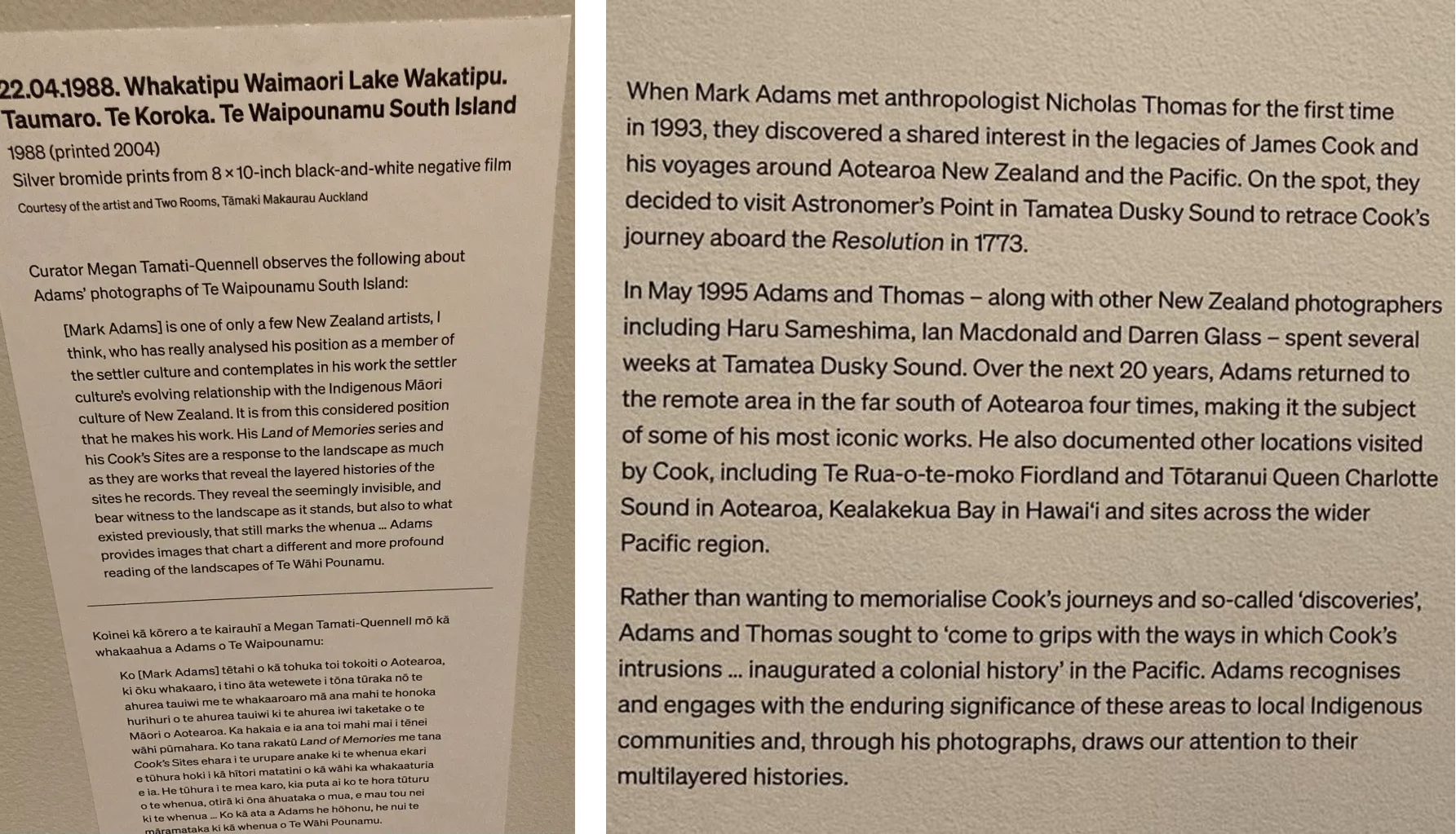
As much as I enjoyed his snaps, I must admit Adams’ work also filled me with some measure of dread and despair. After all, what hope can one have for Hegelian historical synthesis in New Zealand or anywhere else for that matter when there is no shared understanding of major historical events? Where a country can vehemently disagree as to what their own “founding” even was? In Half Nelson, Dan Dunne laments this loss of a shared reality in the context of America and the Iraq War. Despite ample evidence proving the Iraq definitively had no WMDs, he says, supporters of the war chose to believe they did anyway. It’s a heart-wrenching scene. You can see how the rise of the post-truth world (which, as we know, would only accelerate in the years to come) has exploded Dan’s belief in the value of Hegelian history.
Dan chooses to deal with these feelings, in addition to his crippling loneliness, with retreat. He self-medicates with drugs, escaping into a numbing and enervating alternate reality. Thankfully, the good people of New Zealand seemingly never have, and that’s what I will always remember about it. Like the rest of the West, the country may be mired in a short-circuiting dialectic. It may be stuck with right wing leaders committed, in part, to tearing apart the 20th century with destructive actions and fake promises. And maybe these forces will always be around in New Zealand, lying in wait to seize power and take the country backwards. Maybe they will always be lying in wait for all of us. But then I realized that so too will the opposing side. There will always be people like the workers of Rotoura Ziplines, the volunteers of Brook Waimārama, the scientists of Oamaru and artists like Mark Adams: kind-hearted, forward-looking folks advocating for and protecting all that’s decent and restorative and real.
And once again, we will leave it there, my chicklets. I would normally encourage you to “join us next time,” but the thing is, Adrienne and I are now already two countries on from New Zealand, in Laos actually, and my memories of all we’ve seen and done in Australia and Thailand are growing dark and fuzzy. Or at least, dark and fuzzy enough to make writing a blog about them more painful and difficult than it usually is (which is a lot).
Stellan Skarsgård once jovially exclaimed in one of my fave movies, Mamma Mia: Here We Go Again: “I’m a man in my fifties. Most days, I don’t remember my own name.” Well, I am not a man in my fifties. Yet I am nearly 4/5ths of the way there, and I have to admit that a general forgetfulness may have arrived prematurely. So, to put it another way, this time, we may TRULY be leaving it here. Who knows, though? Only time will tell. And as always, you can enjoy my other posts about cultural products that are at least two decades old.
Adrienne’s Addendum
While we were in Oamaru, my cousin Phillip died suddenly and unexpectedly. Adam and I talk about death and loss often and had discussed how we might change our plans if one of our loved ones at home became ill. But I couldn’t have predicted or prepared for my 46 year old cousin to die without warning. It’s hard to even write the word cousin as a description of Phillip and who he was in my life. I have a lot of cousins. Phillip is the son of my mom’s identical twin. He’s eleven years older than me and was in my life for as long as I can remember. He was a big brother to me and introduced me to everything that I deemed cool as a child – fireworks, Ace Ventura, Wu Tang Clan, Tom Green, MTV music videos, Sean Paul. I remember being thrilled to learn in science class in middle school that identical twins share the same DNA, so Phillip could technically be considered my half brother. I told all my friends about my half brother who was one of the top cross country runners in the country. I wore a red Corn Huskers windbreaker that he got as swag when he ran cross country for University of Nebraska in college. He lived with our family when I was around ten years old and I can still remember my specific comments that made him laugh at the dinner table, because I was so proud of the accomplishment. His laugh is incredible – contagious and joyful, and fills the whole room with warmth.
Ultimately it doesn’t matter what my relationship to Phillip was – all that matters is that he was here one day and now he’s not and he left a gaping hole, and no one knows for sure where he went or if he is ok. He left behind a partner, Joy, and three children: Jacoby, Sterling, and Vivienne.
One of my favorite recent memories of Phil is when Adam first met him in Chicago. We had spent the day with Joy and their children. Sterling, who was maybe 5 years old, was enjoying playing with Adam. When Phil walked in the door after coming home from work, Sterling dropped what he was doing and shouted incredulously to Adam, “that’s my DAD!” Sterling was so proud and excited to introduce his dad to Adam and I think that sums Phil up well. He brightened every room he was in and the people he loved were beaming with pride over just being connected to him.
It’s a unique and jarring experience to learn that a loved one has died while you’re on the other side of the world. I wouldn’t wish it on anyone. The world feels vast and larger than I can fathom, and my grief seems tiny in comparison to the oceans and continents between me and Chicago. The grief feels all-consuming but also insignificant, because everyone around you is living their life oblivious to your sorrow. The day after Phillip died, I went to a cafe for breakfast while Adam had his Russian lesson. I knew I needed to get out of our hotel room and be in the world. I cried through my breakfast and worried off and on that someone would notice and try to talk to me, but no one did. The people around me continued on with their lives as I hoped they would. We all love, we all lose, we all grieve. And we all die!
I share all of this because it feels important to acknowledge Phil as we move forward in our trip and the additional meaningful reminder that every day is sacred, even when it’s filled with discomfort and sorrow and moving through the world in a heavier way than you hoped. Though I can’t speak for Phillip and what he might want his message or legacy to be, I can honor the things that I know and love about him. Phil loved being a dad. I can’t think of anyone who was more meant to be a father than him. He loved his children and his wife and he loved the life he had built with them in Chicago. He was proud of his kids and who they are becoming, and he was proud of himself and Joy for the way they intentionally and thoughtfully parented. When I was getting my teaching degree, I had to observe parents interacting with their children and write a paper on the dynamics. I observed Phil and Joy as they played with Jacoby and Sterling, and I remember writing about how much love and laughter were present in the way they engaged with their kids.
Phil loved showing up for people. I could always count on a text from Phil to celebrate the good and offer support during the bad. He expressed enthusiasm and excitement for our sabbatical and I’m sad that I can’t send him pictures or tell him when I’m thinking of him. Phil loved life and the times when he was upset or angry are few and far between. I’m going to try to carry his buoyancy with me and his kindness. I’m going to remember as much as I can that nothing is guaranteed in this life and continue to find things in life that bring me purpose outside of myself. I’m going to keep doing things that I think would elicit Phil’s whooping, joyous laugh and, if I’m lucky, I’ll continue to hear it when I think of him.
Read Phil’s full obituary here: Phillip Ethan Davis Obituary April 3, 2026 – Anello Funeral & Cremation Services, P.C.
____________________
- https://www.abc.net.au/news/2024-09-19/new-zealand-unwinding-maori-rights-treaty-of-waitangi/104364638
- https://www.theguardian.com/world/2025/aug/04/new-zealand-to-charge-foreign-tourists-to-visit-most-famous-sites
- https://www.theguardian.com/world/2024/dec/18/new-zealand-mining-bill-fast-track-approvals-legislation
- https://www.forestandbird.org.nz/resources/once-public-conservation-land-gone-its-gone-undoing-generations-protection
- https://www.reuters.com/world/asia-pacific/new-zealands-budget-cuts-punish-public-sector-business-workers-2025-05-20/
- https://www.reuters.com/world/asia-pacific/new-zealand-2025-spending-budget-shrinks-economic-growth-slows-2025-04-28/
- New Zealand: Political Developments and Data in 2024 – BARKER – 2025 – European Journal of Political Research Political Data Yearbook – Wiley Online Library

